
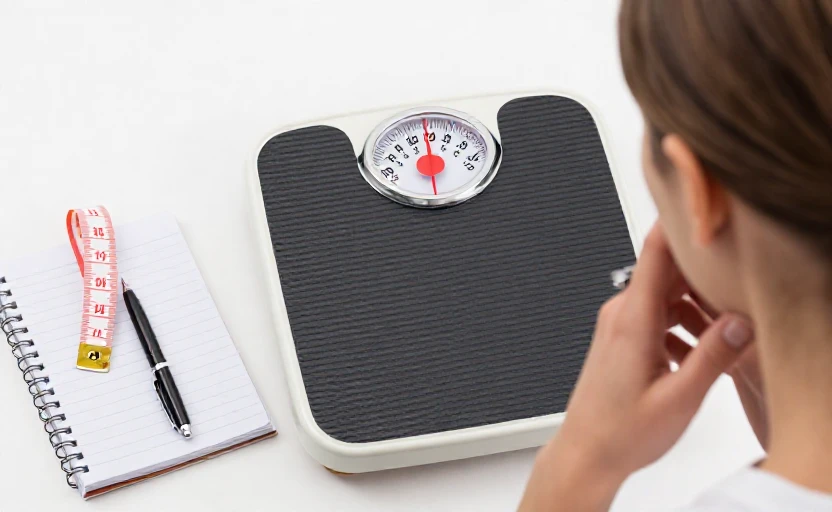
You’ve been diligent. You’re eating less, moving more, and the scale was rewarding your efforts—until it wasn’t. The sudden, stubborn halt of a weight loss plateau is one of the most frustrating experiences on a health journey. It can feel like a personal failure, but more often, it’s a signal. Your body is adapting, and your initial approach may need a subtle, informed recalibration.
At its core, sustained weight loss requires a consistent calorie deficit—burning more energy than you consume. When progress stalls, it’s usually because that deficit has quietly closed. The culprit is rarely a single, glaring error, but a combination of small, almost invisible shifts that add up. Let’s move past the frustration and examine three of the most common, yet overlooked, pitfalls that can sabotage your calorie deficit.
Pitfall 1: The Creep of Unaccounted Calories
This is the stealthiest plateau cause. In the beginning, you might have measured oil, weighed portions, and logged every bite. As habits solidify, it’s human nature to become less meticulous. A “little extra” dressing, a handful of nuts while making dinner, a second spoonful of peanut butter—these untracked bites are dense with calories and can effortlessly erase a daily deficit of 200-300 calories.
Condiments, cooking oils, beverages, and casual tasting while cooking are the most frequent sources of calorie creep.
It’s not about returning to a life of obsessive weighing forever. Instead, consider a periodic “reality check” week. Re-measure your standard portions of staples like pasta, rice, oil, and nut butters. You might find your visual estimate has gradually expanded. This isn’t a failing; it’s a normal process called “portion drift.” A brief reset can re-align your eyes and your intake.
Pitfall 2: Your Body’s Adaptive Metabolism
This pitfall is a testament to your body’s brilliant, if inconvenient, survival mechanisms. As you lose weight, your body requires less energy to function. You’re simply moving less mass around. This is called adaptive thermogenesis—your metabolism becomes more efficient, burning fewer calories to perform the same tasks.
Furthermore, the same workout that once burned 400 calories may now burn only 350, because it’s physically easier for your lighter body. You might also subconsciously move less throughout the day, taking fewer steps or fidgeting less, a phenomenon known as Non-Exercise Activity Thermogenesis (NEAT) reduction. This metabolic adaptation is a primary reason why weight loss slows naturally and why extremely low-calorie diets are counterproductive—they signal your body to conserve energy even more aggressively.
How to work with your metabolism, not against it
- Reassess your calorie needs: Use an online calculator to find your new maintenance calories for your current weight, not your starting weight, and create a modest deficit from there.
- Prioritize protein and strength: Incorporating resistance training helps preserve metabolically active muscle mass, which supports a healthier resting metabolic rate.
- Embrace diet breaks: Periodically eating at your new maintenance calories for a week or two can help mitigate metabolic adaptation and provide a psychological reset.
Pitfall 3: Misplaced Focus on Scale Weight Alone
The scale measures total gravitational pull, not just fat. It cannot distinguish between water, muscle, glycogen, digestive contents, and body fat. Relying on it as your sole metric sets you up for confusion and discouragement.
Increased water retention is a major plateau-mimicker. It can be caused by factors completely unrelated to fat loss:
- A higher sodium meal
- Increased carbohydrate intake replenishing muscle glycogen (which binds water)
- Hormonal fluctuations during the menstrual cycle
- Intense exercise causing muscle inflammation
- Even inadequate sleep or elevated stress
Meanwhile, you could be losing fat and gaining muscle, a fantastic recomposition that improves health and appearance but shows as a static number on the scale. When you fixate on that number, you risk making rash decisions, like cutting calories too low, that undermine long-term success.
Breaking a plateau requires a shift from sheer effort to strategic patience. Start by compassionately auditing these three areas. Could hidden calories have slipped in? Has your metabolism adapted, requiring a new calorie target? Are non-scale victories—like better-fitting clothes, increased energy, or improved strength—telling a more positive story than the scale?
Often, the solution isn’t doing more, but adjusting what you’re already doing. It might be a slight portion recalibration, a modest increase in daily movement, or a focus on sleep and stress management to support your hormonal balance. Progress is rarely a straight line. Viewing a plateau as informative feedback, rather than a wall, is the first step to moving past it.