Snacking often gets a bad reputation in weight loss conversations, framed as a moment of weakness or a detour from our goals. But what if we reframed it? A well-chosen snack isn't sabotage; it's a strategic tool. It can steady your energy, prevent the ravenous hunger that leads to overeating at your next meal, and provide essential nutrients your body needs to function well, even in a calorie deficit. The key isn't to eliminate snacks, but to choose them with intention—turning a potential pitfall into a powerful part of your plan.
This approach moves away from restriction and toward nourishment. It’s about selecting foods that satisfy both your hunger and your nutritional needs, keeping you feeling full and focused, not deprived. Let's explore five smart snack categories designed to support your goals, not undermine them.
What Makes a Snack "Smart" for Weight Loss?
Before we list specific foods, it helps to understand the framework. A snack that supports a calorie deficit typically has one or more of these qualities: it's high in protein, rich in fiber, contains healthy fats, or has a high water content. These nutrients promote satiety—the feeling of fullness and satisfaction that lasts. They slow digestion, help regulate blood sugar levels, and require more energy for your body to process. In contrast, snacks high in refined sugars and simple carbs can cause a quick spike and crash in energy and hunger, making it harder to stick to your calorie goals.
Think of your snack as a small bridge between meals, built to keep you steady, not to collapse halfway across.
1. The Protein Pairing
Protein is a satiety superstar. It triggers the release of hormones that signal fullness to your brain and has a high thermic effect, meaning your body burns more calories digesting it. A snack built around protein can keep hunger at bay for hours.
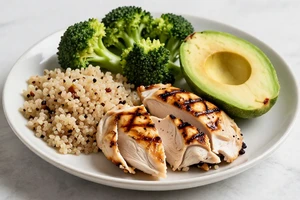
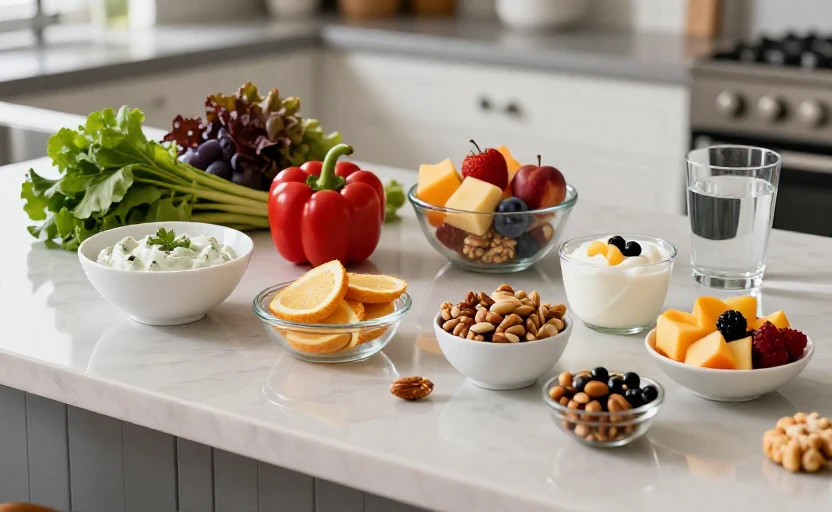
Instead of a plain handful of nuts, try pairing a modest portion with another element. This creates a more balanced, satisfying experience. Think a single hard-boiled egg, a few slices of turkey or chicken breast, a small cup of Greek yogurt, or a quarter-cup of cottage cheese. You can combine these with a fiber-rich vegetable like cucumber slices or bell pepper strips. The protein provides staying power, while the veggie adds volume and crunch with minimal calories.
2. The Fiber-Filled Volume Snack
Sometimes, we just want to eat something substantial. Volume eating focuses on choosing foods that are low in calorie density—meaning you can eat a larger, more visually satisfying portion for fewer calories. This is where non-starchy vegetables truly shine.
Create a colorful plate of raw vegetables like cherry tomatoes, snap peas, broccoli florets, and carrots. For more flavor, pair them with a couple of tablespoons of a protein-based dip like hummus, tzatziki, or a black bean dip. The fiber and water in the vegetables fill your stomach, and the dip adds a creamy texture and a bit of protein to enhance satisfaction. A big bowl of air-popped popcorn (skip the heavy butter) is another fantastic high-volume, whole-grain option that lets you munch mindfully.
A Quick Note on Mindful Eating
Even with the smartest choices, eating straight from the bag while distracted can lead to consuming more than you intended. Take a moment to portion your snack onto a plate or into a bowl. Sit down, if you can, and pay attention to the flavors and textures. This simple practice helps you recognize your body's signals and truly enjoy your food.
3. The Healthy Fat & Fiber Combo
Healthy fats, like those found in avocados, nuts, and seeds, are digested slowly and help you absorb fat-soluble vitamins. When combined with fiber, they create a powerful duo for sustained energy. The key here is portion awareness, as fats are calorie-dense.
A great example is half a small avocado sprinkled with everything bagel seasoning or a pinch of salt. You could also try a small handful of almonds (about 23 almonds) with a piece of whole fruit, like an apple or pear. The fat and fiber from the nuts work with the natural sugars and fiber in the fruit to provide a steady release of energy. A tablespoon of natural peanut or almond butter on celery sticks is another classic, satisfying combo.
4. The Hydration Helper
Thirst is often mistaken for hunger. Sometimes, what feels like a snack craving is actually your body asking for fluids. Starting with hydration is always a smart first step. Beyond plain water, you can choose snacks with very high water content to help fill you up.
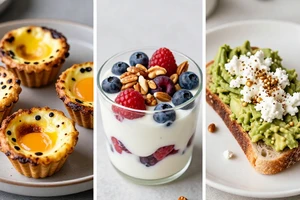
Fresh fruits like watermelon, cantaloupe, strawberries, and oranges are over 90% water. A bowl of berries with a dollop of Greek yogurt combines hydration, fiber, and protein. Chilled cucumber or watermelon slices with a tiny sprinkle of feta or lime juice feel refreshing and decadent without many calories. Herbal tea or a glass of sparkling water can also curb the urge to nibble when you're not truly hungry.
5. The Planned "Treat"
Rigid deprivation rarely works long-term. Including a snack that feels like a treat—planned for and accounted for within your day's calories—can prevent feelings of restriction that might lead to a binge later. The goal is to make it a conscious choice, not an impulsive one.
This could be a small square of dark chocolate (70% cacao or higher), a single-serving container of lower-sugar pudding, or a frozen banana blended until creamy. The idea is to choose a single-serving option that truly satisfies your craving, enjoy it fully, and then move on. This maintains balance and keeps your overall eating pattern sustainable.
Building a calorie deficit doesn't mean your days are devoid of enjoyable eating moments between meals. By focusing on snacks that bring protein, fiber, healthy fats, and water to the table, you support your body's needs and your psychological satisfaction. It turns snacking from a guessing game into a confident, strategic part of reaching your wellness goals.