You have likely heard the advice: skip dinner, drop pounds. The logic feels simple—cut an entire meal and you cut calories. But as three registered dietitians explain, dinner is not the enemy, and skipping it often backfires in ways that work against lasting weight loss.
The body does not treat a missed meal the way a calculator does. When you skip dinner, your metabolism shifts, hunger hormones surge later in the evening, and what starts as a decision to lose weight can turn into a cycle of overeating, poor sleep, and stalled progress.
What Happens in Your Body When You Skip Dinner
Your body runs on a circadian rhythm, and that rhythm expects fuel at certain times. Skipping dinner creates a prolonged fasting window that can spike cortisol—your stress hormone—and drop blood sugar low enough to trigger intense cravings by late evening. The result? You may find yourself raiding the pantry at 9 p.m. and eating more total calories than you would have during a balanced dinner.
“The biggest problem I see is the rebound effect,” says one dietitian who contributed to the article. “Clients will skip dinner, feel starving, and then eat 800 to 1,000 calories of snack food before bed—often without any protein or fiber to signal fullness.”
Bottom line: Skipping dinner often leads to a net calorie gain, not a loss.
The Sleep and Metabolism Connection
Dinner is not just about calories—it is also about sleep quality. Going to bed hungry can make it harder to fall asleep and stay asleep. Poor sleep, in turn, reduces the hormone leptin (which tells you that you are full) and increases ghrelin (which makes you feel hungry). A bad night’s sleep also lowers your resting metabolic rate the next day.
“You cannot outsmart your biology,” a second dietitian notes. “When you are sleep-deprived and hungry, your brain seeks high-energy foods, and your willpower is at its lowest. That is the perfect storm for a weight-loss derailment.”
What Dietitians Recommend Instead
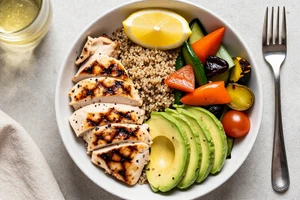
The alternative is not complicated: eat a satisfying dinner that emphasizes protein, vegetables, and healthy fats. By doing so, you stabilize your blood sugar overnight, support muscle repair during sleep, and wake up with a balanced appetite rather than ravenous hunger.
Here is how the dietitians suggest structuring dinner for weight loss, without deprivation:
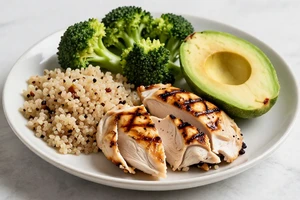
- Include 20 to 30 grams of protein (chicken, fish, tofu, beans, or Greek yogurt) to support satiety and metabolic rate.
- Fill half your plate with non-starchy vegetables for volume and fiber.
- Add a small serving of complex carbs (quinoa, sweet potato, or lentils) for sustained energy and better sleep.
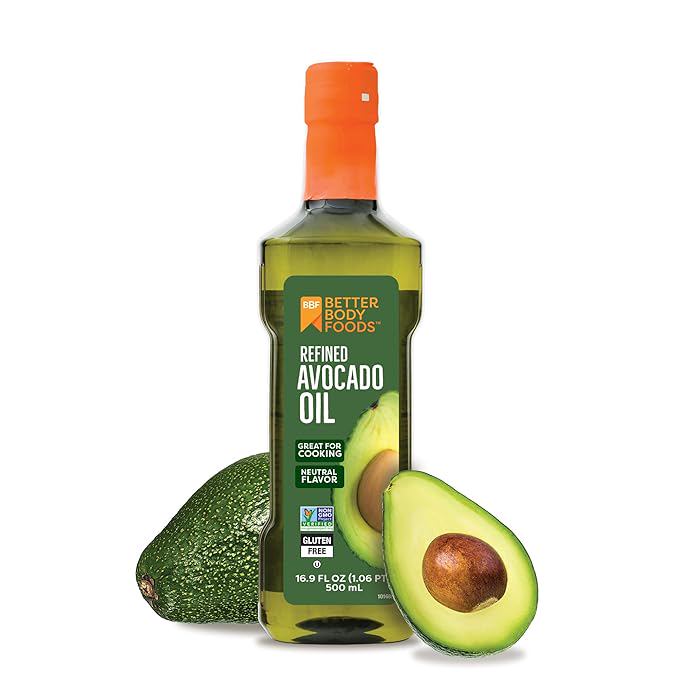
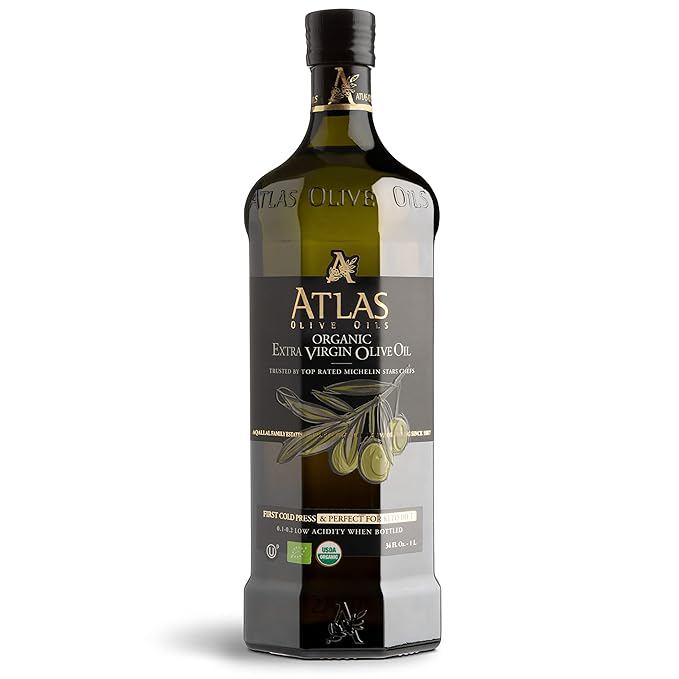
- Include a source of healthy fat (avocado, olive oil, nuts) to slow digestion and keep you satisfied.
A third dietitian sums it up: “If your goal is weight loss, the best move is to eat dinner—thoughtfully. That single habit stabilizes your entire next day.”
When Skipping Dinner Could Make Sense in a Controlled Way
There are situations where a very early dinner or intentional intermittent fasting window may be helpful—but the experts caution that skipping dinner entirely is almost never a sustainable strategy. Time-restricted eating (often called intermittent fasting) can work for some people, but the key is that it needs to be a consistent pattern, not an impulsive skip. And even then, the food you do eat during your eating window must be nutrient-dense.
If you are curious about a shorter eating window, the dietitians recommend starting with a 12-hour overnight fast (e.g., 7 p.m. to 7 a.m.) rather than skipping dinner altogether. That approach allows your body to rest without triggering hunger-driven rebound eating.
Common Questions People Ask About Dinner and Weight Loss
Will skipping dinner help me lose weight faster?
In the very short term, yes—you may see a lower number on the scale due to water loss and an empty stomach. But this rarely translates to sustained fat loss. Over weeks, the metabolic adaptations and rebound eating cancel out the initial drop.
Does eating late at night automatically cause weight gain?
No. What matters more is what and how much you eat, not the exact hour on the clock. A balanced dinner at 8 p.m. is far healthier for weight management than skipping dinner and then bingeing on chips at 10 p.m.
Can I do intermittent fasting by skipping dinner instead of breakfast?
Some people do, but the dietitians note that skipping dinner is harder to sustain for most because of the social and behavioral impact of evening eating. They generally find that skipping breakfast (a longer overnight fast) works better for consistency.
What is the best dinner to eat for weight loss?
A plate that combines lean protein, vegetables, and a moderate portion of complex carbohydrates, cooked with minimal added oil or sugar. The goal is to feel satisfied, not stuffed.
The information in this article is for general health education only and does not replace medical advice. Always consult a qualified healthcare provider for personalized recommendations.