

How coronary artery disease is diagnosed: a practical explainer for patients
Learn the step-by-step process for diagnosing coronary artery disease (CAD), from initial symptoms and risk assessment to non-invasive tests and angiography.
We found 5533 results for "". Here are the most relevant articles:
Learn the step-by-step process for diagnosing coronary artery disease (CAD), from initial symptoms and risk assessment to non-invasive tests and angiography.

Learn two evidence-based exercises—aerobic training and resistance work—that directly support coronary artery health. Includes a weekly blueprint and safety tips for people with heart concerns.
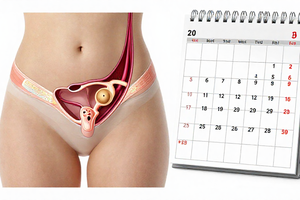
Learn to spot two ovarian cyst symptoms—one-sided pelvic ache and abdominal bloating—that are easy to confuse with normal period cramps. Know when to see a doctor.

After stopping birth control, watch for these 5 ovarian cyst warning signs: pelvic pain, cycle changes, bloating, pain during sex, and sudden nausea. Know when to see a doctor.

What experts recommend for breaking the cycle of workplace financial worry: practical strategies, structured worrying, micro-buffers, and when to talk to a manager.

Financial anxiety can cause real physical symptoms at work—tight chest, headaches, stomach issues, and fatigue. Learn to recognize and ease them.
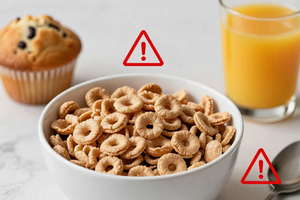
Discover 5 common high-carb breakfasts that can spike blood sugar and learn practical swaps for better morning glucose control.
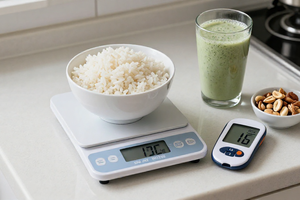
The most common carb counting mistake isn't about bread or pasta. Learn which 3 portions quietly spike glucose and how to manage them for steadier blood sugar.

Learn 7 subtle post-meal warning signs of rising blood sugar — brain fog, rebound hunger, blurry vision, fatigue, thirst, mood shifts, and sweet taste. No medical jargon.

Dairy-free desserts can turn gummy, icy, or bland. Learn the 5 habits that sabotage texture and flavor — and how to fix each one with simple swaps.





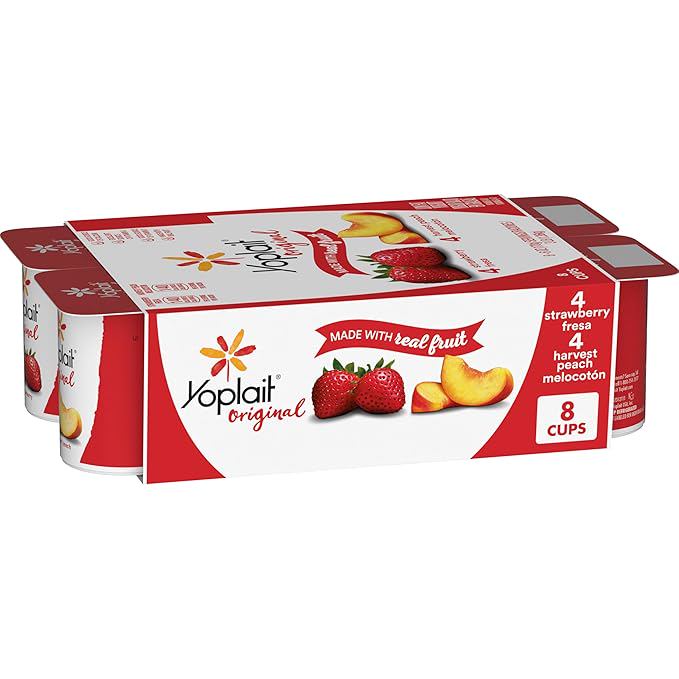
Yoplait Original Low Fat Yogurt Variety Pack, Strawberry and Harvest Peach, Made with Real Fruit, 8 Yogurt Cups, 48 oz
Check it out