Many women experience period pain that they brush off as just another part of the monthly cycle. But when that cramping is severe or comes with other symptoms, it could signal something more than a typical period—specifically, an ovarian cyst. Two of the most common signs of ovarian cysts are often dismissed as normal menstrual cramps: a dull ache in the lower back or pelvis, and bloating or pressure in the abdomen. Knowing the difference can help you decide when to check in with a healthcare provider.
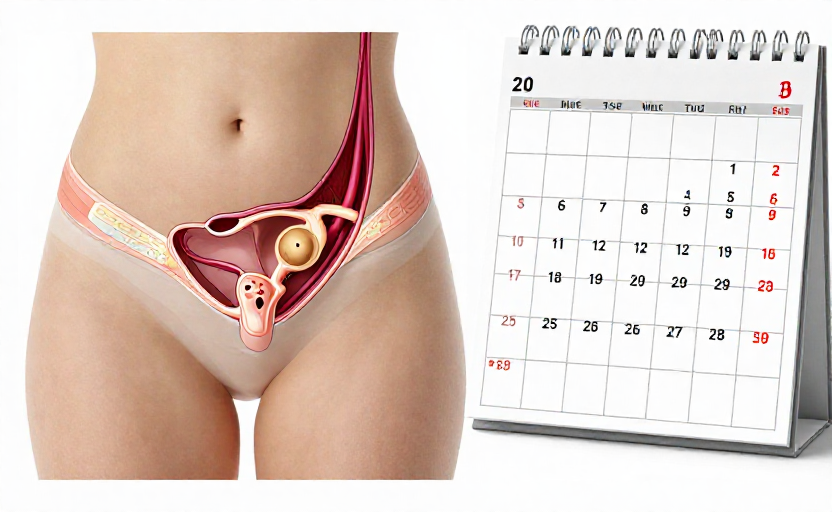
An ovarian cyst is a fluid-filled sac that forms on or inside the ovary. While many cysts are harmless and go away on their own, larger cysts—or those that rupture—can cause noticeable discomfort that feels like a bad period cramp but doesn’t go away with standard relief measures. One key distinction is location and timing. Cysts often produce a steady, nagging pain on one side of the lower abdomen, whereas typical uterine cramps feel more centered and wave-like. If the pain lingers between periods or worsens during certain activities, it’s worth noting.
What Does Ovarian Cyst Pain Actually Feel Like?
Instead of the diffuse, gripping sensation of menstrual cramps, many women describe ovarian cyst pain as a sharp or dull ache that stays in one spot—usually on the right or left side of the pelvis. It may radiate to the lower back or thighs. Some people notice it most when they’re bending over, having a bowel movement, or during intercourse. The discomfort can be constant for hours or even days, not just the intermittent cramping you might expect during menstruation.
“A constant, one-sided ache that doesn’t respond to your usual period management deserves a second look.”
Bloating and Abdominal Pressure That Feels Like Period Bloat
Second on the list of easily mistaken symptoms is abdominal fullness. Nearly everyone feels a bit bloated before or during their period. But with an ovarian cyst, the sensation can be more pronounced. You might feel heavy or full on one side, notice that your clothes fit differently at the waist, or experience a sense of pressure—like something is pushing from the inside. This happens when a cyst grows large enough to press against the bladder or bowel. Bloating that seems out of proportion to your typical cycle, or that appears in the middle of your cycle rather than just before your period, is a red flag to pay attention to.
When to Seek Medical Advice
Most ovarian cysts are benign and resolve without treatment. However, if you experience sudden, severe abdominal pain, pain accompanied by nausea and vomiting, fever, faintness, or rapid breathing, you should see a doctor immediately. These could be signs of a ruptured cyst or ovarian torsion, a condition that cuts off blood supply to the ovary. For less acute but persistent symptoms, a pelvic exam and ultrasound can help clarify whether a cyst is present and whether it needs monitoring or intervention.
While the source article referenced a celebrity speaking about endometriosis—a related but distinct condition—endometriosis often involves cysts called endometriomas, and the symptoms overlap. But the core warning stands: any pelvic pain that feels different from your normal pattern, or that lasts beyond your period, should not be ignored. Your body is giving you signals, and the first step is simply paying attention.
This information is for educational purposes only and does not replace personalized medical advice. Always consult a healthcare provider for concerns about your reproductive health.