
If your doctor has mentioned the possibility of coronary artery disease (CAD), you might be feeling a mix of concern and confusion. The diagnostic process can seem overwhelming, but understanding what to expect can help you feel more in control. Coronary artery disease develops when plaque builds up inside the coronary arteries, narrowing them and reducing blood flow to the heart muscle. For many patients, the journey from symptoms to a clear diagnosis involves several stages—each designed to gather specific information without jumping to conclusions.
The goal of this explainer is to walk you through the typical diagnostic pathway, from the first conversation in your doctor's office to the more advanced tests that can confirm or rule out CAD. No two cases are exactly alike, but most patients will encounter a similar sequence of evaluations.
Starting with symptoms and risk factors
The first step is almost always a detailed conversation. Your doctor will ask about any symptoms you've been having—chest discomfort, shortness of breath, fatigue, or pain in the neck, jaw, shoulder, or arm—especially if they occur during physical exertion or stress. But they will also dig into your personal and family medical history, looking for factors that increase your risk: smoking, high blood pressure, high cholesterol, diabetes, obesity, a sedentary lifestyle, or a family history of early heart disease.
This is not a formality. The pattern of symptoms combined with your risk profile helps your doctor decide how urgently to proceed and which initial tests are most appropriate. A patient with classic angina and multiple risk factors will be managed differently than someone with vague symptoms and no major risk factors.
Physical exam and basic labs
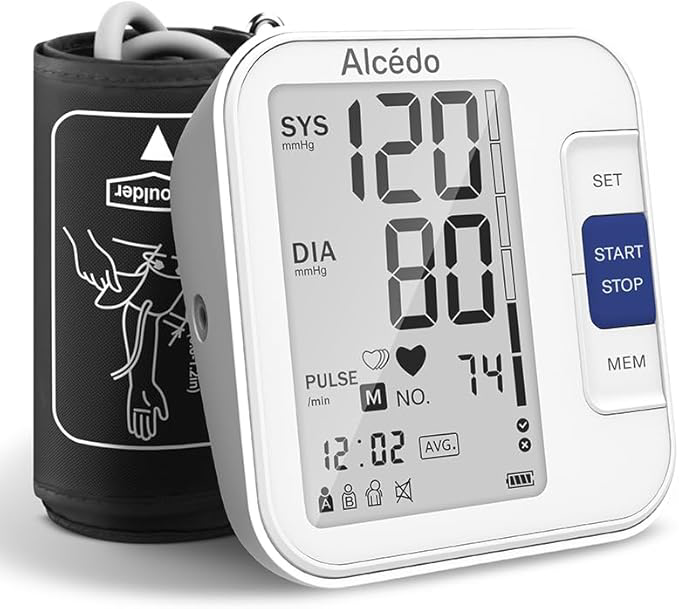
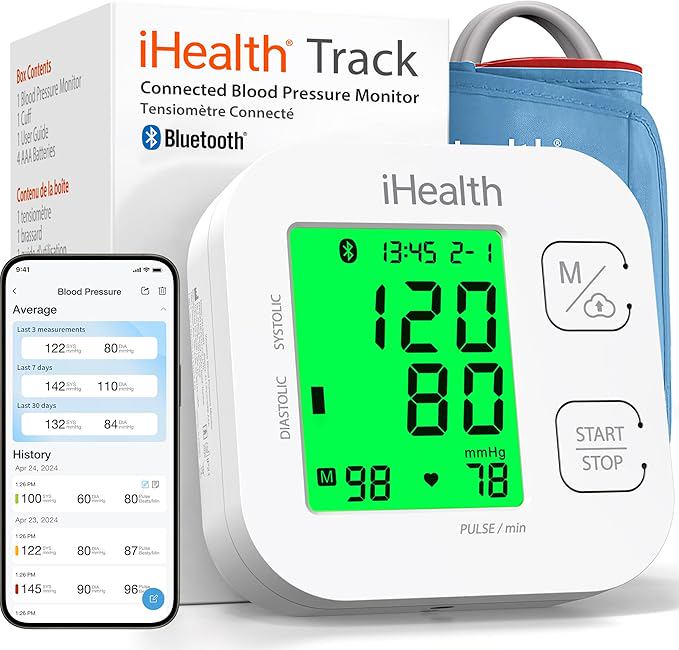
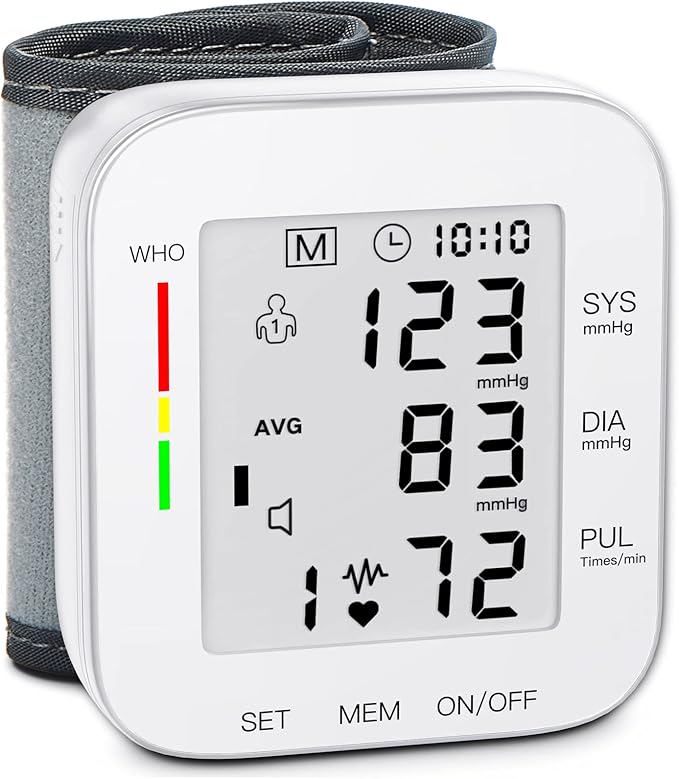
Your doctor will check your blood pressure, listen to your heart and lungs with a stethoscope, and look for signs of poor circulation or fluid retention. You will likely have blood drawn for a lipid panel (to check cholesterol and triglycerides) and possibly for markers of inflammation or heart strain. A blood sugar test may also be ordered to screen for diabetes, which is a powerful risk factor for CAD.
These baseline tests do not diagnose CAD directly, but they give important context. A patient with very high LDL cholesterol and elevated blood pressure, for example, has a strong indication for further cardiac testing even if symptoms are mild.
Non-invasive cardiac imaging and stress testing
If CAD seems plausible after the initial evaluation, the next step is usually a non-invasive test. The most common options include:
- Electrocardiogram (ECG/EKG): Records the electrical activity of your heart. An ECG can show signs of a previous heart attack or ongoing reduced blood flow, but a normal resting ECG does not rule out CAD.
- Stress test (exercise or pharmacologic): You walk on a treadmill or receive medication to increase your heart rate while your ECG and blood pressure are monitored. Imaging such as echocardiography or nuclear scanning may be added to see how well blood flows to the heart muscle during stress.
- Coronary calcium scan (CT): A low-dose CT scan detects calcium deposits in the coronary arteries. The resulting calcium score is a useful predictor of future heart attack risk. It is often used when symptoms are atypical or risk is intermediate.
- CT coronary angiography: A more detailed CT scan with contrast dye that produces 3D images of the coronary arteries. It can show narrowing or blockages without requiring an invasive procedure.
These tests are not perfect, but they are very effective at sorting patients into low-risk and high-risk groups. A negative stress test with good exercise capacity, for example, makes significant CAD unlikely. A positive test, on the other hand, prompts more definitive evaluation.
Invasive testing: coronary angiography
If non-invasive tests suggest significant blockages, or if your symptoms are severe and your risk profile is high, your doctor may recommend a coronary angiogram. This is the gold standard for diagnosing CAD and is performed in a cardiac catheterization lab.
During the procedure, a thin, flexible tube called a catheter is inserted into an artery in your wrist or groin and gently guided to your coronary arteries. A contrast dye is injected, and X-ray videos are taken to reveal any narrowing or blockages in real time. The entire procedure usually takes about 30–60 minutes. You are awake but sedated, and the vast majority of patients experience only mild discomfort.
Angiography provides precise, detailed information: how many arteries are involved, how severe each blockage is, and whether stenting or bypass surgery might be needed. It is also the basis for final diagnosis—no other test matches its detail.
Additional tests that may play a role
In some situations, doctors use other tools to refine the diagnosis or plan treatment:
- Fractional flow reserve (FFR): A wire with a pressure sensor is placed across a narrowing during angiography. It measures how much the blockage limits blood flow. An FFR below a certain threshold suggests that stenting or surgery may be beneficial.
- Intravascular ultrasound (IVUS): A tiny ultrasound probe on the tip of a catheter takes images from inside the artery, showing the wall structure and plaque composition.
- Cardiac MRI or PET scan: These advanced imaging techniques can assess blood flow, heart muscle viability, and scarring with very high resolution. They are typically reserved for complex cases.
What your results mean for next steps
A diagnosis of CAD does not automatically mean you need a stent or bypass surgery. Many people with mild to moderate CAD are managed successfully with lifestyle changes—such as a heart-healthy diet, regular exercise, and smoking cessation—along with medications to lower cholesterol, control blood pressure, and reduce clotting risk. For more advanced disease, your cardiologist will discuss options for revascularization, which may include angioplasty with stenting or coronary artery bypass grafting (CABG).
No matter what the tests show, remember that a diagnosis is a starting point, not a conclusion. Modern treatments are highly effective, and early detection dramatically improves outcomes.
The diagnostic process is designed to give your healthcare team a clear, detailed picture of your coronary arteries so they can recommend the safest, most effective plan for you. If you have any concerns about a specific test—its risks, preparation, or what it will feel like—ask your doctor. Being informed reduces anxiety and helps you participate actively in your care.