
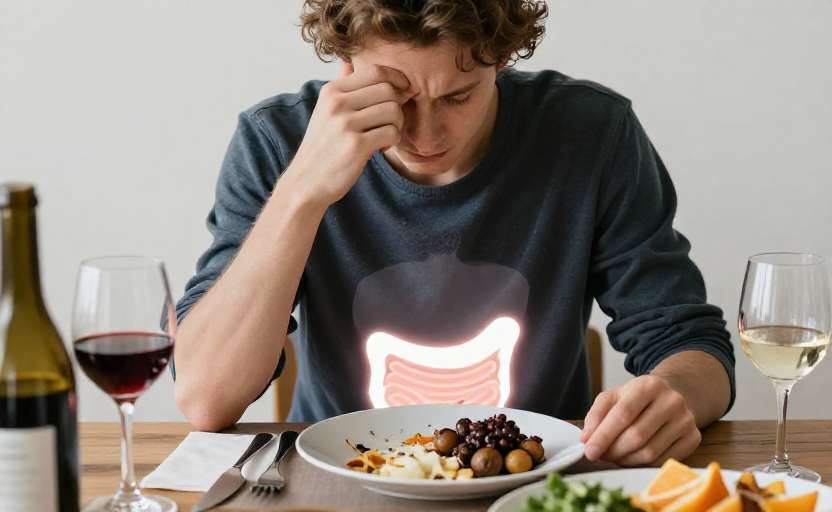
You finish lunch and feel fine — maybe a little full, but nothing unusual. An hour later, you're fighting a wave of drowsiness, or your vision seems just slightly unfocused. These moments are easy to dismiss as a heavy meal or a warm room. But for many people, especially those with insulin resistance or early-stage diabetes, what happens in the two hours after eating can tell a quiet but crucial story about blood sugar control.
Post-meal hyperglycemia — a rise in blood glucose after eating — often flies under the radar because it lacks the dramatic intensity of a diabetic emergency. Instead, it signals through subtle, almost forgettable symptoms. Recognizing these silent warnings can be the difference between managing your health proactively and letting metabolic strain accumulate over months or years. Below are seven less obvious signs that your blood sugar may be climbing too high after a meal.
1. Post-Meal Brain Fog: The Cotton-Headed Feeling
A mental haze that settles in about 45 to 90 minutes after eating is one of the most common yet overlooked signs. It feels like your thoughts are moving through honey — you reread emails three times or forget why you walked into the kitchen. This happens because elevated glucose can temporarily affect neurotransmitter balance and reduce cerebral blood flow. If your mind feels crystal clear before a meal but thick and foggy afterward, that pattern is worth noting.
2. Rebound Hunger: Feeling Hungry Right After a Full Meal
You just ate a balanced plate of protein, vegetables, and carbs. Twenty minutes later, your stomach feels as though it hasn't seen food all day. This isn't a lack of willpower; it can be a hormonal signal. When blood sugar spikes sharply, the body often releases a flood of insulin that drives glucose into cells too aggressively. The result is a relative drop in blood sugar (reactive hypoglycemia) that mimics hunger — even though you have plenty of calories on board. Pay attention to that urgent, gnawing sensation that arises shortly after eating.
Short tip: If you feel hungry within one hour of eating a full meal, try adding more fiber or protein next time — they slow glucose absorption and blunt the spike-crash cycle.
3. Sudden Visual Blur: Transient Vision Changes
Notice your vision going in and out of focus about an hour after meals? This isn't an eye problem in the traditional sense. High blood glucose causes fluid to shift within the lens of your eye, which temporarily changes its shape and focusing ability. It often feels like a prescription lens that keeps fluctuating. The key word is transient: if your vision returns to normal a few hours later, and this pattern repeats after carb-heavy meals, it points directly to a blood sugar response, not an eyeball issue.
4. A Flush of Fatigue: Overwhelming Post-Meal Sleepiness
Everyone feels sleepy after a big Thanksgiving dinner. But consistent, near-crippling fatigue after an ordinary lunch or dinner is a different story. When blood sugar climbs rapidly, your cells can become less responsive to insulin over time. The body scrambles to produce more insulin, diverting energy resources away from muscle and brain activity. If you find yourself needing a nap or struggling to keep your eyes open after a moderate meal — one without giant portions — consider it a red flag for glucose dysregulation.
5. Unexplained Thirst That Strikes Post-Meal
Thirst is often associated with diabetes in general, but there is a specific pattern to watch for: thirst that arrives during or right after a meal, not because the food was salty. As blood sugar rises, the kidneys work to excrete excess glucose through urine, drawing water along with it. This can create a sense of dryness in the mouth and a need to drink even while you're still chewing. If you always keep a large glass of water at the table and can't seem to quench your thirst after eating, that's a signal worth investigating.
6. Mood Irritability or Restlessness After Eating
Blood sugar spikes affect more than the body — they influence brain chemistry, including adrenaline and cortisol. Some people experience a subtle feeling of agitation, impatience, or low-grade anxiety within two hours of finishing a meal. It might feel like being "hangry" in reverse: not hungry, but snappy and on edge. This can be especially confusing because you assume a good meal would improve your mood. If you notice a consistent shift toward irritability after eating, track it alongside what you ate.
7. Lingering Sweet or Metallic Taste in the Mouth
A sweet or slightly metallic taste that lingers after a meal — even after brushing your teeth — can be another clue. Extremely high glucose levels can alter the composition of saliva, sometimes producing a faintly sweet or fruity taste. This symptom is less common but more specific. If it appears regularly in the hour after a carb-rich lunch or dinner, it's a strong indicator your body is struggling to manage that glucose load.
What to Do If You Notice These Signs
None of these seven symptoms alone confirms diabetes or prediabetes. They are clues — signals from your body that your post-meal glucose handling may be slipping. The most helpful step you can take is to start keeping a simple pattern journal: write down what you ate, how you felt one to two hours later, and whether any of these signs appeared. Bring this log to your primary care provider. A simple blood test like HbA1c or a two-hour oral glucose tolerance test can clarify whether your fasting numbers are masking daytime spikes.
In the meantime, consider shifting the structure of your meals. Prioritize non-starchy vegetables first, then protein and fat, and save starches and sweets for last. This food sequencing can blunt the glucose rise without requiring you to cut out your favorite foods entirely. Walking for 10 to 15 minutes after a meal also encourages your muscles to use up some of the circulating glucose, helping it return to baseline faster.
Your body talks to you in quiet nudges before it resorts to loud alarms. Learning to read those nudges around mealtime can help you stay ahead, long before any numbers on a glucose meter start to climb.