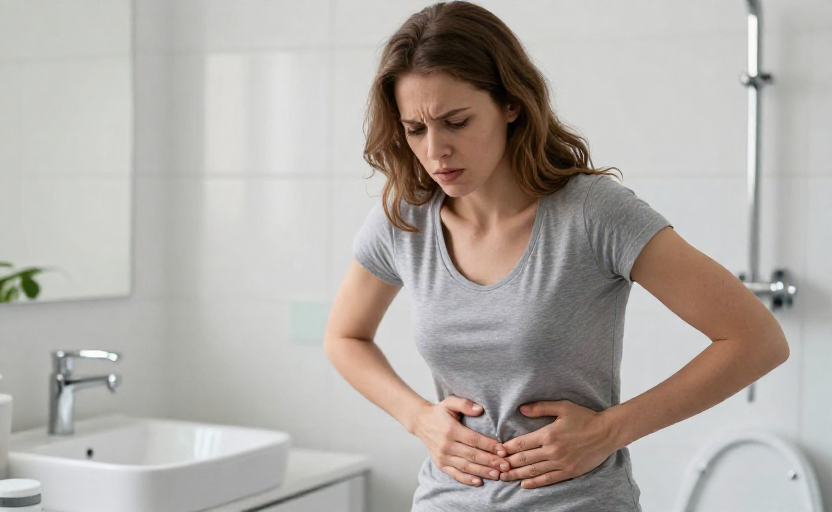
When you stop taking birth control pills, your body begins to readjust to its natural hormone production. For some women, this transition can unmask underlying conditions that the pill was quietly managing. One of those is the development of ovarian cysts, especially in women with PCOS or a history of hormonal imbalance. Knowing what to watch for can help you recognize when those post-pill symptoms are actually warning signs worth discussing with a gynecologist.
Here are five specific warning signs that ovarian cysts may be forming or growing after you stop hormonal contraception.
1. Persistent pelvic pain or pressure
The most common red flag is a dull ache or feeling of fullness on one side of your lower abdomen. Unlike typical menstrual cramps that come and go with your cycle, this pain often lasts longer and may radiate into your lower back or thighs. Some women describe it as a heavy, dragging sensation. If the pain is sharp or sudden, it could signal ovarian torsion or rupture, which requires immediate medical attention.
2. Changes in your menstrual cycle after stopping the pill
While irregular periods are expected for a few months after discontinuing birth control, certain patterns point toward cysts. Watch for cycles that are significantly shorter than 21 days or longer than 35 days, heavy bleeding that soaks through a pad or tampon every hour, or spotting between periods. These fluctuations can mean that your ovaries are struggling to release eggs properly, allowing fluid-filled sacs to linger and enlarge.
3. Bloating and abdominal distension that won't go away
Many women attribute bloating to diet or water retention, but persistent swelling in your lower belly that doesn't improve with digestion or time could be caused by a growing ovarian cyst. Some cysts can reach several inches in diameter, pressing against the intestines and abdominal wall. If your clothes feel tight around your waistline day after day and you don't have other digestive symptoms, consider this a possible cyst signal.
4. Pain during intercourse or bowel movements
Deep pain during sex or discomfort when passing stool can indicate that a cyst is positioned near the ligaments supporting your uterus or against your rectum. This pain is often described as a sharp poke or a deep ache that lingers afterward. Because birth control pills suppress ovulation and reduce cyst formation, you may not have experienced this sensation while on the pill. Its return is worth investigating.
5. Sudden nausea, vomiting, or dizziness with abdominal pain
These symptoms together can indicate a cyst that has ruptured or twisted an ovary. Ruptured cysts release fluid and blood into the pelvic cavity, causing sharp pain and sometimes a drop in blood pressure that leads to dizziness or fainting. Ovarian torsion cuts off blood flow to the ovary and is a medical emergency. If you experience this combination of signs, seek emergency care without delay.
It's worth remembering that birth control pills don't cure PCOS or prevent ovarian cysts permanently—they simply suppress the hormonal cycle that drives them. When you stop the pill, your body returns to its underlying rhythm. For many women with PCOS, this means the return of anovulation, elevated androgens, and the reemergence of ovarian cysts.
A note on lifestyle support: While this article focuses on warning signs, managing PCOS and reducing cyst formation often involves supporting your body's natural hormone balance through consistent sleep, stress management, and a diet rich in fiber and low in refined sugar. These steps don't replace medical care, but they can help your body adjust more smoothly after stopping hormonal birth control.
If you notice any of these warning signs, track your symptoms for a full cycle and then share that log with your healthcare provider. An ultrasound can confirm whether cysts are present and whether they require monitoring or treatment. Most ovarian cysts are benign and resolve on their own, but knowing what to look for—especially after coming off birth control—helps you stay proactive about your reproductive health.