Switching to dairy-free desserts can be a rewarding challenge, but even the best recipes can fall flat if certain habits sneak into your routine. You’ve probably had it happen: a cake that’s gummy, ice cream that’s icy rather than creamy, or a pudding that separates. The ingredients aren’t the problem — it’s usually a few repeatable missteps. Here are five common habits that sabotage the texture and flavor of dairy-free sweets, and how to fix each one.
1. Over-relying on one milk substitute
It’s tempting to use the same carton of oat milk for everything, but dairy-free desserts are picky. Oat milk adds natural sweetness and body, but it can make puddings and custards gluey. Almond milk is light but lacks fat, so it often produces thin, watery results. Coconut milk from a can (not the carton) is high in fat and works beautifully for rich textures, but its flavor can dominate. The fix: match the milk to the dessert. Cashew milk or homemade oat milk (strained well) are neutral and creamy. For ice cream, full-fat coconut milk is your friend. For cakes, try a blend of unsweetened almond and a spoonful of coconut cream.
2. Skipping the fat
Dairy provides fat that carries flavor and creates a tender crumb. When you cut dairy, cutting all the fat too is a common mistake. Vegan butter, coconut oil, or even nut butters add the richness that keeps a brownie fudgy and a cookie from turning into a cracker. If a recipe calls for melted butter, use a refined coconut oil (no coconut taste) or a good-quality vegan butter stick. For ice cream, a tablespoon of nut butter or a splash of coconut cream can make the difference between scoopable and rock-hard.
3. Not adjusting for sweeteners
Dairy-free desserts often rely on syrups (agave, maple) or coconut sugar, which bring more moisture and a different browning profile than white sugar. If you swap cup-for-cup without accounting for liquid, your batter can become too wet or your baked goods will brown too fast. A simple fix: reduce the liquid in the recipe by about 1-2 tablespoons for every 1/4 cup of liquid sweetener used. Watch your oven temperature — coconut sugar can cause edges to set before the center is done, so bake at 325°F instead of 350°F to give the inside time to catch up.
4. Over-mixing gluten-free flours
Many dairy-free desserts also go gluten-free, and that’s where over-mixing becomes a bigger offender than with wheat flour. Gluten-free flours (rice, almond, tapioca, blends) lack the elastic protein network that wheat provides. When you beat them too hard or too long, they release starch and produce dense, gummy textures. The fix: mix until just combined — no more than 20 seconds after the dry ingredients hit the wet. Fold in chips or fruit by hand. If your batter looks lumpy, that’s fine.
5. Leaving out an emulsifier or binder
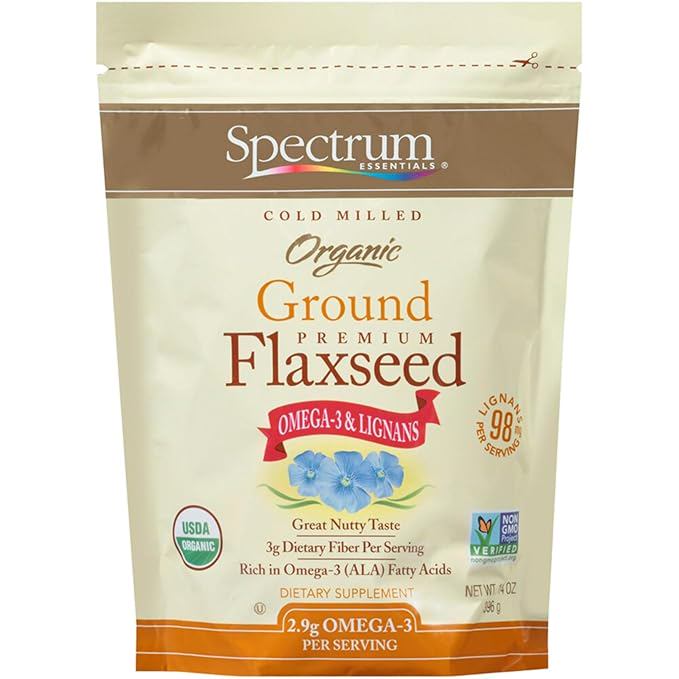
Without eggs or dairy, you need something to hold the mixture together and keep fat and water from separating. A surprising number of dairy-free recipes skip this step. A tablespoon of ground flaxseed mixed with 3 tablespoons of warm water (a flax egg) works in cookies and quick breads. For richer desserts, try aquafaba (the liquid from canned chickpeas) — it whips up like egg whites. A teaspoon of psyllium husk or a scant tablespoon of cornstarch can stabilize puddings and custards. That extra step prevents that grainy, separated texture that makes dairy-free desserts disappointing.
Quick tip: if your dairy-free ice cream comes out icy, add a teaspoon of vodka or a tablespoon of corn syrup. Both lower the freezing point without affecting flavor, giving you a smoother scoop.
Dairy-free desserts can be every bit as luxurious as traditional ones. The secret is understanding how each substitute behaves and treating the recipe with a little extra care. Adjust the fat, pick the right milk, and give those binders some attention — you’ll be rewarded with sweets that taste intentional, not like a compromise.