
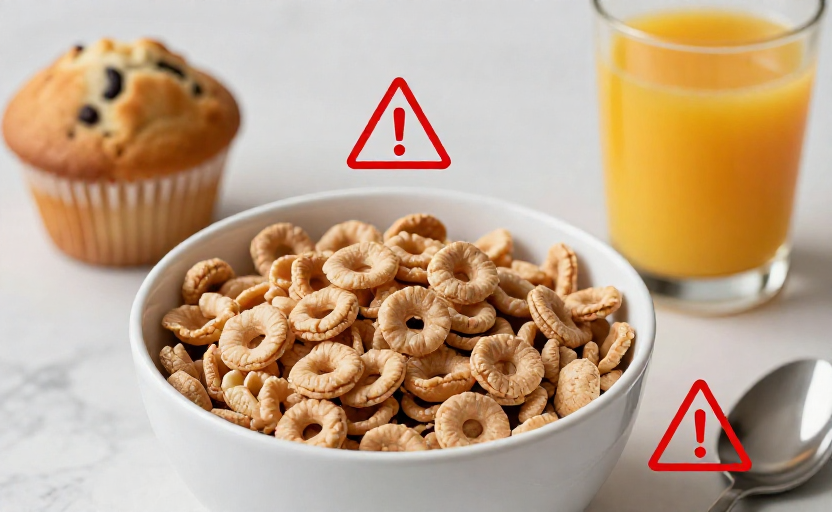
Morning meals set the tone for the day, and after a night of fasting, the choices we make at breakfast can have a pronounced impact on blood glucose. For individuals managing diabetes or prediabetes, certain common breakfast options act less like fuel and more like a challenge—triggering rapid rises in blood sugar that can derail energy and focus before the morning is over.
The key is recognizing which foods, often marketed as convenient or even healthy, tend to break down quickly into glucose. These are not about outright banning your favorite foods, but rather understanding which breakfast choices behave like warning signs. Below are five high-carb breakfast staples that merit caution, along with practical shifts to make your morning meal more blood-sugar-friendly.
1. Sugary Cereal and Refined Grain Bowls
A bowl of colorful, sweetened cereal with milk is a classic quick breakfast, but it is often a perfect storm for blood sugar instability. Most commercial cereals are made from refined grains, stripped of fiber, and then coated in added sugar.
Why it acts as a warning sign: Without fiber or protein to slow digestion, the carbohydrates hit the bloodstream quickly. A single serving can contain 10–20 grams of added sugar, and that number often doubles when combined with a second helping. According to the American Diabetes Association (ADA), refined carbohydrates are a primary driver of post-meal glucose spikes.
Practical shift: Look for unsweetened, whole-grain cereal with at least 3 grams of fiber per serving. Add a handful of nuts or a spoonful of seeds to introduce protein and healthy fats, which help stabilize the response.
2. Pastries, Muffins, and Breakfast Pastries
From glazed donuts to oversized blueberry muffins, the bakery case is full of breakfast foods that are essentially desserts. Many commercial muffins, for example, contain as much sugar as a candy bar and are made with white flour that lacks fiber.
Why it acts as a warning sign: These items are dense with simple carbohydrates and often low in volume, making them easy to overconsume. The combination of refined flour, sugar, and unhealthy fats creates a rapid glucose spike followed by a crash, leaving you hungry and low on energy shortly after eating.
Consider that a single medium-sized store-bought muffin can pack 40–50 grams of carbohydrates, with very little fiber to slow absorption.
3. Sweetened Instant Oatmeal
Oatmeal is often considered a heart-healthy choice, but not all oatmeal is created equal. Pre-packaged instant oatmeal packets are loaded with added sugar, flavorings, and preservatives.
Why it acts as a warning sign: The instant processing breaks down the oat grains into smaller pieces, which the body digests more quickly. A maple-brown sugar packet may list 30 grams of carbs per serving, with half of that coming directly from added sugar. This combination creates a blood sugar spike similar to eating a sugary cereal.
Practical shift: Choose whole-rolled oats or steel-cut oats, and sweeten them yourself with a small amount of fruit (like berries) and a sprinkle of cinnamon. A tablespoon of nut butter or a scoop of unsweetened protein powder can further dial down the glycemic impact.
4. White Toast with Jam or Spread
Two slices of white toast slathered with jam or jelly is a simple and nostalgic breakfast, but it is also a double hit of high-glycemic carbohydrates. White bread is refined—meaning the bran and germ have been removed—leaving mostly starch.
Why it acts as a warning sign: The bread alone breaks down into glucose rapidly. Adding a sugary spread like jam or jelly (often containing 10–15 grams of sugar per tablespoon) pushes the glucose load even higher. Without protein or fat to buffer the meal, blood sugar can climb within 30–45 minutes.
Practical shift: If you enjoy toast, switch to 100% whole-grain or sourdough bread—both have a lower glycemic index. Top it with mashed avocado, a poached egg, or a thin layer of unsweetened nut butter instead of jam.
5. Pancakes and Waffles with Syrup
A stack of pancakes or waffles drenched in maple syrup or corn syrup is a high-carb indulgence. These batters are usually made from white flour, milk, eggs, and sometimes added sugar or oil, but the main issue is the syrup.
Why it acts as a warning sign: A single pancake can pack 15–20 grams of carbs, and a typical serving of syrup (1/4 cup) adds another 50 grams of pure sugar. The total carbohydrate count for a standard stack can easily exceed 80 grams—without significant fiber, protein, or fat to slow absorption. Studies show that such meals are associated with a notable increase in postprandial glucose levels (the blood sugar rise after eating).
Practical shift: Consider making pancakes with almond flour or a blend of whole-grain and flaxseed meal. Top with fresh berries and a dollop of plain Greek yogurt instead of syrup. If you crave a small amount of sweetness, a teaspoon of pure maple syrup goes a long way.
Building a Balanced Breakfast
Recognizing these warning signs is the first step. The goal is not to eliminate all carbohydrates—your body needs them for energy—but to pair them strategically. A balanced breakfast should combine:
- Non-starchy vegetables or whole fruits (like spinach, bell peppers, or berries)
- High-quality protein (eggs, Greek yogurt, tofu, or lean poultry)
- Healthy fats (avocado, nuts, seeds, or olive oil)
- Fiber-rich complex carbohydrates (oats, quinoa, or sprouted-grain bread)
A 2020 review in Nutrients found that breakfast meals higher in protein and fiber significantly improved glycemic control throughout the morning and reduced cravings later in the day.
Ultimately, the best breakfast for blood sugar is one that you can make consistently, without feeling deprived. Small swaps—like choosing steel-cut oats over instant, or adding an egg to your toast—can turn a morning warning sign into a steady source of energy.