

The Hidden Trigger: How Sleep Disruption Signals Postpartum Mood Risk
Sleep disruption after childbirth can be an early warning sign of postpartum mood disorders. Learn how broken rest signals risk and when to seek help.
We found 230 results for "sleep". Here are the most relevant articles:
Sleep disruption after childbirth can be an early warning sign of postpartum mood disorders. Learn how broken rest signals risk and when to seek help.

Learn the 4 signs your sleep latency is too long — including racing thoughts and delayed drowsiness — and what it means for your overall health and recovery.
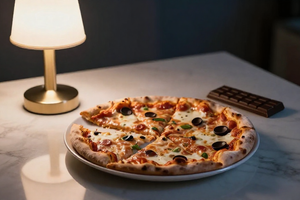
Sleep dietitians reveal three common foods that can keep you awake at night: heavy fats, hidden caffeine, and sugary snacks. Simple swaps may help.

Four common sleep disorder myths debunked by research: the 8-hour rule, melatonin safety, nighttime waking, and alcohol as sleep aid. Evidence-based realities inside.

Staying seated after dinner can raise blood sugar, boost cortisol, and harm sleep. Learn the simple 10-minute movement fix that supports body composition.

Is your evening routine ruining your rest? Learn 3 signs—from a racing mind to nightcaps to late-night eating—that disrupt sleep quality, plus simple fixes.
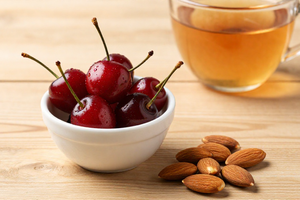
Learn how a bedtime snack of tart cherries and protein can help lower cortisol and improve sleep quality, plus other nutrient-rich options and timing tips.
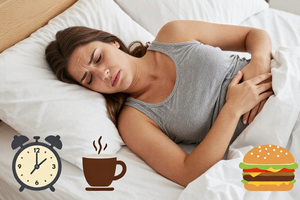
Learn the 4 warning signs that poor sleep is blocking belly fat loss—including morning hunger, fatigue, high cortisol, and caffeine dependence—plus simple fixes to improve sleep and metabolism.

Learn why restricting calories while sleep-deprived backfires: muscle loss, hormonal disruption, and stalled fat loss. Prioritize sleep before cutting calories.

Caffeine and stress both disrupt sleep, but each leaves distinct clues. Learn how to tell them apart with practical self-tests, pattern tracking, and targeted solutions for better rest.


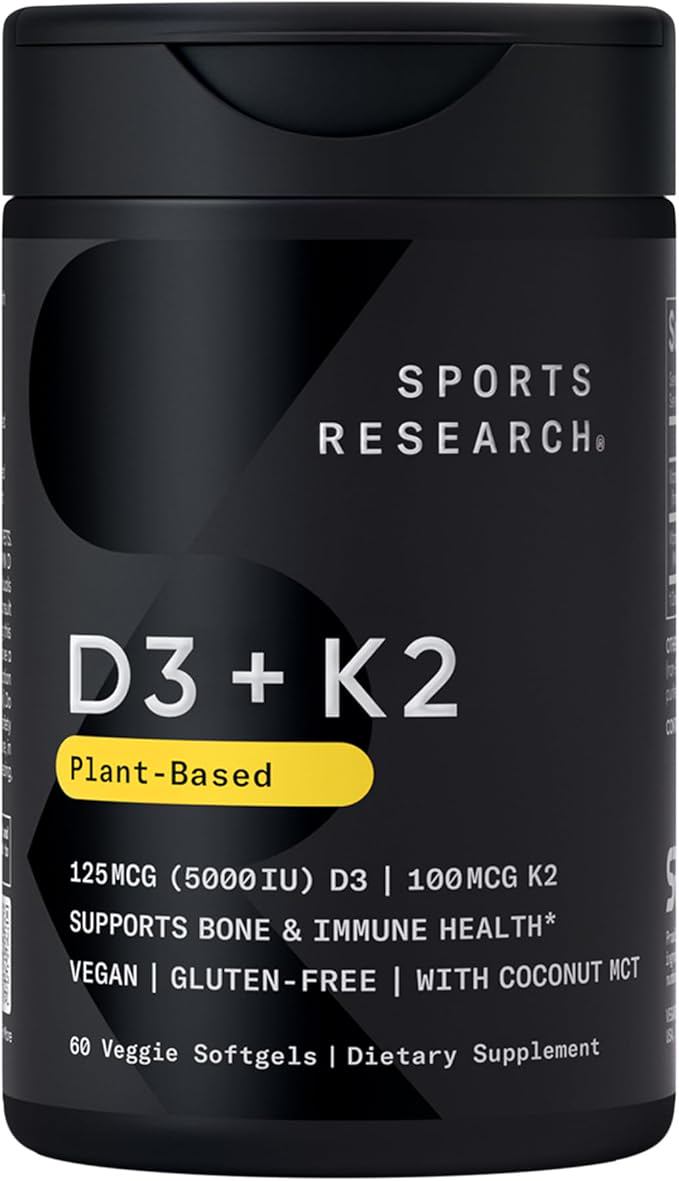
Sports Research® Vitamin D3 + K2 w/ Coconut Oil - Vegan Vitamin D 5000iu & Mk7 Vitamin K 100mcg for Bone & Immune Support - Vegan Certified · Non-GMO · Soy Free - 60 Softgels
Check it out

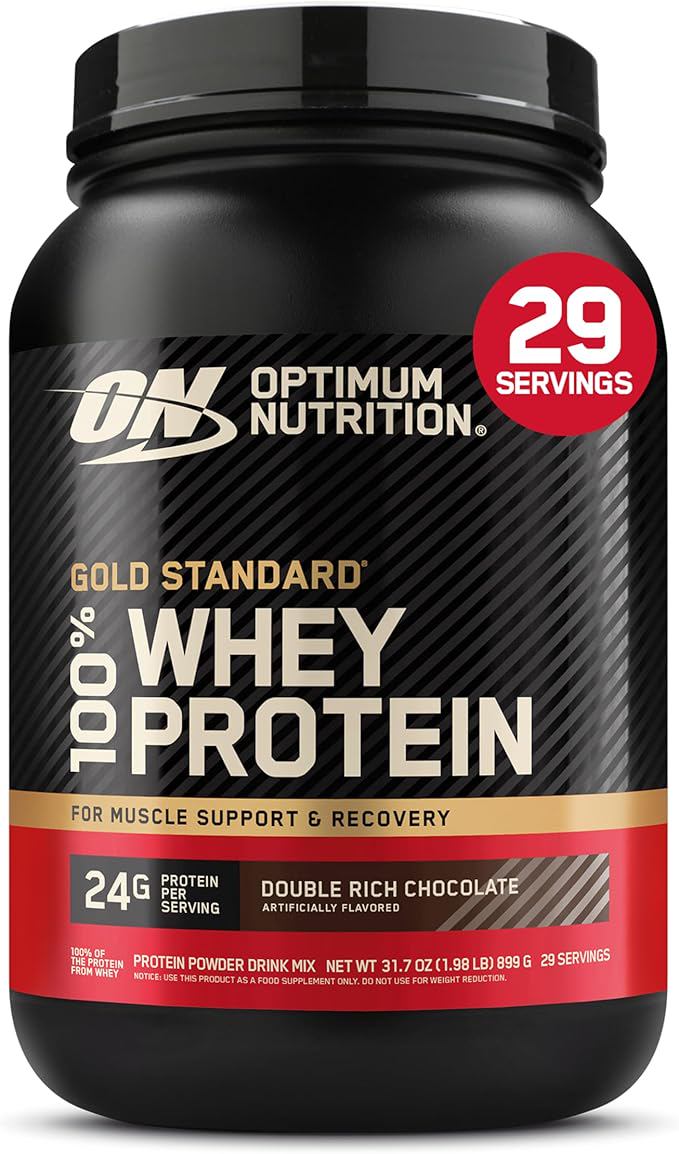
Optimum Nutrition Gold Standard 100% Whey Protein Powder, Double Rich Chocolate 1.98 Pound (Packaging May Vary)
Check it out