The idea of eating right before bed has long been tied to late-night indulgence, but for anyone trying to manage stress and improve sleep quality, the right nighttime snack can actually be a strategic health move. When you choose foods that help regulate cortisol—your body’s primary stress hormone—you can create a smoother transition into restorative sleep. The goal isn’t to overeat, but to give your system the nutrients it needs to dial down the stress response and promote relaxation.
Why Cortisol Matters at Night
Cortisol naturally ebbs and flows throughout the day. It peaks in the morning to help you wake up and should taper off in the evening as you prepare for sleep. But chronic stress, poor diet, and irregular schedules can keep cortisol levels elevated when they should be dropping. High nighttime cortisol is linked to difficulty falling asleep, fragmented sleep, and waking up feeling unrested. Eating a small, targeted snack before bed can help nudge your system toward the parasympathetic ‘rest and digest’ state.
The Cortisol-Lowering Bedtime Snack
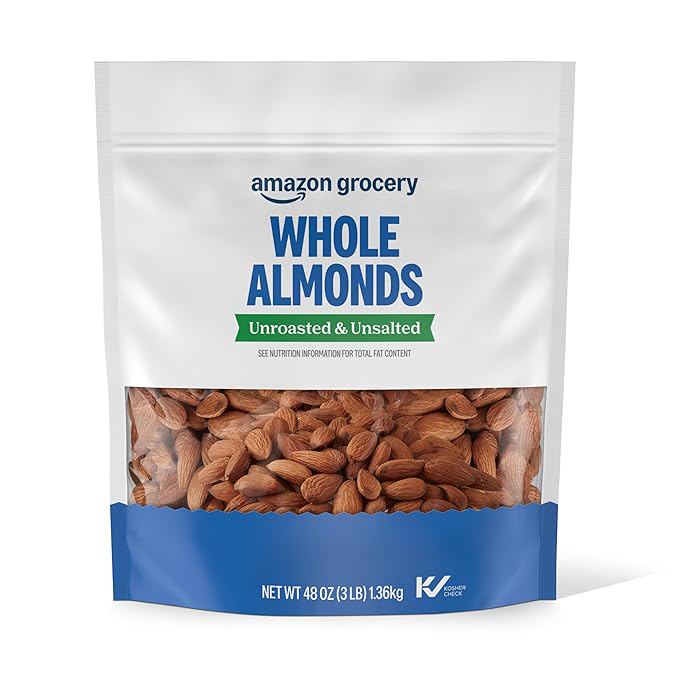
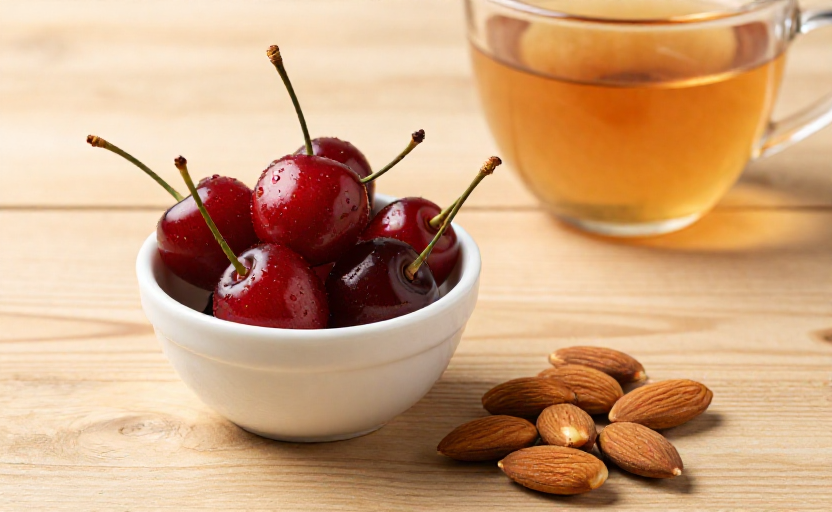
The single most effective bedtime snack for lowering cortisol and supporting sleep is a combination of tart cherries (or tart cherry juice) with a small portion of protein, such as a handful of almonds or a few slices of turkey. Here’s why this pairing works.
Tart Cherries: A Natural Source of Melatonin and Anti-Inflammatories
Tart cherries are one of the few natural food sources of melatonin, the hormone that signals your body it’s time to sleep. Research suggests that consuming tart cherry juice can increase melatonin levels and improve sleep duration and quality in adults with insomnia. Beyond melatonin, cherries are rich in anthocyanins and other antioxidants that help lower oxidative stress, which is often elevated when cortisol is high. Lowering systemic inflammation can, in turn, help bring cortisol back into a healthy rhythm.
Protein for Tryptophan and Amino Acid Balance
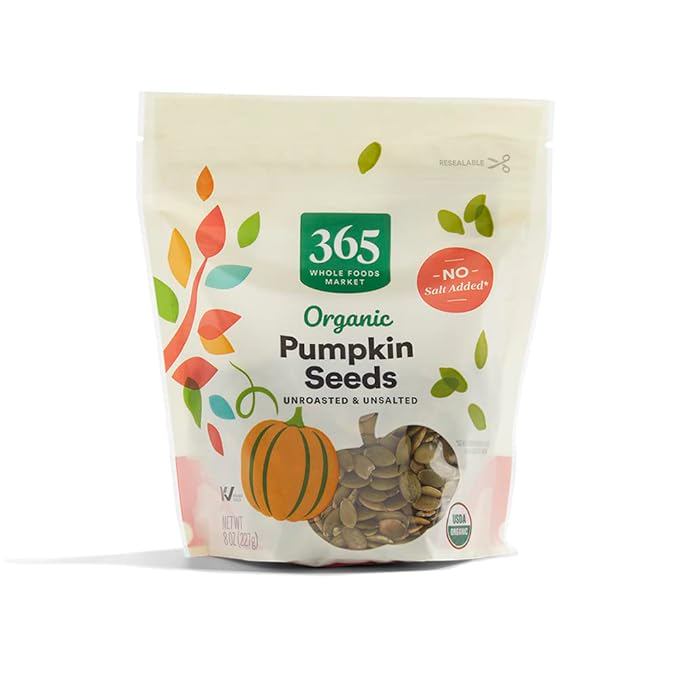
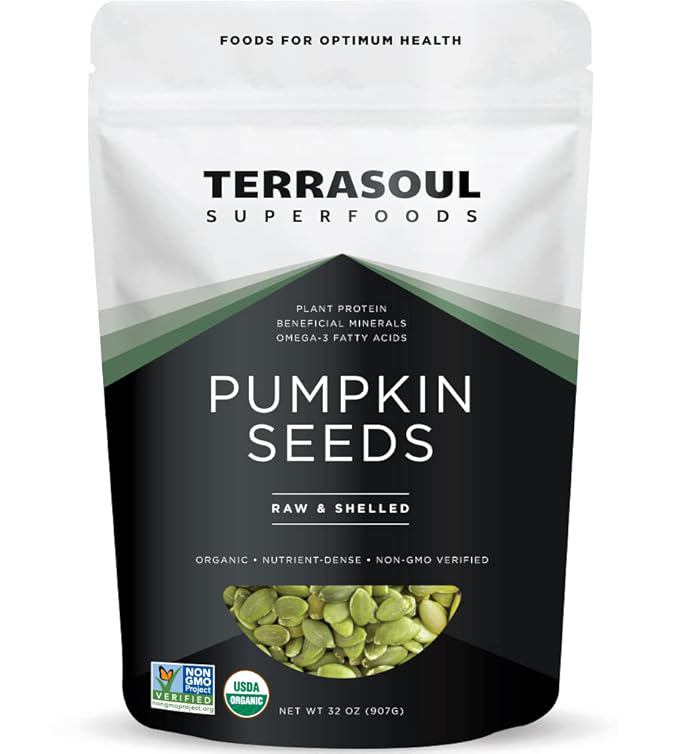
Pairing tart cherries with a small amount of protein—about 10 to 15 grams—provides tryptophan, an amino acid that your body converts into serotonin and then into melatonin. The protein also stabilizes blood sugar overnight. Blood sugar dips can trigger a cortisol spike, waking you up or keeping you from reaching deep sleep. Almonds, pumpkin seeds, or a few slices of lean turkey or chicken all work well because they contain both tryptophan and magnesium. Magnesium is an additional mineral that helps relax muscles and calm the nervous system.
Quick tip: If you don’t have fresh or frozen tart cherries, two tablespoons of unsweetened tart cherry concentrate mixed into a bit of water works just as well.
Other Snacks That Support the Same Goal
While the cherry-protein combination is particularly potent, several other snacks can support lower cortisol and better sleep because they share the same core principles: they provide tryptophan, magnesium, healthy fats, and blood-sugar-stabilizing protein.
- Banana with almond butter. Bananas are rich in potassium and magnesium, which relax blood vessels and muscles. The almond butter adds protein and tryptophan.
- A small bowl of oatmeal made with unsweetened oat milk. Oats are a source of complex carbs that help move tryptophan into the brain more effectively. Top with a few walnuts for added omega-3s, which combat inflammation.
- Kiwi. Two kiwifruits an hour before bed have been shown in some studies to improve sleep onset and duration due to their serotonin and antioxidant content.
- Yogurt with a handful of pumpkin seeds. Plain Greek yogurt or a dairy-free alternative provides protein and calcium, while pumpkin seeds deliver zinc and magnesium.
What to Avoid in a Bedtime Snack
Not all snacks are helpful. Foods that spike blood sugar or stimulate the nervous system will counteract your efforts to lower cortisol. Avoid anything high in refined sugar, including sweets, sugary cereals, or sweetened yogurts. Caffeine is an obvious no-go, but even hidden sources like chocolate (especially dark chocolate, which contains some caffeine) can be disruptive for sensitive individuals. Also avoid large meals—anything over about 200 to 300 calories can cause digestive distress and raise body temperature, both of which interfere with sleep.
When and How to Eat Your Bedtime Snack
Timing matters. Eat your snack about 45 to 60 minutes before you plan to fall asleep. This gives your body enough time to start digesting and to allow the amino acids and melatonin to enter your bloodstream. Keep the portion small—you want to take the edge off hunger, not feel full. A typical portion might be half a cup of cherries and a few almonds, or one banana with a tablespoon of almond butter.
Reminder: A bedtime snack is not a replacement for a balanced evening meal. It works best when your overall eating pattern throughout the day already supports stable blood sugar and adequate nutrients.
Does This Work for Everyone?
Individual responses vary. Some people find that any food close to bedtime, even a small snack, disrupts their digestion or causes heartburn. For those with acid reflux or certain metabolic conditions, eating within two hours of sleep may not be advisable. If you have a medical condition, especially one related to blood sugar management like diabetes, it’s wise to check with your healthcare provider before establishing a new nighttime eating habit. The underlying principle—giving your body the specific nutrients it needs to reduce cortisol—remains sound, but the best approach is always the one that fits your unique physiology.
Supporting your sleep by lowering cortisol doesn’t require a complicated routine. A small, nutrient-dense snack that includes tart cherries and a bit of protein can be a simple, effective tool. The key is consistency and listening to your body. When you pair the right foods with a calming pre-sleep ritual, you’re building a foundation for lower stress and deeper, more restorative rest.