
You’ve done all the right things — dimmed the lights, put away your phone, maybe even tried a breathing exercise. But you’re still lying awake, staring at the ceiling, wondering what went wrong. Sometimes, the culprit isn’t your bedtime routine. It’s what you ate a few hours earlier.
Dietitians say that certain foods, especially when eaten too close to bedtime, can disrupt your body’s natural sleep signals. The issue often comes down to digestive load, blood sugar fluctuations, or stimulating compounds that keep the brain alert. Here are three foods that may be quietly sabotaging your ability to fall asleep faster.
Heavy, high-fat meals close to bedtime
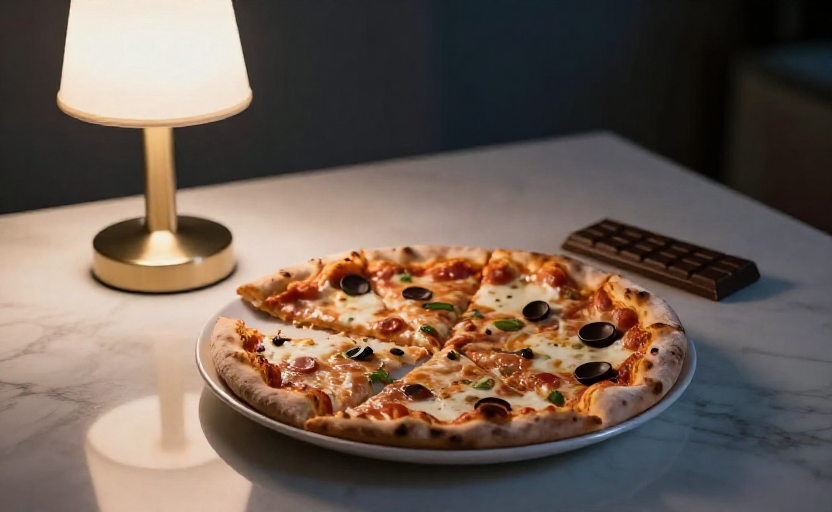
Think pizza, burgers, creamy pasta, or fried chicken. These are dense foods that take a long time to digest. When you eat a high-fat meal within two to three hours of bedtime, your digestive system is still hard at work while you’re trying to rest. That can lead to discomfort, acid reflux, or a rise in body temperature — all of which make it harder to drift off.
Registered dietitians note that a heavy meal can also spike your blood sugar, followed by a sharp drop that may wake you up in the middle of the night. If you're hungry before bed, a small, balanced snack like a banana or a few almonds is gentler on the system.
Hidden caffeine sources after 3 p.m.
Caffeine is a well-known stimulant, but it's not just coffee you need to watch. Chocolate, certain teas (including green and black), and even some flavored waters or energy bars contain caffeine. For people who are sensitive to its effects, even a small amount in the afternoon can delay sleep onset by an hour or more.
Dietitians recommend cutting off caffeine at least six hours before your planned bedtime. That means the 4 p.m. chocolate bar or the after-dinner cup of black tea could be keeping your brain too alert to settle down. If you crave something warm in the evening, try an herbal tea like chamomile or peppermint — just check the label to make sure it's caffeine-free.
Sugary snacks and refined carbs
Cookies, cake, sugary cereal, or even a big bowl of white pasta late at night can interfere with sleep. These foods cause a rapid rise in blood sugar, prompting your body to release insulin. The resulting drop in blood sugar can trigger the release of stress hormones like cortisol and adrenaline, which are the opposite of what you need when you're trying to fall asleep.
A dietitian's quick tip: If you need a bedtime snack, pair a small amount of protein or healthy fat with a complex carbohydrate — like an apple with a tablespoon of almond butter — to keep blood sugar stable overnight.
That late-night sugar hit might feel comforting in the moment, but it can backfire, leaving you wired instead of sleepy. Over time, regularly consuming high-sugar foods close to bedtime can also disrupt your natural sleep cycles, making it harder to achieve deep, restorative sleep.
While everyone's body is different, these three categories are common troublemakers. Paying attention to what — and when — you eat in the evening can make a noticeable difference in how quickly you fall asleep. Small adjustments, like swapping a heavy dinner for a lighter meal or choosing a caffeine-free evening drink, are simple changes that support better rest.