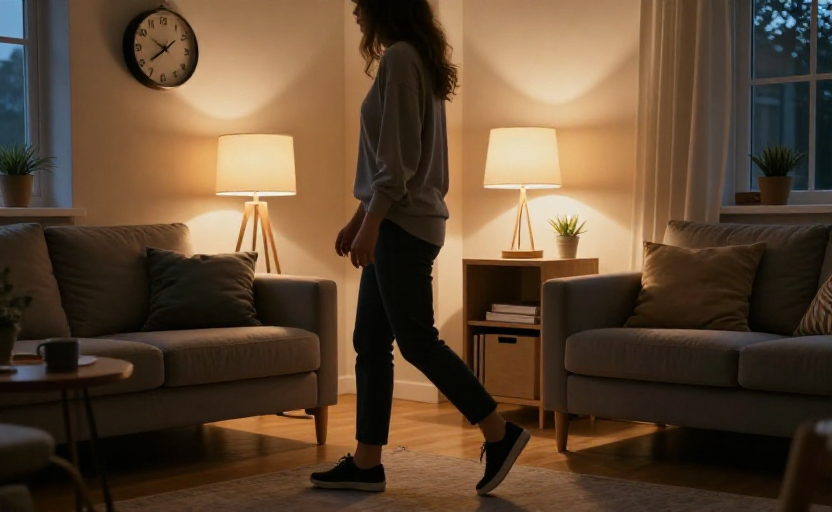
You’ve already eaten dinner. The dishes are done, or at least stacked. Now comes the quiet drift toward the couch, the phone, or maybe a last-minute work email. This after-dour window feels harmless—but how you spend it can quietly undermine your body composition and the quality of your sleep.
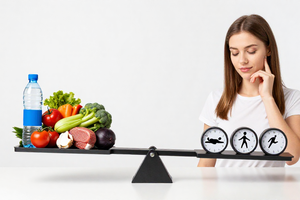
Many of us treat the hour after supper as a reward: sit, scroll, snack, slouch. That’s the mistake. When you stay seated or reclined right after a meal, your digestion slows, blood sugar stays elevated longer, and cortisol can linger instead of falling as it should before bed. Over time, that pattern nudges the body toward storing more fat—especially around the midsection—and makes it harder to fall into deep, restorative sleep.
Why the post-dinner wind-down can backfire
The body’s internal clock expects light activity after eating. A short walk, gentle stretching, or even standing while you tidy up signals to your metabolism that it’s still daytime. When you instead sink into a chair for an hour, your muscles don’t help clear glucose from the bloodstream as efficiently. Higher post-meal blood sugar triggers more insulin release, and insulin is a storage hormone—it encourages fat retention.
Meanwhile, your sleep-regulating systems are watching. If cortisol (the stress hormone) stays elevated because you’re still processing a heavy meal or staring at a bright screen, melatonin production gets delayed. The result: you fall asleep later, sleep less deeply, and wake up feeling less restored. Poor sleep then makes it harder to make good food choices the next day, creating a loop that works against both body composition and recovery.
The simple shift: movement, not more sitting
Research consistently shows that a 10–15 minute walk after dinner can blunt the blood sugar spike from the meal and lower evening cortisol. It doesn’t need to be brisk. A gentle stroll around the block, some light housework, or a few standing stretches (like the ones outlined below) count as active recovery. The key is to break up the sitting within 30 minutes of finishing your meal.
If you can’t get outside, timing matters. Set a reminder to stand up and do a simple bodyweight movement: hip circles, shoulder rolls, or a slow lunge. Even 5 minutes of deliberate motion resets the metabolic signal.
Three post-dinner movements that support body composition and sleep
These aren’t high-intensity drills. They’re low-effort, floor-based positions that encourage digestion, release tension, and signal the nervous system to transition toward rest.
1. Cat-Cow (Chakravakasana)
- Come to all fours, wrists under shoulders, knees under hips.
- Inhale, drop your belly, lift your chest and tailbone (cow).
- Exhale, round your spine, tuck your chin and tailbone (cat).
- Move slowly with your breath for 8–10 rounds.
2. Seated Forward Fold (Paschimottanasana)
- Sit on the floor with legs extended, feet flexed.
- Inhale to lengthen the spine; exhale to hinge at the hips and reach toward your shins or feet.
- Hold for 30 seconds to 1 minute, breathing calmly.
3. Legs-Up-the-Wall (Viparita Karani)
- Sit sideways against a wall, then swing your legs up as you lie back.
- Rest your arms at your sides, palms up.
- Stay for 5–10 minutes with eyes closed.
What about your evening snack habit?
A small, protein-rich snack (like a handful of almonds or a cup of chamomile tea) is fine if you’re genuinely hungry, but avoid sugary or high-carb treats after dinner. Those spike blood sugar and can keep your metabolic system active when it should be winding down. The real mistake is turning the post-dinner window into a long, seated grazing session.
One more thing: light exposure matters
Bright overhead lights and phone screens after 9 p.m. suppress melatonin. If you must use a device, turn on night mode and dim the screen. Better yet, switch to a red-toned lamp or just let the room be dim for the last hour before bed. Your brain reads light as daylight, and that alone can keep cortisol higher than it should be. Combine dim lighting with light movement—such as the stretches above—and you’ll give your sleep architecture a real advantage.
Small adjustment: finish your meal, move gently for 10 minutes, then dim the lights. Your body composition and sleep will thank you.
None of this requires a gym membership or a special app. It’s about catching the one habit that quietly derails progress: staying still after eating. Replace that stillness with a few minutes of conscious movement and a darker, quieter environment, and you’ll break the cycle that hurts both your waistline and your rest.