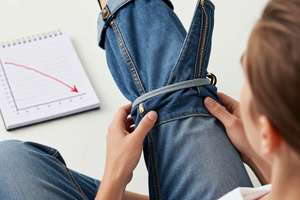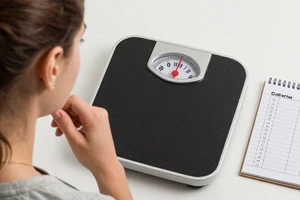
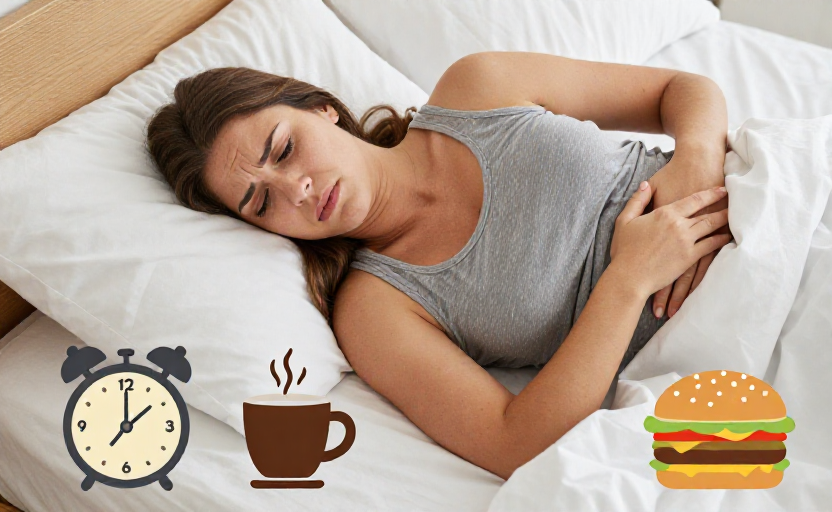
You track your meals. You squeeze in workouts when you can. But the number on the scale barely budges—especially around your middle. If that sounds familiar, the problem might not be what you’re eating or how you’re exercising. It could be how well you’re sleeping.
Sleep and belly fat are more connected than most people realize. When your sleep quality drops, your body’s natural fat-burning mechanisms get disrupted. Here are four warning signs that your sleep quality is quietly blocking your belly fat loss—and what you can do about it.
You wake up feeling hungry—even after a good dinner
One of the first signals that poor sleep is undermining your progress is morning hunger that feels out of proportion to what you ate the night before. Skimping on deep sleep throws two key hormones out of balance: ghrelin (which tells your brain you’re hungry) and leptin (which signals fullness).
When you’re sleep-deprived, ghrelin levels rise and leptin levels fall. That combination makes you feel hungrier than you should be, and it often drives cravings for carb-heavy, sugary foods. If you’re reaching for a pastry or a second coffee with extra cream first thing in the morning despite a balanced dinner, your sleep quality may be to blame.
You feel too tired for even small bursts of movement
Fatigue doesn’t just make the gym feel impossible—it also drains your motivation for the tiny, spontaneous movements that add up over the day. These are called NEAT (non-exercise activity thermogenesis): the energy you burn while standing, walking to the kitchen, pacing during a phone call, or folding laundry.
When sleep is poor, your energy levels dip so low that you instinctively sit more and move less. You might skip the standing break, take the elevator instead of the stairs, or stay parked at your desk during lunch. Over time, this drop in NEAT can reduce your total daily calorie burn by several hundred calories—without you ever realizing it. The result? Fat loss slows, especially around the belly.
Your stress levels feel high and your mood is low
Sleep and stress share a two-way street. Poor sleep raises cortisol, your primary stress hormone. Elevated cortisol doesn’t just make you feel on edge—it actively encourages your body to store fat in the abdominal area. This is sometimes called “stress belly,” and it’s directly linked to how well (or poorly) you sleep.
At the same time, a lack of restorative sleep reduces your ability to manage daily frustrations. You might feel more irritable, less patient, and more likely to reach for comfort foods at night. If you notice that your stress levels have been climbing alongside your waistline, your sleep quality is likely a major factor.
You rely on caffeine to get through the afternoon
It’s normal to enjoy a morning cup of coffee. But if you need caffeine (or sugary energy drinks) to function past 2 p.m., that’s a clear sign your sleep is not doing its job. Poor sleep leaves you running on a deficit, and afternoon caffeine becomes a temporary fix—one that can further disrupt your next night’s sleep by interfering with your natural wind-down process.
This creates a frustrating cycle: you sleep badly, you load up on caffeine to cope, and then you sleep badly again. In the meantime, your metabolism is struggling. Deep sleep is when your body repairs muscle, balances hormones, and regulates blood sugar—all essential processes for losing belly fat.
Simple ways to improve sleep for better fat loss
The good news is that small changes can have a big impact. Here are a few research-backed strategies to help you sleep better and support belly fat loss:
- Keep a consistent sleep schedule. Going to bed and waking up at the same time—even on weekends—helps regulate your internal clock.
- Limit screens before bed. Blue light from phones, tablets, and laptops suppresses melatonin, the hormone that helps you fall asleep. Try putting devices away at least 30 minutes before bedtime.
- Create a cool, dark, and quiet bedroom. A temperature around 65°F (18°C) and blackout curtains can significantly improve sleep depth.
- Avoid heavy meals and alcohol close to bedtime. Both can fragment sleep and reduce time spent in restorative deep sleep.
- Add short movement breaks during the day. Brief bursts of activity—like a two-minute plank, a set of squats, or dancing to one song—can boost daytime energy and help you fall asleep more easily at night.
Aim for 5–6 short activity breaks spread throughout your day. Even a few minutes of movement can stimulate fat-burning enzymes and improve your sleep quality.
If you recognize any of the four warning signs in your own routine, it may be time to look at your sleep habits first—before changing your diet or exercise plan. Better sleep doesn’t just leave you feeling rested; it gives your body the hormonal and metabolic environment it needs to release stubborn belly fat.