For many of us, dinner is the meal we look forward to all day. It’s a chance to unwind, connect, and nourish ourselves after the day’s demands. Yet, it’s also the meal where our choices can most easily drift toward comfort over composition. Focusing on protein at dinner isn’t about strict dieting; it’s a simple, practical strategy to support your body’s natural rhythms, promote satiety, and lay a foundation for restorative rest.
This guide walks through the tangible benefits of prioritizing protein in your evening meal and offers clear, actionable guidance on how much you might aim for, helping you make choices that feel both satisfying and supportive.
Why Protein Deserves a Spotlight at Dinner
Protein is more than just a building block for muscle. Its role in the evening is uniquely supportive. As your body transitions from the active day into a state of repair and recovery overnight, adequate protein provides the essential amino acids needed for that crucial maintenance work.
One of the most immediate benefits is satiety. Protein is highly effective at promoting feelings of fullness. A dinner rich in quality protein can help curb the desire for late-night snacking, which often involves less nutrient-dense options. This isn’t about willpower; it’s about giving your body the sustained nourishment it needs to feel settled.
Think of your dinner protein as the anchor for your evening—it steadies hunger signals and supports the body’s overnight repair processes.
Furthermore, consuming protein can have a moderating effect on blood sugar levels. When paired with other foods, it helps slow the absorption of carbohydrates, leading to a more gradual energy release. This stability can contribute to better sleep quality, as you’re less likely to experience energy spikes and dips that can disrupt rest.
Determining Your Evening Portion: A Practical Approach
Portion size is where theory meets the plate. Generalized recommendations, like a certain number of grams per kilogram of body weight, can be a starting point, but a visual and intuitive approach often works better for daily life.
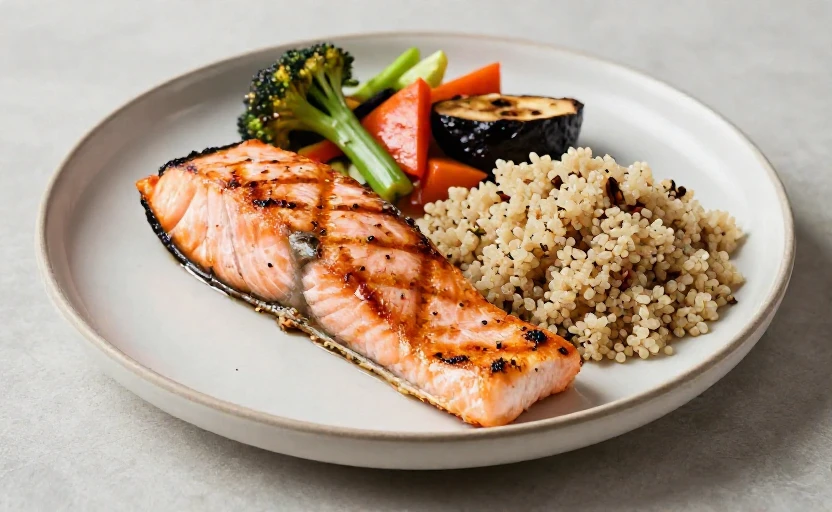
A helpful frame of reference is to aim for a portion of protein that takes up roughly one-quarter of your dinner plate. The actual amount this represents will vary person to person, but it provides a consistent visual cue.
- For most individuals: A serving about the size and thickness of your palm (excluding fingers) is a solid target for cooked meat, fish, or poultry.
- For plant-based proteins: A serving about the size of your clenched fist for cooked beans, lentils, or tofu can provide a comparable portion.
It’s also wise to consider your day as a whole. If your lunch was light on protein, a slightly more generous portion at dinner can help you meet your overall needs. Conversely, if you had a protein-rich lunch, your dinner portion might align with the lower end of the range. Listening to your body’s hunger and fullness cues remains the ultimate guide.
Excellent Protein Choices for Your Evening Meal
Variety ensures you get a broad spectrum of nutrients and keeps meals interesting. Here are some excellent options to rotate through.
Animal-Based Sources
These provide complete proteins, containing all essential amino acids. Opt for leaner cuts and consider preparation methods like baking, grilling, or sautéing over frying.
- Poultry: Skinless chicken or turkey breast.
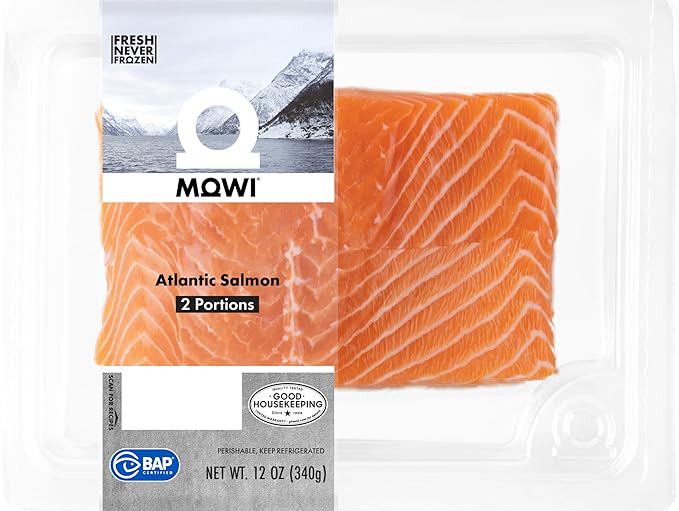
- Fish: Salmon, trout, cod, or tuna (rich in omega-3 fatty acids).
- Lean Red Meat: Occasional servings of lean beef or pork tenderloin.
- Eggs: A versatile and affordable option.
Plant-Based Sources
These are fantastic staples. Combining different plant proteins throughout the day (like beans with rice) can provide a complete amino acid profile.
- Legumes: Lentils, chickpeas, black beans, and kidney beans.
- Tofu, Tempeh & Edamame: Versatile soy-based proteins.
- Whole Grains: Quinoa, farro, and amaranth offer both protein and fiber.
- Nuts & Seeds: Almonds, walnuts, chia seeds, or hemp seeds as a garnish or in sauces.
Building a Balanced Dinner Plate
Protein works best as part of a team. A balanced plate supports overall digestion, nutrient absorption, and satisfaction.
Alongside your protein portion, aim to fill half your plate with non-starchy vegetables—think leafy greens, broccoli, peppers, or zucchini. The remaining quarter can be dedicated to a source of complex carbohydrates, like sweet potato, brown rice, or whole-grain pasta. This combination provides fiber, vitamins, minerals, and sustained energy, creating a meal that is truly nourishing.
Making protein a thoughtful part of your dinner is a sustainable habit, not a rigid rule. It’s about gently steering your evening nourishment toward choices that help you feel full, support your body’s nighttime renewal, and wake up feeling refreshed. Start by observing your current patterns, then experiment with adjusting your protein portion and variety. The goal is to find what makes you feel your best, one satisfying dinner at a time.