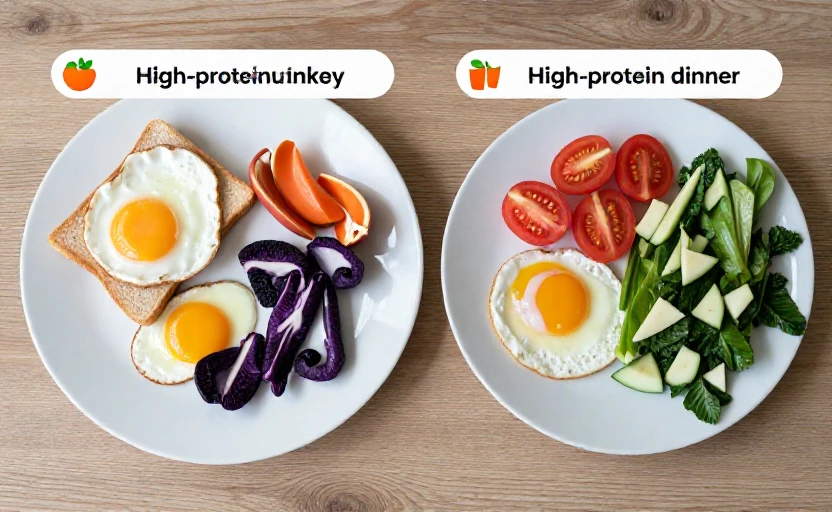
You’ve likely heard the advice to eat more protein. But does it matter when you eat it? The age-old question of whether a protein-rich breakfast or a protein-packed dinner is more beneficial isn’t just about personal preference—it’s a topic of growing scientific interest. Emerging research suggests that the timing of your protein intake can influence everything from muscle synthesis and satiety to metabolic health and blood sugar control. Let’s explore what the science actually says about distributing your protein across the day.
Why Protein Timing Might Matter
Our bodies aren’t in a constant state; they operate on circadian rhythms that regulate hormones, digestion, and metabolism throughout the 24-hour cycle. This internal clock means our bodies may process nutrients differently in the morning than at night. The concept of protein timing hinges on two key ideas: maximizing muscle protein synthesis and optimizing metabolic responses.
Your body has a limited capacity to use protein for building and repair at any single meal.
Think of it like a fuel tank for muscle repair. There’s only so much protein your muscles can utilize in one sitting before excess is used for energy or stored. Spreading your intake allows for more frequent “refueling” of this process.
The Case for a Protein-Packed Breakfast
Starting your day with a solid protein source can set a positive tone for your metabolism and appetite. Studies indicate that a high-protein breakfast can lead to greater feelings of fullness and reduce levels of the hunger hormone ghrelin, which may help curb snacking and lower overall calorie intake throughout the day.
For blood sugar management, the evidence is particularly compelling. Research has shown that a breakfast higher in protein and lower in refined carbohydrates can lead to more stable glucose levels after the meal and even improve responses to lunch. This steadier energy can prevent the mid-morning crash and support sustained focus.
From a muscle-building perspective, consuming protein in the morning helps break the overnight fast and provides the amino acids needed to shift your body from a catabolic (breaking down) state to an anabolic (building up) state.
The Argument for Prioritizing Protein at Dinner
On the other side of the plate, there’s a rationale for emphasizing protein in your evening meal. For individuals focused on muscle recovery and growth, consuming protein before sleep is a strategic move. Overnight, as you fast, your body enters a prolonged period where it could potentially break down muscle for fuel. A slow-digesting protein source, like casein found in cottage cheese or Greek yogurt, can provide a steady trickle of amino acids throughout the night, supporting muscle repair.
Some research also points to potential metabolic benefits. A study published in the journal Obesity found that overweight women who consumed more of their daily protein at the evening meal experienced greater improvements in satiety and reductions in late-night desire to eat compared to those who ate more protein earlier. A satisfying, protein-rich dinner may simply help you avoid less nutritious late-night snacks.
What Does the Research Conclude?
When you sift through the studies, a balanced picture emerges. The most consistent finding isn’t about choosing one meal over the other, but about the importance of even distribution.
Most adults tend to eat very little protein at breakfast, a moderate amount at lunch, and the bulk of their daily protein at dinner. This “back-loaded” pattern may not be optimal. Research suggests that spreading protein intake more evenly across all meals—aiming for 25-30 grams per meal for most adults—is more effective for stimulating muscle protein synthesis throughout the day than skewing most of it to one sitting.
For general health, weight management, and metabolic function, ensuring adequate protein at breakfast appears highly beneficial. For overnight muscle recovery, including protein at dinner is advantageous. Therefore, the science doesn’t force a binary choice but recommends a synergistic approach: don’t skip protein at either meal.
Practical Ways to Balance Your Protein Intake
You don’t need to weigh chicken breasts at dawn. It’s about mindful inclusion. Here are simple ways to hit protein targets at both meals:
For Breakfast
- Add a scoop of protein powder or Greek yogurt to a morning smoothie.
- Top whole-grain toast with eggs, smoked salmon, or nut butter.
- Choose cottage cheese or skyr as a base with fruit and nuts.
- Incorporate beans or lentils into a breakfast hash or burrito.
For Dinner
- Ensure a palm-sized portion of lean meat, fish, tofu, or tempeh is the centerpiece of your plate.
- Add a side of legumes, like lentils or chickpeas, to a grain bowl or salad.
- Include a serving of dairy, such as a side of cottage cheese or a yogurt-based sauce.
- Use quinoa or amaranth as a higher-protein grain alternative.
The goal is consistency, not perfection. Aim to include a good protein source in every meal.
Who Might Benefit Most from Timing?
While even distribution is a solid general rule, certain goals might nudge the emphasis slightly.
For managing appetite and blood sugar: Prioritizing protein at breakfast is likely the most impactful single change.
For athletes and those focused on muscle growth: Ensuring adequate protein at dinner (or a pre-bed snack) can support overnight recovery, in addition to post-workout nutrition.
For older adults: This population is at higher risk for sarcopenia (age-related muscle loss). Consuming enough protein at each meal is critical, with some research suggesting an extra focus on breakfast protein can help counteract the body’s reduced responsiveness to protein as we age.
The debate between protein at breakfast versus dinner ultimately resolves into harmony. The science strongly supports getting enough protein consistently throughout the day. By moving away from a protein-light breakfast and a protein-heavy dinner, you can better support muscle health, metabolic function, and satiety from morning to night. Listen to your body’s hunger cues, include a variety of protein sources, and let both your morning and evening meals contribute to your daily needs.