When you decide to change your eating habits, the sheer number of approaches can feel overwhelming. Two of the most common strategies—portion control and calorie counting—often sit at the center of the conversation. They’re both valid paths, but they lead you there in very different ways. One focuses on the what and how much on your plate, while the other dives into the precise numbers behind every bite. Understanding the mindset, effort, and outcomes of each can help you choose the method that fits your life, not just your diet.
At its heart, this isn’t about finding the single “best” strategy. It’s about discovering which framework feels sustainable for you. A method that causes constant stress is one you’ll eventually abandon. The right choice is the one you can live with comfortably, turning mindful eating from a short-term project into a lasting part of your well-being.
What is portion control, really?
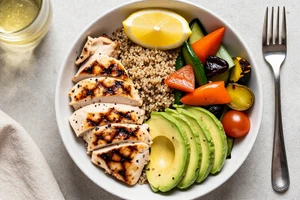
Portion control is a visual and intuitive approach to eating. Instead of tracking numbers, you learn to recognize appropriate serving sizes for different foods. The goal is to retrain your eye and your habits around how much food you serve yourself, whether at home or when dining out.
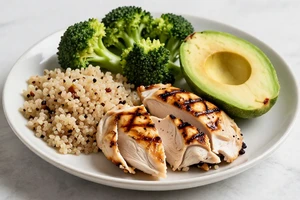
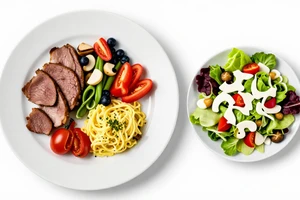
This method relies on simple cues. You might use your hand as a guide—a palm-sized portion for protein, a fist for vegetables, a cupped hand for carbohydrates like rice or pasta. Or you might focus on plating principles, like making half your plate non-starchy vegetables before adding anything else. The emphasis is on structure and proportion, not on a database of nutritional values.
Portion control is less about restriction and more about rebalancing your plate to naturally support your goals.
Its greatest strength is simplicity. There’s no app to open or log to maintain. It encourages you to be present with your meal, to listen to hunger cues, and to develop a healthier relationship with food quantities. For many, this feels like a more natural way to eat, reducing the mental load that comes with constant calculation.
How calorie counting works
Calorie counting is a quantitative, data-driven strategy. It involves tracking the energy content of all the food and drink you consume, aiming to stay within a specific daily target to create a calorie deficit for weight loss or maintenance.
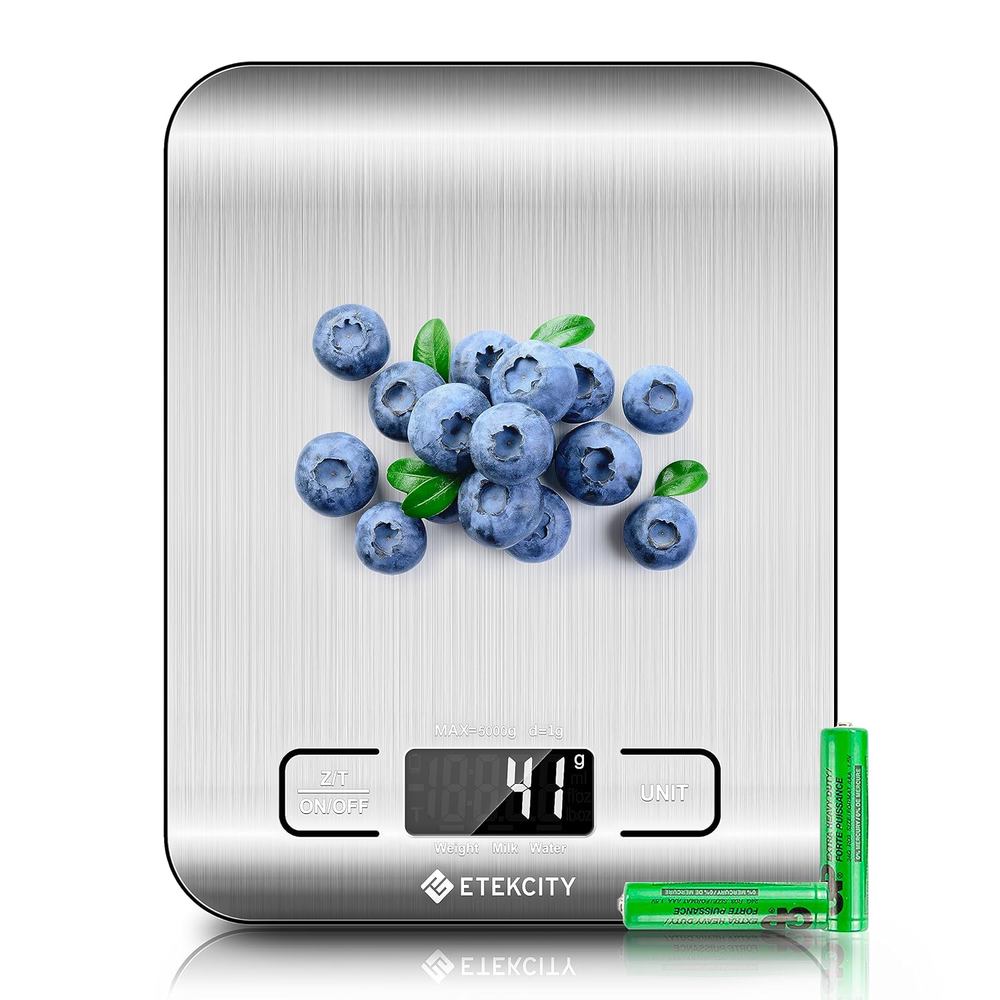
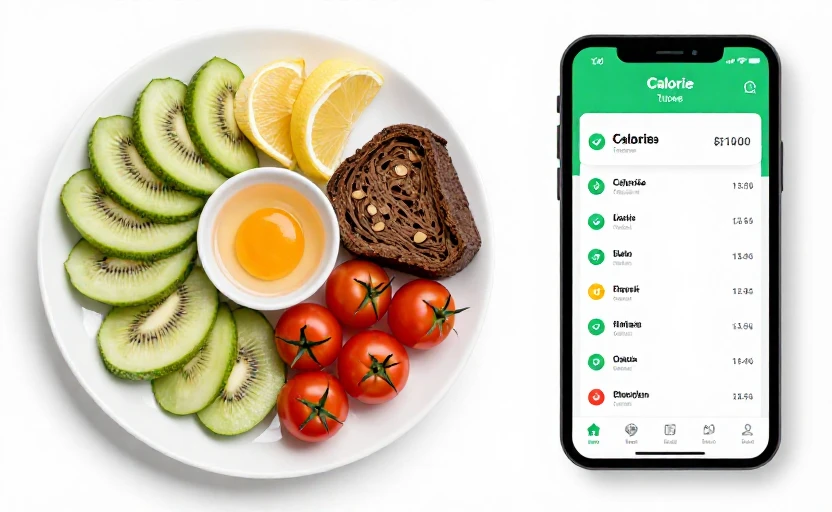
This approach requires more upfront work. You’ll likely use a food scale and a tracking app to measure portions and log your intake. You become aware of the calorie density of foods—learning, for instance, that a tablespoon of olive oil has roughly the same calories as two cups of leafy greens. This knowledge can be powerful, revealing patterns and “hidden” sources of calories in your diet that you might otherwise overlook.
The precision is both its superpower and its potential pitfall. It offers clear, objective feedback, which can be motivating. But it can also become obsessive for some, turning food into mere numbers and stripping away the joy of eating. It demands a higher level of engagement and can feel impractical in social situations or when eating meals you didn’t prepare yourself.
Comparing the mindsets
The psychological experience of these two methods differs significantly. Portion control fosters an intuitive relationship with food. It asks you to trust the framework and your own sense of fullness. The learning curve is about recognizing visual sizes and understanding food groups. Success feels like eating a balanced plate without overthinking it.
Calorie counting, in contrast, cultivates an analytical mindset. It’s about accuracy, planning, and data. Success is hitting your numerical target. This can provide a tremendous sense of control and certainty, which is very appealing to some personalities. For others, that same need for control can become a source of anxiety.
Think about your own tendencies. Do you prefer guidelines or spreadsheets? Does the idea of weighing food feel empowering or burdensome? Your honest answer is a strong clue to which path will be more sustainable for you.
Flexibility in real life
Portion control is inherently flexible. At a restaurant, you can eyeball your plate using the hand method. At a friend’s dinner party, you can apply the plate-balancing principle without pulling out your phone. It travels well and adapts to almost any eating situation.
Calorie counting is more rigid in social settings, though not impossible. It requires estimation for unmeasured foods, which introduces error. Many people find they stick to counting strictly during the week but use a more relaxed, portion-aware approach on weekends. This hybrid model can offer a balance between structure and flexibility.
Potential drawbacks to consider
No strategy is perfect, and being aware of the limitations helps you navigate them.
With portion control, the main challenge is the lack of specificity. A “palm-sized” piece of salmon and a “palm-sized” piece of steak have different calorie and macronutrient profiles. If your progress stalls, it can be harder to pinpoint why without more data. This method also requires a basic understanding of nutrition to build a balanced plate; it’s less effective if your portions are all from one food group.
Calorie counting has its own set of cautions. It can lead to an unhealthy fixation on numbers, potentially crowding out attention to food quality, hunger signals, and satisfaction. There’s also a risk of developing a “budget” mentality, where you “spend” calories on low-nutrient foods, leaving little room for the vitamins and minerals your body needs. The quality of the calories matters just as much as the quantity.
Focusing solely on calories can sometimes mean missing the forest for the trees—the overall nutritional picture.
Which approach is right for you?
Your lifestyle, personality, and goals should guide your choice. Ask yourself a few key questions.
- What is your relationship with numbers and tracking? If you find data motivating and aren’t prone to obsession, calorie counting might work well. If numbers stress you out, portion control is likely a better fit.
- How much time and mental energy can you dedicate? Calorie counting is a time investment. Portion control is a skill you learn and then apply almost automatically.
- What are your primary eating environments? If you eat out often or share family meals, portion control’s flexibility is a major advantage. If you prepare most of your own meals, calorie counting is more feasible.
- What is your long-term vision? Think about which method you can imagine still using in a year. Sustainability is the ultimate key to success.
For many, the journey starts with one and may incorporate elements of the other over time. You might begin with calorie counting to educate yourself on portion sizes and calorie density, then transition to a portion-control framework for maintenance. Or you might use portion control as your daily baseline and count calories periodically for a check-in.
Building a sustainable habit
Whichever path you choose, the foundation is the same: mindfulness. Pay attention to how different foods make you feel. Eat slowly. Stop when you’re comfortably full, not when your plate is empty or your app says you’ve hit a number.
Both strategies are tools, not punishments. They are meant to serve your health, not to create a rigid system of rules that removes pleasure from eating. The best diet is always the one you don’t feel like you’re on—the one that simply feels like the way you eat.
Listen to your body. It often has more wisdom than any app or guideline. Your hunger, energy, and overall well-being are the most important metrics of all.