
The Hidden Trigger: How Sleep Disruption Signals Postpartum Mood Risk
Sleep disruption after childbirth can be an early warning sign of postpartum mood disorders. Learn how broken rest signals risk and when to seek help.
Discover articles, guides, and practical insights for a healthier lifestyle.
Sleep disruption after childbirth can be an early warning sign of postpartum mood disorders. Learn how broken rest signals risk and when to seek help.

Learn the 4 signs your sleep latency is too long — including racing thoughts and delayed drowsiness — and what it means for your overall health and recovery.

Sleep dietitians reveal three common foods that can keep you awake at night: heavy fats, hidden caffeine, and sugary snacks. Simple swaps may help.

Four common sleep disorder myths debunked by research: the 8-hour rule, melatonin safety, nighttime waking, and alcohol as sleep aid. Evidence-based realities inside.

Learn how a bedtime snack of tart cherries and protein can help lower cortisol and improve sleep quality, plus other nutrient-rich options and timing tips.

Caffeine and stress both disrupt sleep, but each leaves distinct clues. Learn how to tell them apart with practical self-tests, pattern tracking, and targeted solutions for better rest.

Use these three expert-backed strategies to evaluate sleep supplements safely—from third-party testing to matching ingredients to your sleep pattern.

Anxiety can hijack sleep in predictable ways. Learn the three most common triggers—racing thoughts, cortisol spikes, and conditioned arousal—and how to manage them.
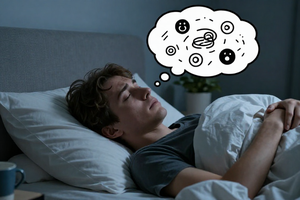
Six clear signs that stress or anxiety is causing your insomnia, including racing thoughts, early waking, tension, nightmares, and unrefreshing sleep.


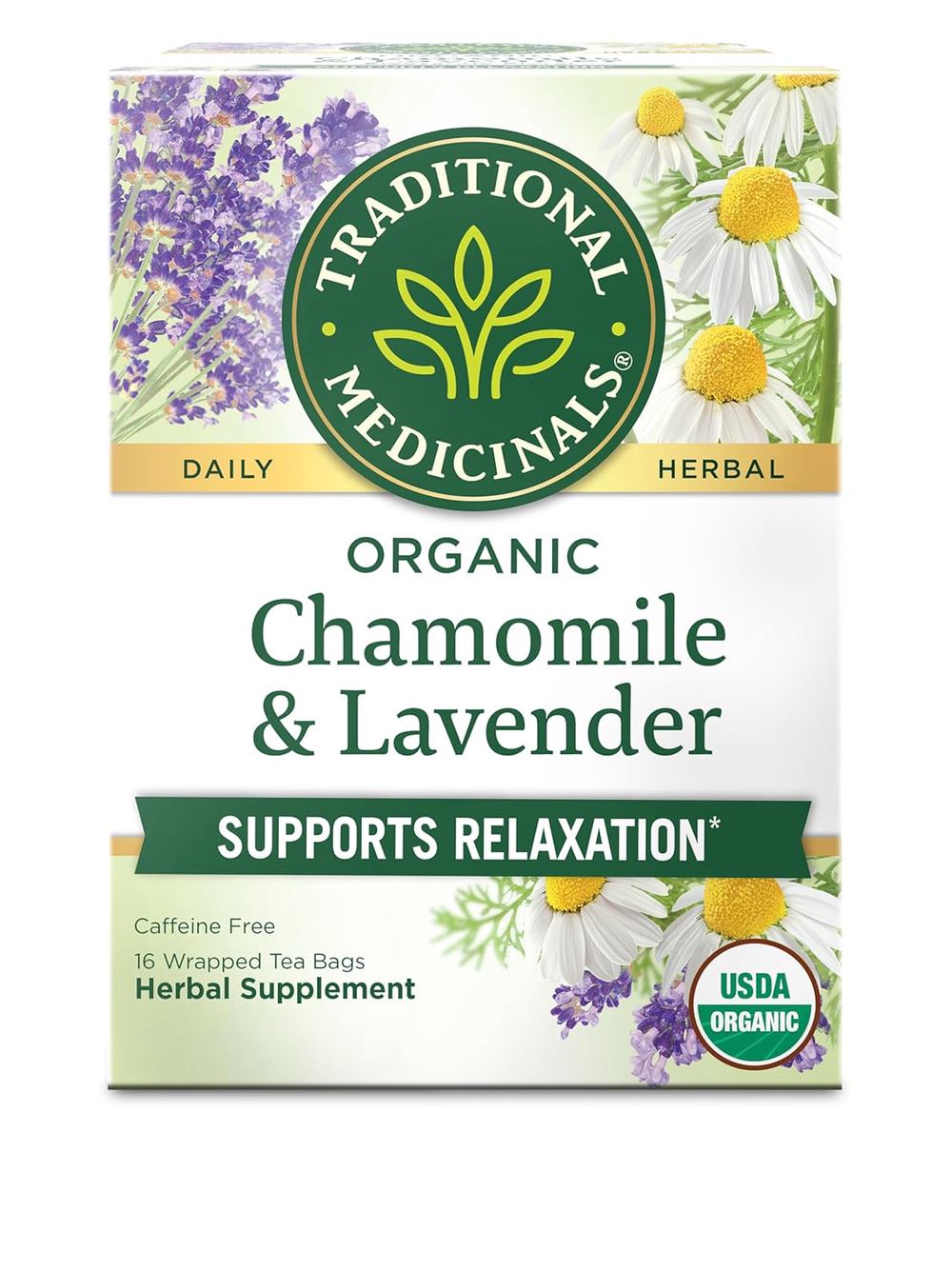
Traditional Medicinals Organic, Chamomile & Lavender - Chamomile Tea Supporting Stress Relief and Relaxation - Kosher, Non-GMO, Caffeine-Free, Compostable - 16 Tea Bags
Check it out


Nestle Toll House 100% Pure Cocoa Perfect for Baking, No Preservatives, Artificial Flavors or Colors, Baking Cocoa (8oz)
Check it out