Walking the aisles of a wellness store—or scrolling a supplement website—can feel overwhelming when you are looking for something to help you sleep. Bottles promise “deep rest,” “rapid onset,” and “natural tranquility.” But without a clear framework, it is easy to pick a product based on a pretty label or a single buzzy ingredient. That is a gamble you do not want to take when it comes to your nightly biology.
Below are three practical, expert-backed strategies to help you filter through the noise and choose a sleep supplement that aligns with safety, transparency, and your specific needs. These are not prescriptions or dosage guidelines. Rather, they are decision-making tools rooted in what sleep medicine and supplement science tell us about responsible use.
Strategy 1: Look for third-party testing seals, not just marketing claims
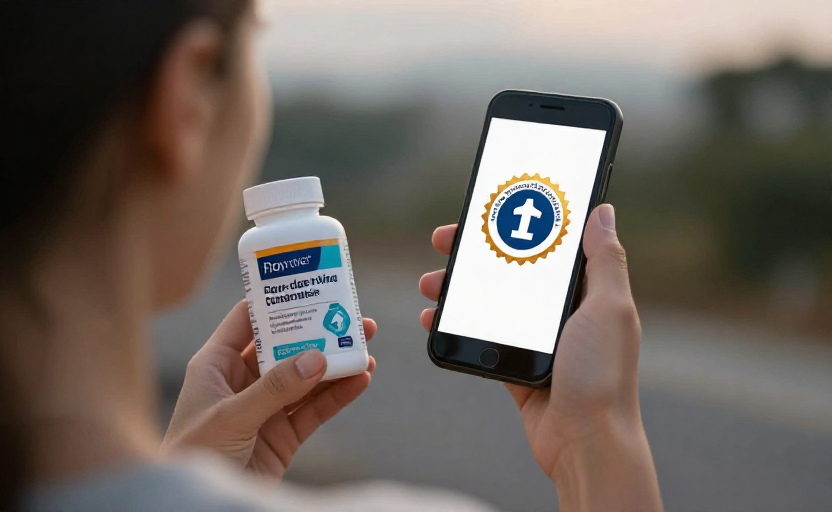
Supplements are not reviewed by the FDA for safety or effectiveness before they hit the shelf. That means the brand itself is responsible for quality control. The single most reliable shortcut you can use is a third-party certification seal from an organization like USP (U.S. Pharmacopeia), NSF International, or ConsumerLab. These seals tell you that an independent lab has verified that the product contains what it says on the label, in the stated amounts, and without harmful contaminants.
Quick tip: If a product does not display a third-party seal on the bottle or website, check the brand’s FAQ or “Quality” page. Some manufacturers list their certifications there. No seal and no mention of independent testing is a yellow flag.
A study published in the Journal of Clinical Sleep Medicine found that melatonin gummy products varied wildly in actual melatonin content—some contained no detectable melatonin at all, while others had more than three times the labeled amount. A third-party seal does not guarantee a product will work for you, but it dramatically reduces the risk of getting an inaccurate or contaminated product.
Strategy 2: Identify the active ingredients and match them to your sleep pattern
Not all sleep supplements target the same aspect of sleep. A product that helps you fall asleep faster may do nothing for staying asleep, and vice versa. Before you buy, read the supplement facts panel and identify the active ingredients. Then, ask yourself what kind of sleep difficulty you actually experience.
If you struggle to fall asleep (sleep onset insomnia)
Look for ingredients with evidence supporting reduced sleep latency. Common options include:
- Melatonin: Best for circadian rhythm disruptions (jet lag, shift work). Not a sedative per se, but a timing signal. Small doses (0.5–3 mg) are often sufficient.
- L-theanine: An amino acid found in green tea that promotes relaxation without drowsiness. Often paired with magnesium or glycine.
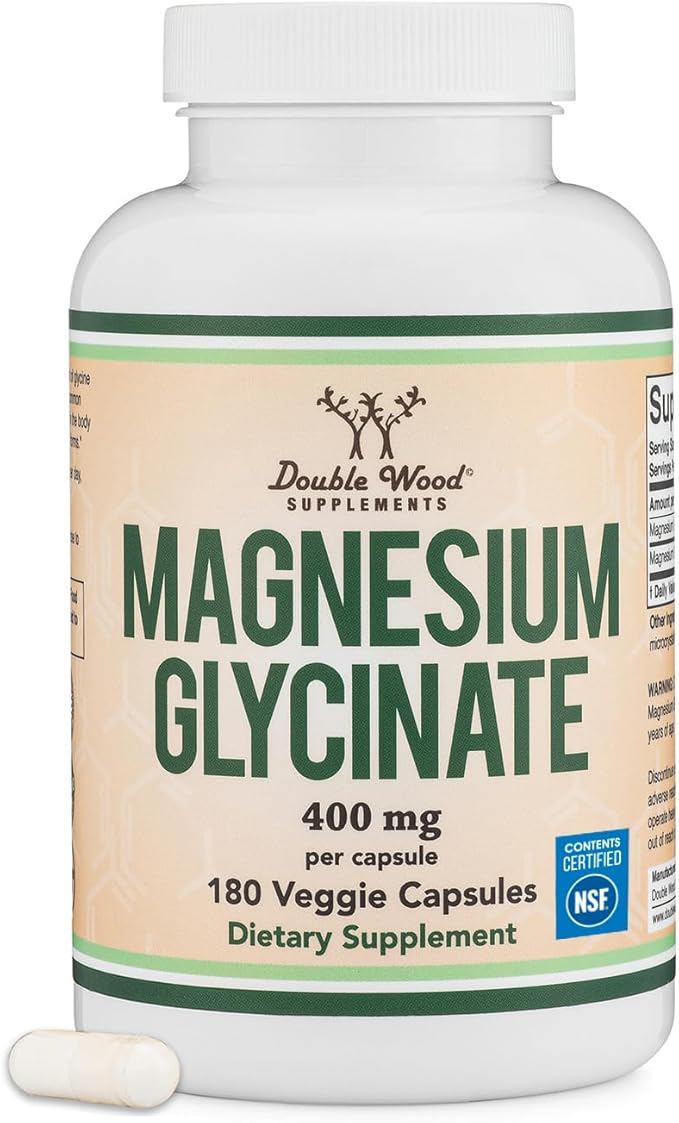
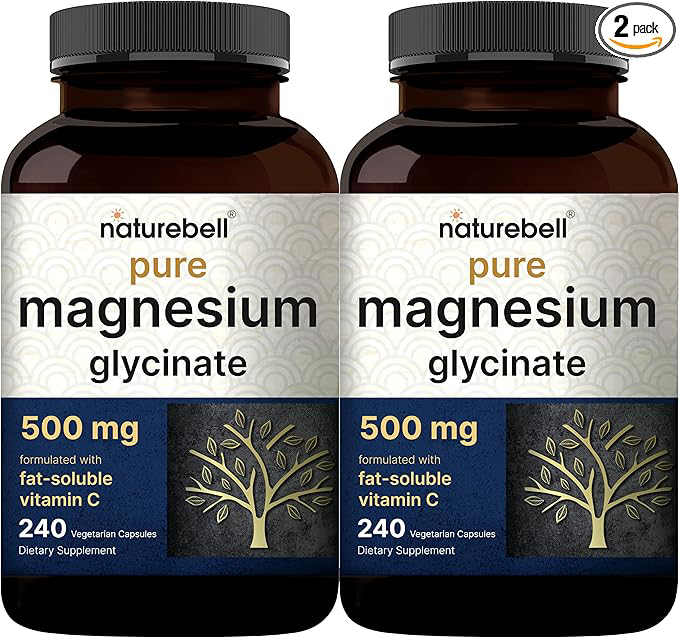
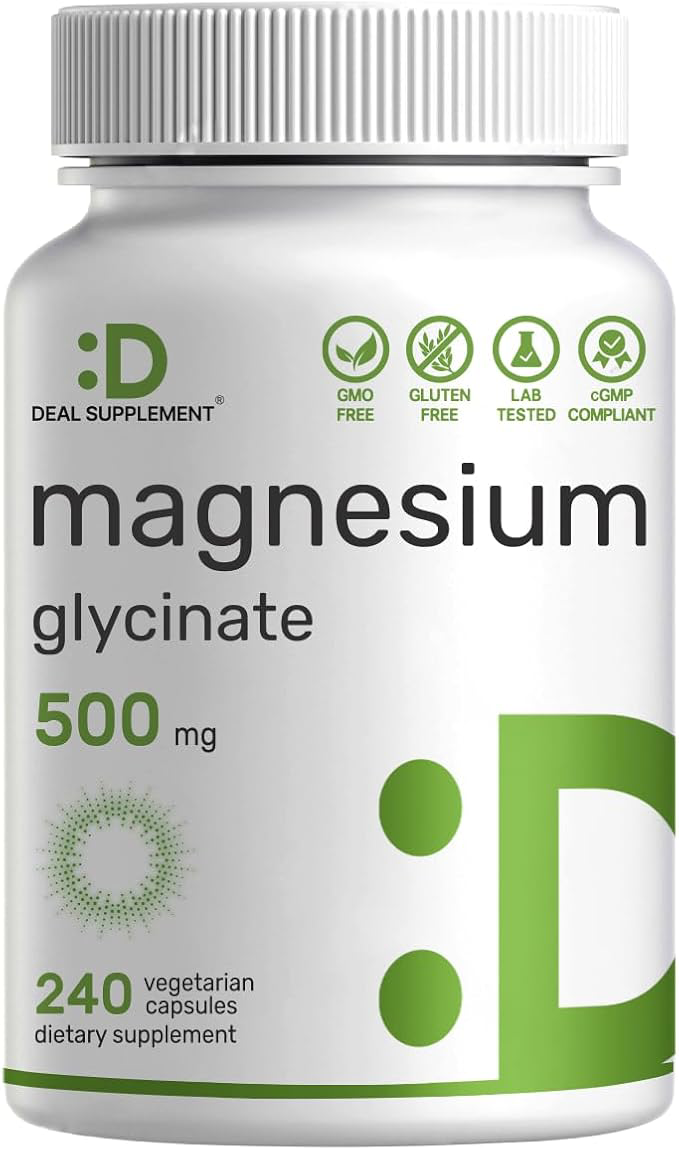
- Magnesium glycinate: Magnesium bound to glycine, both of which have calming effects on the nervous system.
If you wake up during the night or feel unrested (sleep maintenance issues)
Some ingredients may support deeper, more continuous sleep:
- Glycine: An amino acid shown in small studies to improve subjective sleep quality and reduce daytime sleepiness after poor sleep.
- GABA: A neurotransmitter that inhibits overactive brain signals. Oral GABA is debated in research, but some people report benefit.
- 5-HTP: A precursor to serotonin and melatonin. More often used for mood and sleep quality, but it can interact with antidepressants—caution advised.
Write down your primary sleep complaint before you shop. If your issue is waking up at 3 a.m. with a racing mind, a low-dose melatonin gummy is unlikely to help. A glycine or magnesium glycinate product might be more relevant.
Strategy 3: Check for unnecessary additives and filler ingredients
A safe supplement is not just about the active ingredients—it is also about what is not in the capsule. Sleep supplements often contain a long list of binders, flow agents, artificial flavors, and sweeteners. Some of these can cause digestive discomfort or interfere with sleep quality for sensitive individuals.
Turn the bottle over and scan the “Other Ingredients” list. Here is what to watch for:
- Added sugars and syrups: Common in gummy sleep aids. A single gummy can contain 2–3 grams of sugar. That may not matter for everyone, but nighttime blood sugar spikes can disrupt deep sleep cycles.
- Artificial dyes (Red 40, Yellow 5, Blue 1): These are purely cosmetic. Some people have sensitivities that affect mood or focus.
- Magnesium stearate and silicon dioxide: Generally safe flow agents, but if you have a sensitive gut, you may prefer products that skip them.
- Proprietary blends: These are mixtures where the brand hides individual ingredient doses behind a single total weight. Avoid them for sleep supplements. You need to know exactly how much of each active ingredient you are taking.
A good rule of thumb: the shorter the ingredient list, the easier it is to evaluate. If you see a dozen ingredients you cannot pronounce, consider a simpler formulation—especially if you plan to take it nightly.
Choosing a sleep supplement is not about finding a magic pill. It is about making an informed choice that aligns with your biology, your schedule, and your safety. Start with third-party verification, match the ingredients to your actual sleep pattern, and keep the formula clean. That combination gives you the best chance of a restful night without unnecessary guessing.