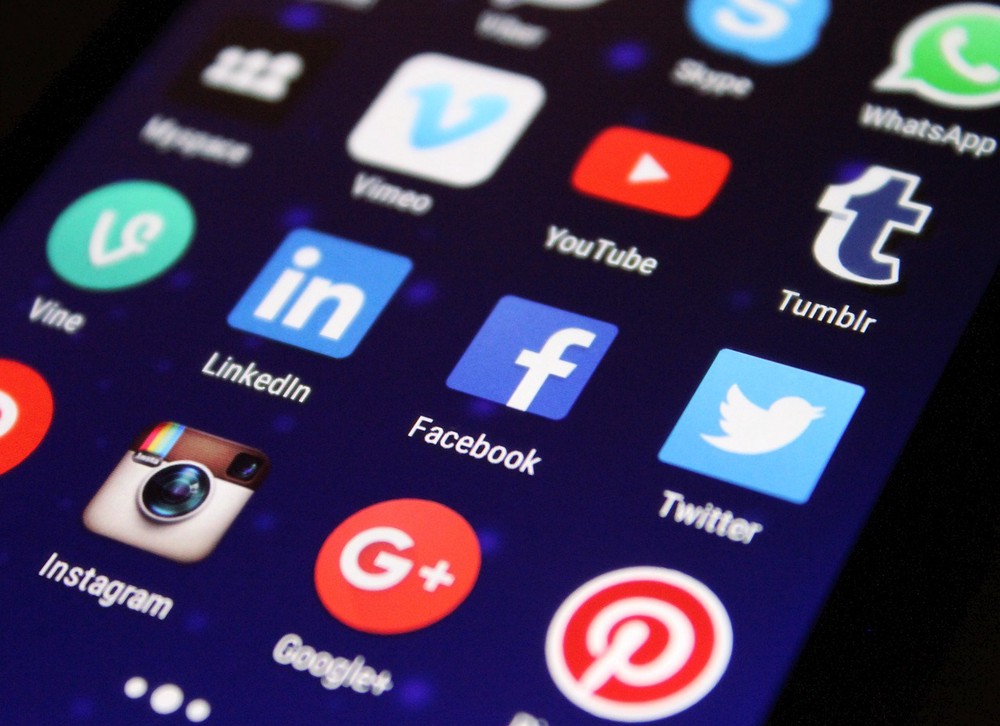
You open an app to check one thing, and thirty minutes later you feel heavy, restless, or inexplicably down on yourself. If that sounds familiar, you're not alone. Social media anxiety isn't a formal diagnosis, but it's a very real experience — and it's often driven by habits we barely notice. The good news? Once you see the patterns, you can start changing them.
Let's look at two specific mistakes that tend to fuel that restless, comparing, on-edge feeling — and what to do instead.
Mistake #1: Using social media as a measuring stick
It's almost automatic: you see a friend's vacation photos, a colleague's promotion announcement, or a stranger's perfect-looking morning routine. Before you know it, your own life feels smaller. This is the comparison trap, and it's arguably the most common source of social media anxiety.
The problem isn't that you're weak or jealous — it's that your brain wasn't designed to process thousands of curated highlights from hundreds of people every day. In real life, you see your neighbor's messy kitchen. On social media, you only see the staged living room. When you compare your everyday reality to everyone else's best moments, you're fighting a losing battle.
“Comparison is the thief of joy” — and social media hands it a master key.
This habit keeps your nervous system in a low-grade state of insecurity. You might not even feel the anxiety as a sharp spike — it's more like a dull hum of 'not enough.' Over time, that erodes self-esteem and leaves you feeling disconnected from your own life.
The fix: scroll with intention
Start by noticing what triggers that sinking feeling. Mute or unfollow accounts that consistently make you feel inadequate — even if they're friends. Curate your feed toward content that teaches you something, makes you laugh, or simply feels neutral. When you catch yourself comparing, say out loud: “I’m seeing their highlight reel, not their real life.” It sounds simple, but naming the illusion helps break the spell.
Mistake #2: Doomscrolling — feeding the threat response
It starts with one alarming headline. Then another. You scroll to stay informed, but the content keeps getting darker. Before you know it, you've spent an hour absorbing news about conflict, climate disasters, or political turmoil. This is doomscrolling, and it's a fast track to anxiety.
From a biological standpoint, your brain treats negative news like a potential threat. It releases cortisol, the stress hormone, to keep you alert. The problem is that there's no physical threat to fight or flee from — so the stress has nowhere to go. It accumulates, making you feel tense, helpless, and mentally fried.
The irony? You keep scrolling because you want to understand or prepare. But endless exposure to negative information rarely leads to clarity — it leads to overwhelm.
The fix: set boundaries around news consumption
Give yourself permission to be less informed. You do not need to read every update in real time. Try these small shifts:
- Check news once or twice a day from a specific source, not from a feed that never ends.
- Use app timers or schedule 'no-phone' blocks — especially the first hour after waking and the last hour before bed.
- When you feel the pull to keep scrolling through bad news, pause and ask: “Is this helping me or just making me anxious?”
If the answer is 'just making me anxious,' close the app. Step outside. Make tea. Call a friend. The news will still be there later — but your nervous system needs a break.
Why these two mistakes hit different people differently
Not everyone feels anxious after scrolling. Some people scroll for hours and feel fine. That's because our brains have different sensitivities: people prone to perfectionism may fall harder into the comparison trap, while those with a high sensitivity to negativity may experience more doomscrolling fallout. Knowing your own tendencies helps you spot which mistake is your biggest trigger.
There's also a feedback loop at play. When you feel anxious, you're more likely to scroll for relief — but scrolling often makes the anxiety worse. Recognizing this loop is the first step to breaking it.
What to do instead: build a healthier scroll practice
You don't have to quit social media to feel better. But you do need to use it differently. Here are a few practical shifts that help:
- Set a purpose before you open an app. Are you checking for a message from a friend? Looking up an event? Decide before you unlock the phone, and close the app once you've done it.
- Create 'no comparison' zones. Follow accounts focused on hobbies, art, or education — not lifestyle influencers unless they genuinely uplift you.
- Use a one-sentence check-in. After you scroll, ask: “How do I feel right now?” If the answer is tired, envious, or on edge, that's a signal to step back.
- Replace passive consumption with active connection. Send a friend a DM instead of just liking their post. Comment something real. Connection reduces anxiety; passive consumption feeds it.
Social media itself isn't the enemy. It's the way we use it — often on autopilot — that accidentally triggers anxiety. By catching these two mistakes, you can reclaim your feed as a tool that serves you, not one that drains you.