Your liver works tirelessly, a silent partner in your health that filters everything you consume. Unlike other organs, it often doesn't signal distress until a problem is advanced. This quiet resilience is precisely why proactive care through mindful nutrition is so powerful. A liver-cleansing diet isn't about extreme juice fasts or restrictive protocols; it's a sustainable approach to eating that supports your liver's natural, daily detoxification processes by reducing its workload and providing the nutrients it needs to thrive.
The goal is nourishment, not deprivation. By incorporating specific, whole foods into a balanced diet, you can help your liver perform its essential functions—processing nutrients, filtering toxins, producing bile, and regulating metabolism—with greater ease.
How Your Diet Directly Supports Liver Health
Think of your liver as your body's primary filtration plant. Every substance absorbed from your digestive tract passes through it. A diet high in processed foods, unhealthy fats, and added sugars can overwhelm this system, leading to fat accumulation and inflammation. Conversely, a diet rich in certain nutrients provides the raw materials your liver uses to neutralize and eliminate waste products. These foods don't "detox" your liver in a magical sense; they empower your liver to do its own job more effectively.
Key Foods to Include in a Liver-Supportive Diet
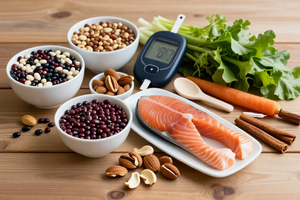
Building your meals around these food groups can create a foundation for long-term liver health.
Turmeric and Its Active Compound
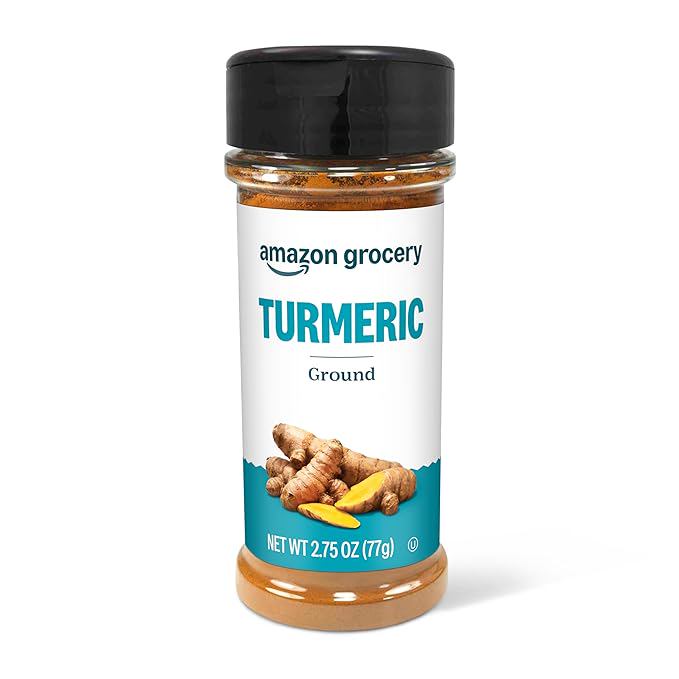
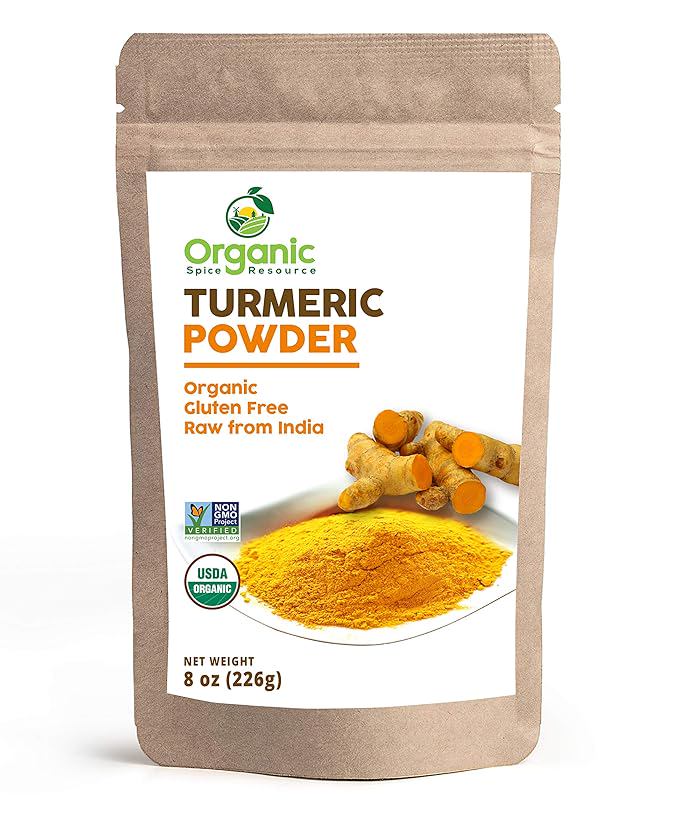
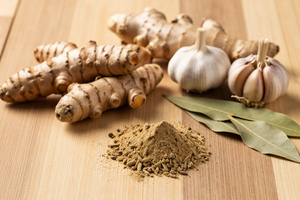
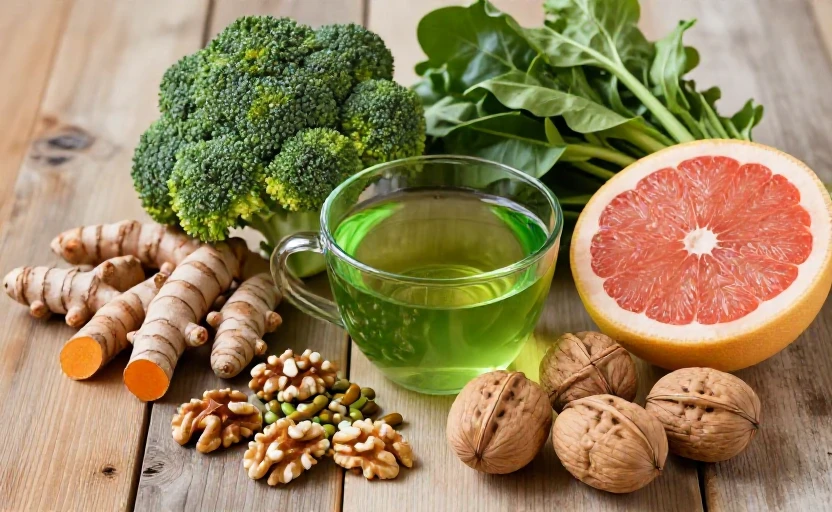
The vibrant yellow spice turmeric, and specifically its compound curcumin, has been celebrated in traditional wellness practices for centuries. Research suggests curcumin may support liver health by encouraging the production of enzymes that help flush out dietary toxins and by promoting the flow of bile, which is essential for digesting fats. A pinch of black pepper with turmeric can enhance your body's absorption of curcumin.
Cruciferous Vegetables and Leafy Greens
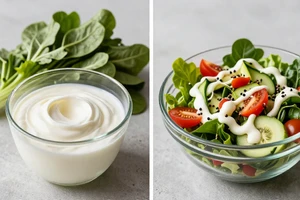
Vegetables like broccoli, cauliflower, Brussels sprouts, kale, and spinach are powerhouse allies. They are rich in fiber, which helps bind and remove waste, and contain compounds like glucosinolates that support the liver's detoxification pathways. Their high antioxidant content also helps protect liver cells from damage.
Beetroot is a particularly notable choice. It's a natural source of betalains, antioxidants that may help reduce inflammation, and it supports healthy bile flow, which aids in digestion and elimination.
Healthy Fats and Omega-3s
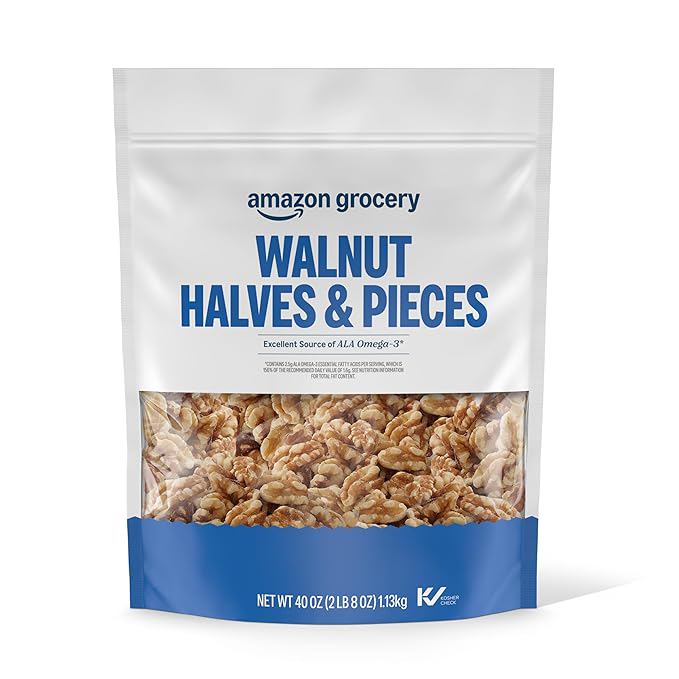
Not all fats are created equal. Replacing saturated and trans fats with healthier options reduces the liver's fat-processing burden. Sources like olive oil, avocados, and walnuts provide anti-inflammatory fats. Walnuts are doubly beneficial, as they also contain arginine, an amino acid that assists in detoxifying ammonia, a waste product.
Citrus Fruits and Berries
Grapefruit, oranges, lemons, and berries are loaded with vitamin C and antioxidants like naringenin and anthocyanins. These compounds are thought to help the liver synthesize toxins into water-soluble forms that can be easily excreted from the body.
Tea, Especially Green Tea
Green tea is a rich source of catechins, a type of antioxidant. Studies indicate that these catechins may help support healthy liver enzyme levels and protect against oxidative stress. Enjoying a few cups of green tea throughout the day is a simple, hydrating way to incorporate these benefits.
High-Fiber Whole Grains
Swapping refined grains for whole grains like oats, quinoa, barley, and millet increases your fiber intake. This not only aids digestion but also helps manage cholesterol levels, indirectly supporting liver function by improving overall metabolic health.
Lifestyle Habits That Complement Your Diet
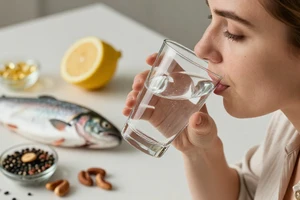
Nutrition is the cornerstone, but it works best alongside other healthy choices. Staying well-hydrated with water is crucial, as it helps your kidneys flush out the waste your liver has processed. Regular physical activity helps manage weight and reduce liver fat. Perhaps most importantly, moderating or avoiding alcohol is one of the most significant steps you can take, as alcohol is processed directly by the liver and can cause substantial damage over time.
Remember, the most effective "detox" is a consistent, balanced approach. There's no single food that acts as a cure-all. Instead, focus on creating a varied, colorful plate full of whole foods, drinking plenty of water, and maintaining habits that reduce your overall toxic load. This steady, supportive care is what allows your liver—and you—to feel your best.