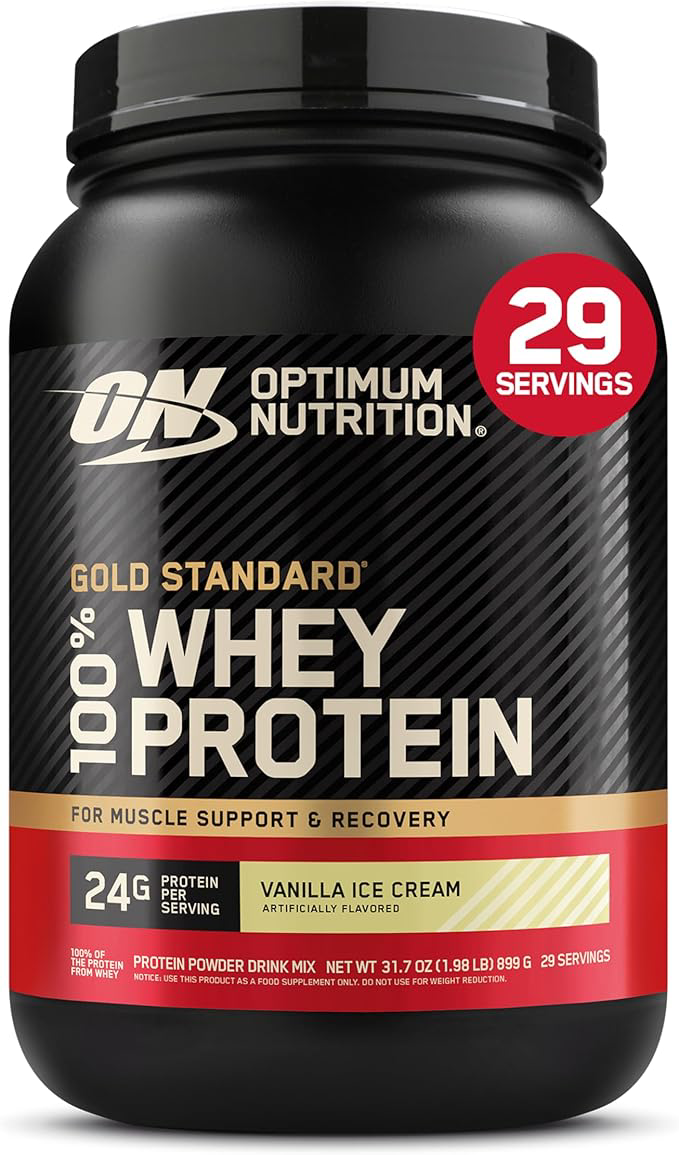

We often think of hydration and protein as separate goals—drink water to stay refreshed, eat protein to build muscle. But in your body, they are deeply connected partners. Water isn't just a passive bystander; it's an active participant in how you process, absorb, and utilize the protein you consume. Without adequate hydration, even the most carefully planned high-protein diet can fall short of its potential for supporting muscle health and overall wellness.
This relationship goes far beyond simply washing down a protein shake. Water is integral to the entire journey of a protein molecule, from the moment you take a bite to its final role in repairing and building your body's tissues. Understanding this synergy can help you make more informed choices about your daily fluid and nutrient intake.
How does water help your body digest and absorb protein?
Digestion begins in your mouth, where saliva—which is mostly water—starts to break down food. As protein moves to your stomach, water continues to be essential. Gastric juices, rich in water and hydrochloric acid, create an environment where enzymes can begin unraveling complex protein structures into smaller chains called peptides.
The real heavy lifting happens in the small intestine. Here, pancreatic enzymes and intestinal secretions, again water-based, further break peptides into individual amino acids. These amino acids are the building blocks your body can actually use.
Think of water as the transport system for your nutrients. It dissolves amino acids, allowing them to pass through the intestinal wall and into your bloodstream.
Without sufficient water, this process becomes sluggish. Digestion can slow down, potentially leading to discomfort, and the absorption of amino acids may be less efficient. It's like trying to move cargo without enough fluid in the delivery pipes.
Why is hydration crucial for muscle function and repair?
Once amino acids are absorbed, they travel via your blood—a fluid largely composed of water—to tissues like your muscles. Here, water's role shifts from transporter to a core component of the muscle cell itself.
Muscle tissue is approximately 75-80% water. This water is stored within muscle cells, and it's vital for several key functions:
- Maintaining muscle tone and elasticity: Proper hydration helps muscles stay supple and responsive, reducing the risk of strains and cramps.
- Facilitating biochemical reactions: The synthesis of new muscle protein from amino acids (a process called muscle protein synthesis) occurs in a water-based environment. Dehydration can hinder these essential repair and growth signals.
- Delivering nutrients and removing waste: Water brings oxygen and amino acids to working muscles and helps flush out metabolic byproducts like lactic acid that contribute to fatigue.
When you're dehydrated, muscles can become fatigued more quickly, recover more slowly from exercise, and may even appear less full or "flat" because the cells lose water volume.
Can drinking water improve your protein intake results?
If your goal is to support muscle health, whether through general activity or structured training, pairing your protein focus with consistent hydration can help you get more from your efforts.
Consider a high-protein meal or supplement. Its metabolism produces urea and other nitrogenous wastes that your kidneys must filter and excrete. Water is essential for this detoxification process. Drinking adequate fluids helps your kidneys efficiently remove these byproducts, reducing the strain on your body and potentially minimizing feelings of sluggishness sometimes associated with increased protein intake.
Furthermore, some research suggests that even mild dehydration can promote a catabolic state—where the body breaks down tissue—including increasing the stress hormone cortisol, which can negatively impact muscle protein balance. Staying hydrated helps create a more anabolic, or building-friendly, internal environment.
Hydration supports the entire protein lifecycle: from breaking it down, to using its parts, to cleaning up afterward.
Practical tips for syncing your hydration and protein habits
You don't need complex formulas to benefit from this connection. A few mindful habits can make a significant difference.
First, spread your fluid intake throughout the day. Don't wait for thirst, which is a late sign of dehydration. Keep a water bottle accessible. A good general guideline is to aim for at least half your body weight (in pounds) in ounces of water daily, adjusting for activity, climate, and individual needs.
Pair water with your protein-rich meals and snacks. Drink a glass of water with your meal, and continue sipping afterward. If you use protein supplements, mix them with water as directed, and follow up with additional plain water.
Listen to your body's signals. Dark yellow urine, dry mouth, headache, or unusual fatigue can indicate you need more fluids. Remember that water-rich foods like fruits, vegetables, and soups also contribute to your total daily hydration.
Ultimately, viewing hydration and protein as a synergistic duo, rather than two separate checkboxes, aligns with how your body naturally operates. Water enables protein to fulfill its purpose, from digestion to becoming part of your muscle fiber. By giving equal attention to both, you support your body's innate processes for nutrient absorption, muscle repair, and sustained energy, creating a solid foundation for long-term health and vitality.