Feeling hungry while trying to manage your weight is more than just an annoyance—it’s a primary reason many well-intentioned plans fall apart. That gnawing sensation isn't a sign of weak willpower; it's a biological signal. The good news is that you don't have to white-knuckle your way through the day. The key to sustainable eating isn't just about cutting calories, but about choosing foods that help you feel satisfied with fewer of them.
This approach centers on a simple concept: energy density. It refers to the number of calories in a given weight or volume of food. Foods with low energy density provide fewer calories per gram, meaning you can eat a larger, more visually and physically satisfying portion for the same calorie budget. By filling your plate with these high-volume, nutrient-rich options, you can quiet hunger pangs, meet your nutritional needs, and create a eating pattern that feels generous, not restrictive.
What makes a food high-volume?
High-volume foods have a few things in common. They are typically rich in two components: water and fiber. Water adds weight and volume without adding calories, which is why vegetables like cucumbers and lettuce are classic examples. Fiber, found abundantly in plants, absorbs water in your digestive tract, slowing down digestion and promoting a lasting feeling of fullness.
These foods also tend to be less processed. Processing often removes water and fiber while concentrating fats and sugars, dramatically increasing calorie density. A handful of grapes is a satisfying snack; a handful of raisins, their dried counterpart, packs the same sugar into a tiny, easy-to-overeat package with many more calories.
Four categories of foods to fill your plate
Instead of a rigid list, think in terms of these versatile categories. Mixing and matching them throughout your day is the most effective strategy for lasting satiety.
Non-Starchy Vegetables
This is your foundational volume layer. Think leafy greens, broccoli, cauliflower, bell peppers, zucchini, mushrooms, and tomatoes. They are incredibly low in calories but high in bulk, fiber, vitamins, and minerals.
Start your meal with a large salad or a bowl of vegetable soup. This simple habit can significantly reduce the total calories you consume in the main course by taking the edge off your hunger.
Roast a big tray of mixed vegetables with herbs for a side dish, add spinach to smoothies, or use lettuce leaves as wraps instead of tortillas. The goal is to make them the star, not just a garnish.
Fresh Fruits
Fruits like berries, melon, oranges, and apples are nature's sweet, high-volume snacks. Their water and fiber content help manage the natural sugars. A whole apple, with its skin, is far more filling and slower to eat than the equivalent sugar in a glass of juice.
Frozen berries are a fantastic staple—they add cold volume to smoothies or can be thawed for a topping. Pairing fruit with a source of protein, like a few almonds or a scoop of Greek yogurt, can make the fullness last even longer.
Broth-Based Soups and Stews
Liquids can sometimes bypass our fullness signals, but not when the food itself is a liquid. Studies suggest that eating the same ingredients in a soup form leads to greater satiety than eating them separately with a glass of water. The hot broth and the physical act of spooning seem to trigger a stronger sense of having had a complete meal.
A vegetable-heavy minestrone, a chicken and vegetable stew, or a simple miso soup with tofu and seaweed are warming, hydrating, and expansive in the stomach.
Cooked Whole Grains and Legumes
While more calorie-dense than vegetables, foods like oatmeal, quinoa, brown rice, lentils, and black beans are excellent for sustained fullness. When cooked, they absorb a tremendous amount of water, increasing their volume. Their complex carbohydrates and fiber provide a slow, steady release of energy.
A bowl of oatmeal for breakfast can keep you satisfied for hours. Adding a can of beans to a salad or soup transforms it from a light bite into a hearty meal. The key is to watch portion sizes of these calorie-containing foods while appreciating the satisfying heft they provide.
Putting it into practice
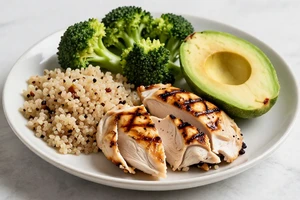
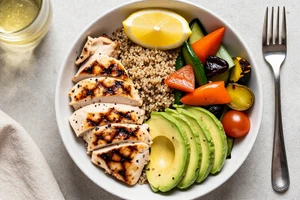
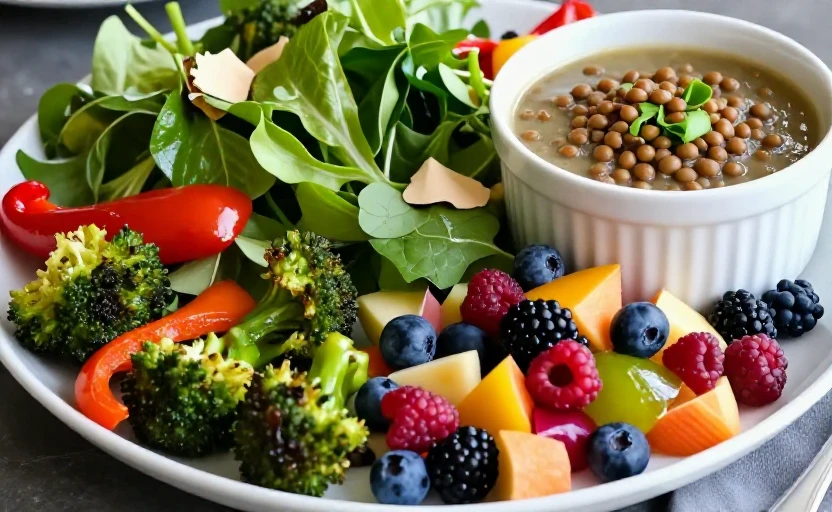
The magic happens in combination. A meal built on a base of leafy greens and roasted vegetables (high volume, low calorie), topped with a serving of grilled chicken or tofu (protein for satiety), and a side of lentils or quinoa (fiber-rich complex carbs) is a textbook example of a satisfying, calorie-conscious plate.
Pay attention to how you eat, too. Eating slowly and mindfully gives your brain time—about 20 minutes—to receive the fullness signals from your stomach. Putting your fork down between bites and chewing thoroughly aren't just old-fashioned advice; they're tools that allow the volume of food you've eaten to register.
Finally, remember that thirst can masquerade as hunger. Before reaching for a snack, try drinking a glass of water and waiting a few minutes. Staying well-hydrated is a simple yet powerful companion to a high-volume eating style.
Feeling full and satisfied on a diet isn't a luxury; it's a necessity for long-term success. By shifting your focus from what to restrict to what you can abundantly add, you build a way of eating that supports both your physical health and your peace of mind.