
For many of us, the bathroom scale holds an outsized power over our mood and motivation. A good number can feel like validation, while a disappointing one can derail an entire day's worth of healthy choices. But weight loss is a complex, nonlinear journey, and the scale tells only a sliver of the story. It measures the total force of gravity on your body—not your health, your strength, or the profound changes happening beneath the surface.
Shifting your focus from this single, often frustrating metric to a broader set of progress markers can transform your experience. It builds resilience, keeps you motivated during inevitable plateaus, and helps you celebrate the real, meaningful victories that have nothing to do with pounds.
Why the Scale Is an Incomplete Picture
Your weight naturally fluctuates daily due to factors like water retention, glycogen stores, digestive contents, and even hormonal cycles. A salty meal, a tough workout that causes inflammation, or stress can easily mask fat loss with temporary water weight. Furthermore, as you build muscle through exercise—a positive change—muscle tissue is denser than fat. You might be losing inches and gaining strength while the number on the scale stays stubbornly the same, a phenomenon often called "body recomposition."
Relying solely on the scale is like judging a book by its cover weight—you miss the entire narrative inside.
How Your Clothes Fit and Feel
This is one of the most immediate and tangible signs of progress. That pair of jeans that used to be uncomfortably tight now buttons with ease. A shirt feels looser across the shoulders or back. You might find yourself pulling up your pants more often or needing to use a new notch on your belt.
Pay attention to the feel, not just the fit. Do you have more energy moving through your day? Can you bend over to tie your shoes without holding your breath? These subtle shifts in how your body moves in your clothing are powerful, everyday reminders of change.
Taking Body Measurements
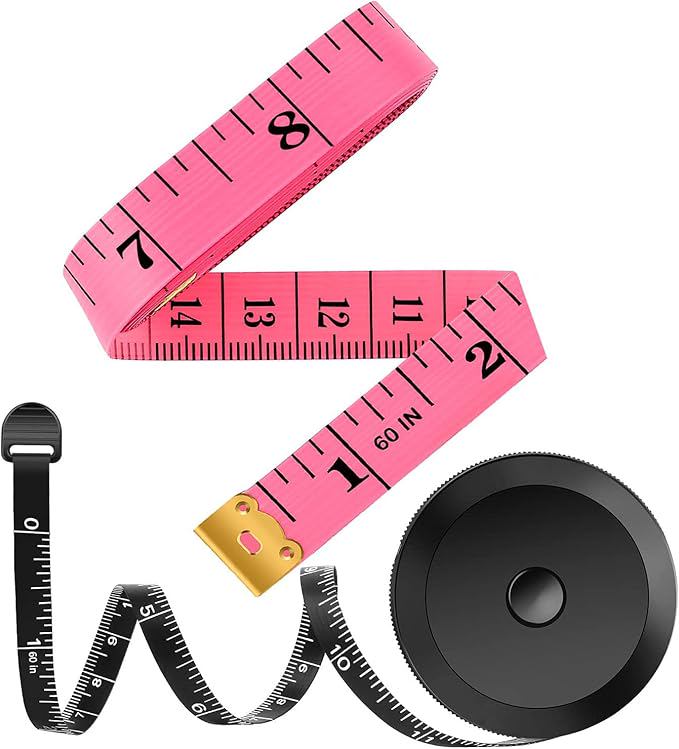
If the scale is a blurry snapshot, measurements are a detailed map. Using a simple soft tape measure, you can track the specific areas where your body is changing. Common spots to measure include the chest, waist (at the narrowest point, or just above the navel), hips (at the widest part of the buttocks), and each thigh and upper arm.
Consistency is key. Measure at the same time of day (morning is often best), under the same conditions (before eating), and without pulling the tape too tight. Taking these measurements every 4-6 weeks, rather than daily, will show you a clearer trend. You may be thrilled to discover you've lost two inches from your waist, even if the scale has only moved a pound.
Progress Photos: Your Visual Timeline
Our minds adjust to our changing bodies so gradually that we often don't see the difference in the mirror. Progress photos cut through this visual bias. Take front, side, and back photos in consistent lighting, wearing similar form-fitting clothes (like a swimsuit or shorts and a tank top), and from the same distance.
Store them in a private folder and resist the urge to scrutinize them daily. Compare them monthly. The side-by-side comparison can be astonishing, revealing changes in posture, muscle definition, and overall shape that you feel but can't see day-to-day.
Strength, Stamina, and Fitness Gains
These markers celebrate what your body can do, not just what it weighs. They are direct feedback that your health is improving. Keep a simple log and notice patterns over weeks and months.
- Strength: Can you lift a heavier weight for the same number of reps? Carry full grocery bags more easily? Do more push-ups than you could a month ago?
- Stamina: Do you get less winded walking up stairs? Can you walk, run, or cycle for a longer duration or at a faster pace? Does your recovery after exercise feel quicker?
- Daily Energy: This is a subtle but profound shift. Do you have more consistent energy throughout the afternoon? Feel more alert and less reliant on caffeine?
Improvements in Health Markers
For many, weight loss is pursued for better health. Tracking these objective numbers, often with your doctor's help, provides powerful, scale-free evidence of success.
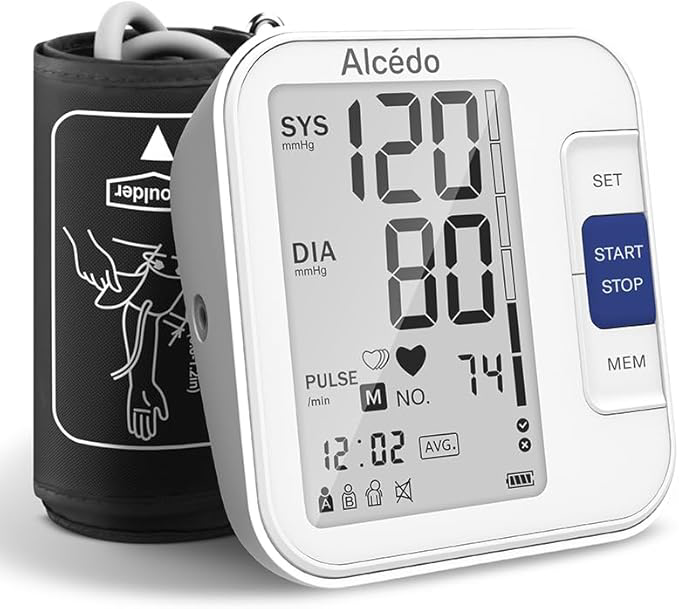
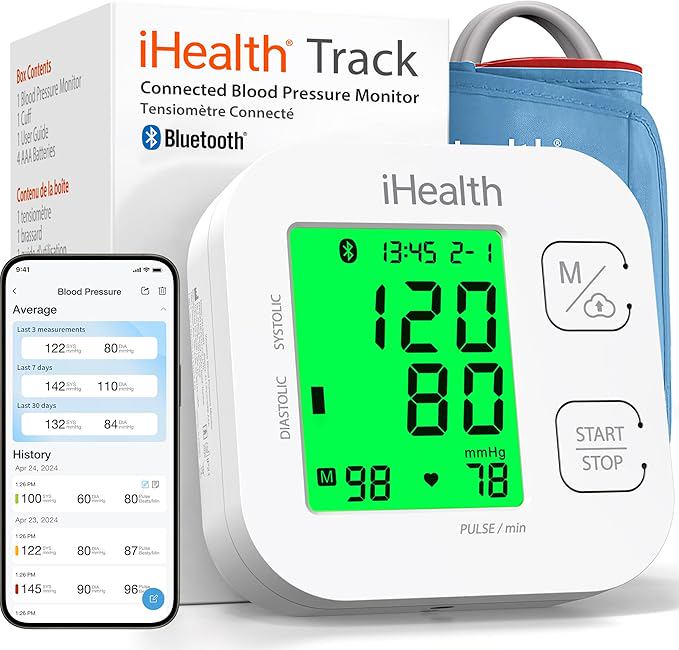
- Blood Pressure: Regular monitoring can show improvements as your diet and activity levels change.
- Blood Work: Improvements in cholesterol panels (like lower LDL and higher HDL), blood sugar levels, and triglycerides are monumental health wins.
- Resting Heart Rate: A lower resting heart rate often indicates improved cardiovascular fitness.
Shifts in Mindset and Habits
True, lasting change is rooted in behavior and perspective. These non-physical victories are the foundation that keeps progress sustainable. Celebrate when you notice yourself:
- Choosing nutritious foods because they make you feel energized, not out of restriction.
- Listening to your body's hunger and fullness cues more intuitively.
- Viewing exercise as a gift of movement for your body, not a punishment for eating.
- Bouncing back more quickly from an off-plan meal without spiraling into guilt.
- Simply feeling more confident and at home in your body, regardless of its size.
Building a holistic view of your progress protects your motivation and peace of mind. On weeks the scale doesn't budge, you can look at your measurement log, your workout journal, or a pair of well-fitting pants and know with certainty that you are moving forward. The journey toward better health is woven from many threads—the scale measures just one of them. By appreciating the full tapestry, you build a healthier, more compassionate, and ultimately more successful relationship with yourself and your goals.