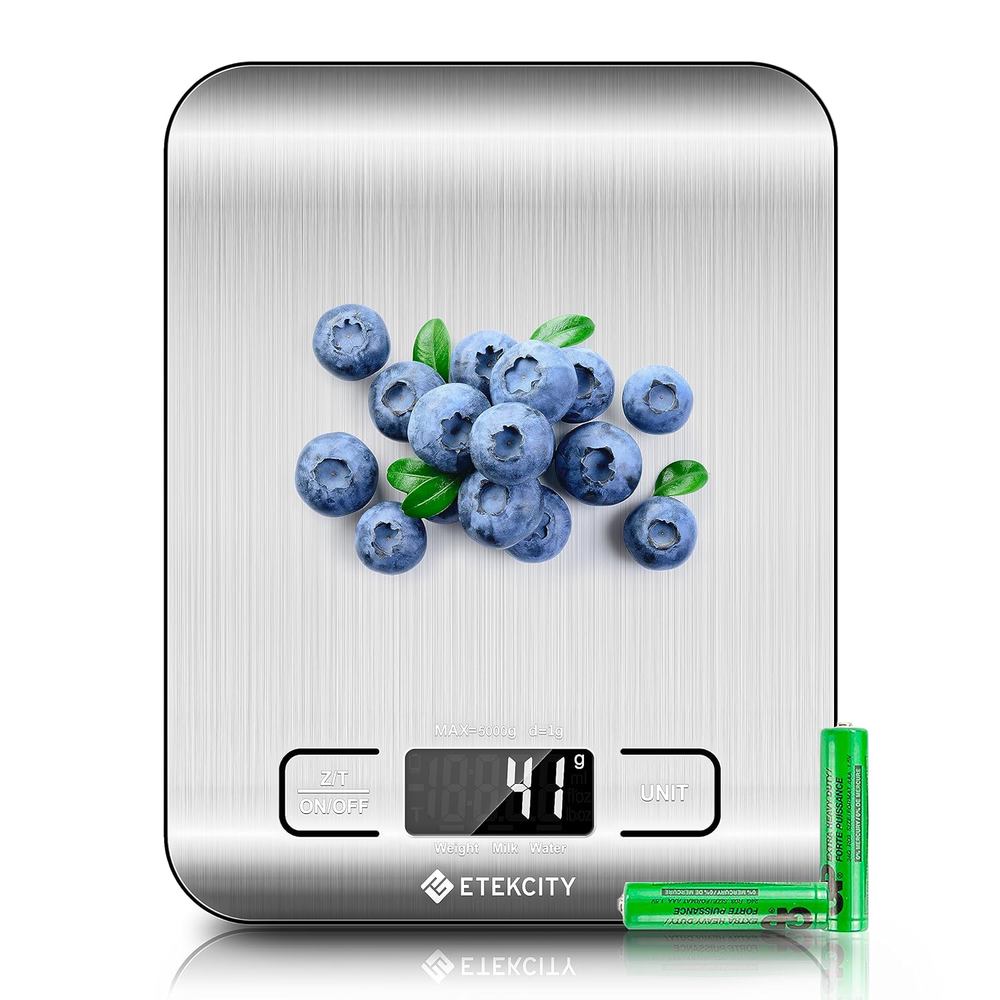

The scale flickers up. You added another food log entry and already feel guilty. For many people, the line between mindful tracking and full-blown obsession gets crossed without noticing. Dietitians see this pattern every day: a client starts with good intentions, downloads an app, and within weeks is anxious about a single slice of toast.
The real skill isn't tracking more—it's tracking better. Nutrition experts agree that sustainable progress depends on shifting your attention away from the microscopic details of every meal and toward broader, more reliable indicators of health. Here is exactly how to do that, without losing your mind or your progress.
Why Food Tracking Backfires for Some People
Logging meals can be a useful short-term educational tool. It reveals portion sizes, hidden sources of sugar, and eating patterns you might not notice otherwise. But the moment tracking becomes punitive—when you feel panic over a number or skip social events to stay within a calorie budget—it has stopped serving you.
Registered dietitian Sarah Johnson explains that the brain treats strict food monitoring like a scarcity signal. “When you obsess over every gram, you trigger a deprivation mindset,” she says. “That often leads to bingeing later, which creates a shame cycle.” The goal is to gather data without letting that data run your emotions.
Replace the Food Log with a Habit Log
One of the simplest shifts dietitians recommend is moving from a calorie log to a habit log. Instead of writing down what you ate, track whether you hit one or two key behaviors each day:
- Did you eat a protein-rich breakfast?
- Did you have at least five servings of vegetables?
- Did you drink water before your afternoon coffee?
- Did you eat without watching a screen?
These actions are within your control. The scale weight is not. When you focus on behaviors, you stop interpreting a 0.5-pound gain as a personal failure and start seeing it as a data point that has nothing to do with your effort.
Caveat: Habit logs work best if you limit them to three to five items. More than that turns into another chore.
Use Non-Scale Victories as Your Primary Metric
Weight fluctuates daily due to hydration, salt intake, sleep, and hormones. Dietitians urge clients to identify at least three non-scale victories (NSVs) that are more meaningful than pounds lost.
- Energy stability: Do you crash at 3 PM? Noticing steady energy across the day is a sign your fuel quality has improved.
- Clothing fit: A pair of jeans that feel looser around the waist is better feedback than any scale reading.
- Strength and stamina: Can you carry groceries easier? Walk up stairs without puffing? Those are real physiological changes.
- Digestive comfort: Less bloating, fewer food cravings, and regular bowel movements all indicate that your eating pattern is working.
Write one NSV down each week. Over a month, that list becomes powerful evidence of progress that no app can capture.
The “Once-a-Week” Weigh-In Rule
If stepping on the scale is part of your routine, dietitians suggest making it a weekly, not daily, event. Pick the same morning (say, every Tuesday after using the bathroom and before breakfast). This reduces noise from daily swings.
Even better, track weight trends instead of exact numbers. Apps like Happy Scale or Libra show a moving average line that smooths out random spikes. A single high reading is meaningless; a four-week trend that stays flat signals it is time to look at sleep, stress, or food composition—not a reason to panic.
Measure What You Can See and Feel
Numbers have a hypnotic pull, but your body gives you richer feedback. Once a month, take a waist measurement at belly-button level using a soft tape measure. Visceral fat loss often shows up here before the scale moves. Progress photos in consistent lighting and clothing also reveal changes that the mirror misses.
The key is to treat these as check-ins, not judgments. A photo is not a critique; it is a piece of data. Compare every eight to twelve weeks, not every morning.
Ask Yourself One Question After Meals
Dietitian Anna Taylor recommends a single self-check after eating: “How do I feel right now?” Rate fullness on a 1–10 scale mentally. Notice if you feel satisfied, bloated, sleepy, or energized. Over time, you build awareness without writing anything down. This subtle internal tracking is far more sustainable than any app.
Caveat: This technique works best when you are not distracted. Eating while scrolling dulls your ability to sense fullness.
When to Seek Professional Guidance
If the thought of not tracking every bite makes you anxious, that is a sign you might benefit from working with a registered dietitian who specializes in intuitive eating or weight-neutral approaches. Obsession around food tracking can edge into disordered eating patterns. A professional can help you build a healthier relationship with food data while still making progress toward your goals.
Tracking should feel like a compass, not a cage. By expanding your definition of progress and letting go of the need to know every number, you free up mental energy for the habits that actually drive lasting change.