You can put real care into selecting high-protein ingredients—chicken breast, lentils, paneer, eggs—and still end up with a meal that doesn't deliver the protein quality you expected. The problem isn't always what you buy; it's how you cook it. A few common kitchen habits can quietly damage protein structure or make that protein harder for your body to use. Recognizing these dietary mistakes is the first step toward getting the full nutritional value from every meal you prepare.
What lowers protein quality during cooking?
Heat changes protein on a molecular level. In small amounts, gentle cooking helps—it denatures proteins in a way that improves digestibility. Think of an egg white turning from clear liquid to firm white: that's controlled denaturation, and it's a good thing. But when heat is too high or applied for too long, that process goes further. Amino acids—the building blocks of protein—can degrade or form bonds with other molecules in ways that reduce how much of that protein your body can actually absorb and use.
The most overlooked culprit in Indian home cooking? Overheating cooking oil to the point of smoking, and then cooking protein in that damaged fat. The source article mentions that refined vegetable oils break down under high heat, forming free radicals. While the primary concern there is inflammation, there is a secondary effect on the food you cook in that oil. When oil reaches its smoke point and oxidizes, the reactive compounds can bind with amino acids on the surface of your protein, making them less digestible. The result is a meal that feels rich but delivers less usable protein than you paid for.
A quiet protein-quality killer: Cooking protein in oil that has already started to smoke. The chemical reaction damages both the fat and the surface of the food.
The wrong cooking fat can interfere with protein utilization
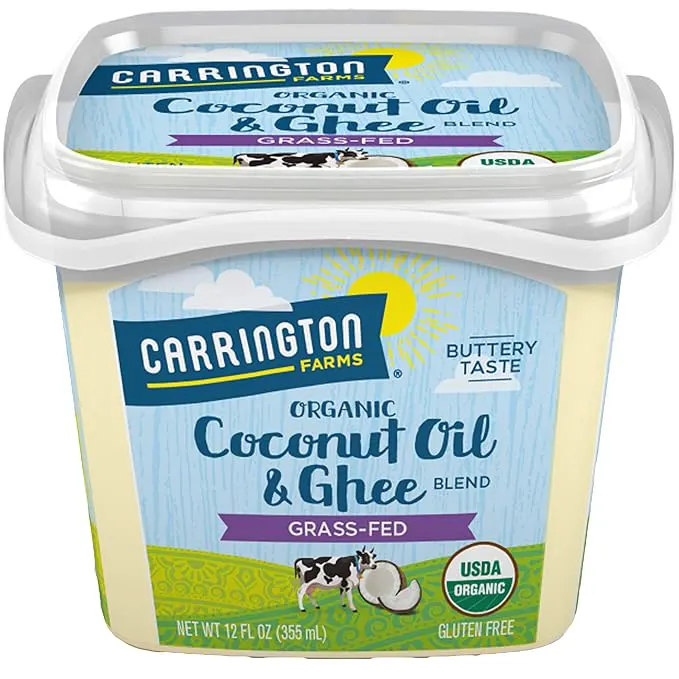
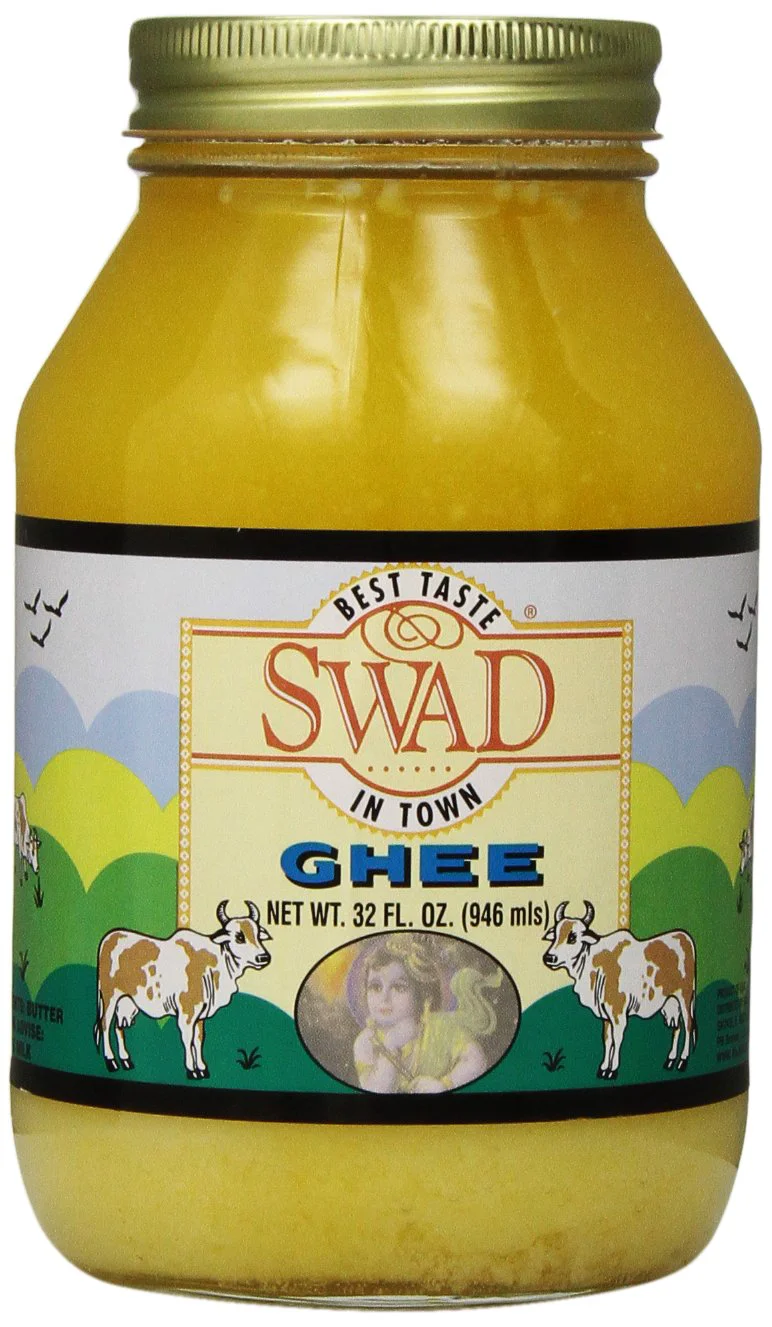
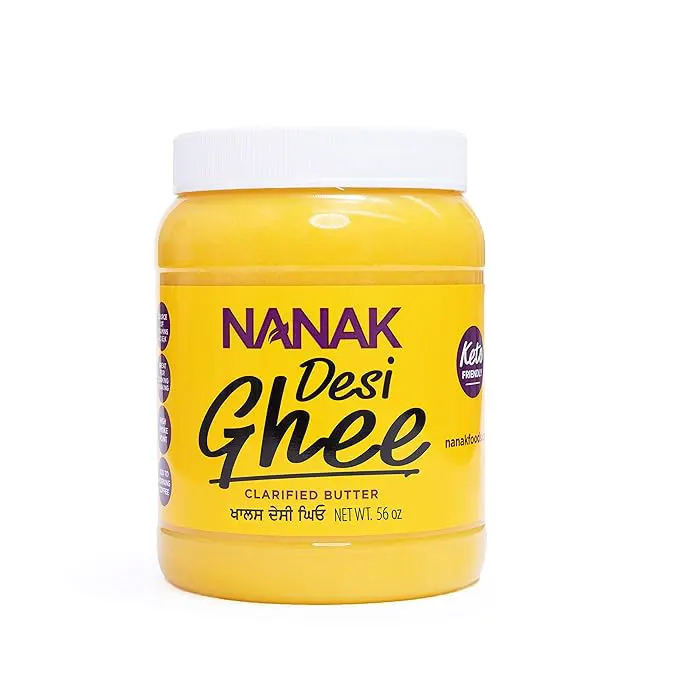
Not all fats are equal when it comes to protecting the protein in your pan. The article makes a strong case for traditional saturated fats like ghee, butter, and coconut oil—not just for their heat stability, but for what they don't do. These fats have high smoke points (especially ghee, also called clarified butter) and remain stable at the temperatures used for frying, sautéing, and shallow-frying common in Indian cooking. Stable fat means fewer free radicals are released into the food. That matters because when free radicals react with the protein on the surface of your cooking meat, fish, or paneer, they can form cross-links that make the protein tougher to digest.
On the other hand, many refined seed oils—canola, soybean, safflower, corn, sunflower, groundnut—are high in polyunsaturated fatty acids (PUFAs). These oils are chemically unstable at frying temperatures. When they oxidize, they not only create inflammatory compounds in the meal, but they also accelerate damage to the protein molecules in contact with them. Over time, routinely cooking high-protein foods in unstable oils may lower the net protein quality of your diet, even if your total protein intake looks adequate on paper.
What about cold-pressed oils?
Cold-pressed oils are a step up from highly refined oils because they undergo less chemical processing. But they are still seed oils with a high PUFA content. While they are better for salad dressings or low-heat cooking, they are not ideal for high-temperature frying. If you do use them for cooking, keep the flame low and never let the oil smoke. Once it smokes, the fat is degrading—and so is the surface protein in your pan.
The mistake of cooking protein on ultra-high heat for too long
Even with the best fat in the world, cranking the burner to maximum and charring your protein is a dietary mistake that lowers protein quality. Overcooking creates advanced glycation end-products (AGEs)—compounds formed when sugars (yes, even the tiny amounts naturally present in meat or dairy) react with amino acids. AGEs can make protein harder to digest and absorb. They also contribute to inflammation in the body, which the article links to skin aging and other long-term health issues.
You don't need to avoid golden-brown crusts or gentle browning. The key is moderation. Cooking until just done—not until the edges are blackened or the surface is dry and crunchy—preserves more of the protein's original structure. For example, when making a chicken curry or a fish fry, cook gently enough that the interior stays moist and the exterior doesn't develop a dark, brittle layer. That dark layer is often damaged protein.
Practical ways to protect protein quality in your kitchen
Spotting and fixing these dietary mistakes is straightforward once you know what to look for. Here are actionable shifts you can make starting with your next meal:
- Choose a heat-stable fat for high-heat cooking. Ghee, virgin coconut oil, and butter are your best options for frying, sautéing, and deep-frying. They stay stable at the temperatures you need and won't release damaging compounds that interfere with protein quality.
- Watch the smoke point. If your pan is smoking before you add the protein, you have already gone too far. Reduce the heat. Oil should shimmer, not smoke.
- Don't char your protein. Aim for a golden-brown finish rather than a dark or blackened crust. Overcooking does not just dry out food; it chemically alters the protein in a way that reduces its nutritional value.
- Consider low-and-slow methods. Braising, slow-cooking, and steaming at moderate temperatures are excellent for preserving protein quality. These methods do not expose protein to the same level of surface degradation as high-heat searing or deep-frying.
- Reuse oil carefully—or not at all. Each time you heat an oil, its chemical stability decreases. Reusing frying oil multiple times leads to a higher load of oxidized compounds, which can then damage the protein you cook in it.
It comes back to traditional kitchen wisdom
The article ends with a nod to grandmother's wisdom—and it is worth repeating. Traditional Indian cooking has always favored ghee for frying and simmering. That choice was not just about flavor; it was about understanding, even if intuitively, that some fats protect food better than others. Modern research now backs up what older generations practiced: stable saturated fats preserve both the safety and the nutritional quality of your cooked food. When you switch from refined seed oils to these traditional options, you do not just reduce inflammation—you also protect the protein you are cooking.
Paying attention to what happens in the pan is a small shift, but it has a real impact on how much protein your body actually gets from the same ingredients. The dietary mistake is not in eating protein—it is in damaging it before you eat. Fix that, and your home cooking becomes more nourishing in a measurable way.