It’s a common belief in fitness circles: if you want to build more muscle, you need to eat more protein. Powdered shakes, chicken breasts at every meal, and protein bars have become the default strategy for anyone serious about gaining size. But the relationship between dietary protein and muscle growth is not a straight line. Eating beyond a certain point won’t give you extra gains—and in some cases, it can work against your goals.
Understanding this ceiling matters, whether you’re training for strength, recovering from an injury, or just trying to maintain muscle as you age. Here’s what the science says about how much protein your body can actually use and why piling on more doesn’t guarantee bigger biceps.
The muscle-building ceiling that few talk about
For muscle to grow, it needs to be broken down through resistance exercise and then repaired using amino acids from protein. But your body has a limit on how quickly it can incorporate those amino acids into new tissue. Consuming more than roughly 1.6 to 2.2 grams of protein per kilogram of body weight per day (for most active people) will not accelerate muscle protein synthesis further. That extra protein is simply oxidized for energy or stored as fat.
Think of it like filling a gas tank. Once the tank is full, pouring in more fuel just spills onto the ground. The same is true for protein: beyond a saturation point, your muscles have no more room for building, and the excess has other metabolic consequences.
How your body handles extra protein
When you eat a high-protein meal, your digestive system breaks it down into amino acids, which enter the bloodstream. These amino acids signal your muscles to start repairing and building. But that signal has a maximum intensity and duration. Studies suggest that a dose of around 20 to 40 grams of protein per meal (depending on your body weight) is enough to maximize that response. A second or third serving of protein right after won’t double the effect.
Your kidneys and liver are the organs that process the nitrogen waste from protein metabolism. Consistently eating far more than your body needs forces these organs to work harder. While this isn’t a problem for healthy people in the short term, long-term overconsumption can be a concern, particularly for anyone with pre-existing kidney issues.
Quality and timing matter more than quantity
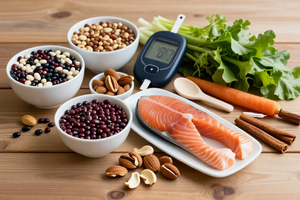
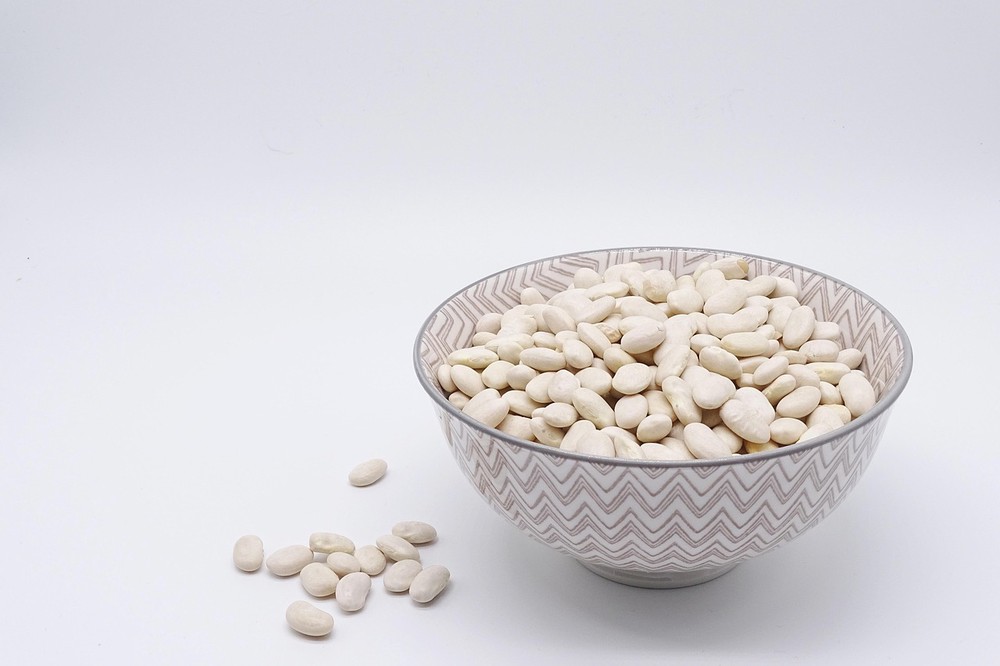
- Complete proteins from animal sources (meat, eggs, dairy) contain all essential amino acids. Plant-based sources like beans, lentils, and tofu can also be complete when combined or varied, but their amino acid profiles are sometimes less concentrated.
- Timing your protein intake evenly across meals—rather than eating a tiny breakfast, a small lunch, and a massive dinner—supports a steady rate of muscle protein synthesis. Aiming for 25–35 grams per meal is a practical target for most active adults.
- Leucine, an amino acid found in high amounts in whey, egg whites, and soy, is a key trigger for muscle building. Even if you eat a large amount of protein, if it’s low in leucine, the anabolic response may be weaker.
What happens when you eat too much protein without training
Protein alone doesn’t build muscle—resistance training does. If you’re consuming a high-protein diet but not challenging your muscles with progressive overload (lifting heavier weights or increasing reps), that extra protein has no tissue to repair. It will either be used as fuel (if you’re in a calorie deficit) or stored as body fat (if you’re eating more than you burn).
This is a subtle but important distinction. Many people increase protein thinking it will magically trigger growth, but without the mechanical stimulus of exercise, your muscles have no reason to add mass. You’re better off focusing on the quality of your training sessions and adjusting your protein intake to match your actual activity level.
Potential downsides of a very-high-protein diet
While protein is essential, making it the overwhelming focus of your diet can crowd out other nutrients. A plate that’s mostly chicken and egg whites leaves little room for vegetables, fruits, and whole grains, which provide fiber, vitamins, and antioxidants important for overall health and exercise recovery.
- Digestive issues: High protein often means low fiber, which can lead to constipation and bloating.
- Increased saturated fat intake: If your protein comes largely from red meats and full-fat dairy, you could be consuming more saturated fat than recommended.
- Dehydration risk: Protein metabolism creates nitrogen waste that requires extra water to flush out, so it’s wise to increase your fluid intake if you’re eating a high-protein diet.
Practical guidelines for smart protein consumption
Instead of trying to max out your protein grams, consider these straightforward rules:
- Match protein to your weight and activity. A range of 1.2–2.2 g/kg (roughly 0.5–1.0 g per pound of body weight) is sufficient for most people supporting muscle growth through training. More than that offers no extra benefit.
- Distribute protein evenly across 3–4 meals. This keeps the muscle repair signal active throughout the day without overloading any single dose.
- Don’t neglect carbs and fats. Carbohydrates replenish glycogen stores for your next workout, and healthy fats support hormone production, including testosterone, which plays a role in muscle building.
- Listen to your body. If you feel bloated, overly full, or notice changes in digestion, your protein intake may be too high relative to your total calorie needs.
Eating more protein than your body can use is like filling a car that’s already topped off—the extra just sloshes out. Focus on the right amount, not the maximum possible.
The bottom line is that protein is a necessary building block, but it’s not a dial you can keep turning up for unlimited results. A steady, adequate amount combined with consistent resistance training and overall balanced nutrition will produce far better results than chasing huge protein numbers. Save your money, simplify your diet, and let your training do the heavy lifting.