Making the switch to a plant-based diet is an exciting step, but one of the first concerns many new vegetarians face is iron. It's a valid question: without red meat, how do you keep your energy levels up and avoid that dreaded sluggish feeling? The good news is that a well-planned vegetarian diet can absolutely provide all the iron your body needs. It just requires a little know-how and a shift in how you think about your meals.
This isn't about complicated meal plans or expensive supplements. It's about understanding where plant-based iron lives, how to help your body absorb it, and how to build simple, delicious habits that keep your iron stores healthy.
Why iron matters (and why plant-based iron is different)
Iron is a mineral that plays a starring role in your blood. It's a key component of hemoglobin, the protein in red blood cells that carries oxygen from your lungs to the rest of your body. When your iron levels are low, every cell has to work harder, which is why fatigue is the most common symptom of iron deficiency.
Here's the key difference: iron comes in two forms — heme and non-heme. Heme iron is found in animal products like meat, poultry, and fish, and your body absorbs it quite easily. Non-heme iron is found in plant foods. Your body doesn't absorb non-heme iron as readily, which is why new vegetarians sometimes worry. However, with the right strategies, you can easily bridge that gap.
The best plant-based sources of iron
You might be surprised at how many everyday plant foods are packed with iron. Building your meals around these ingredients is your first step toward success.
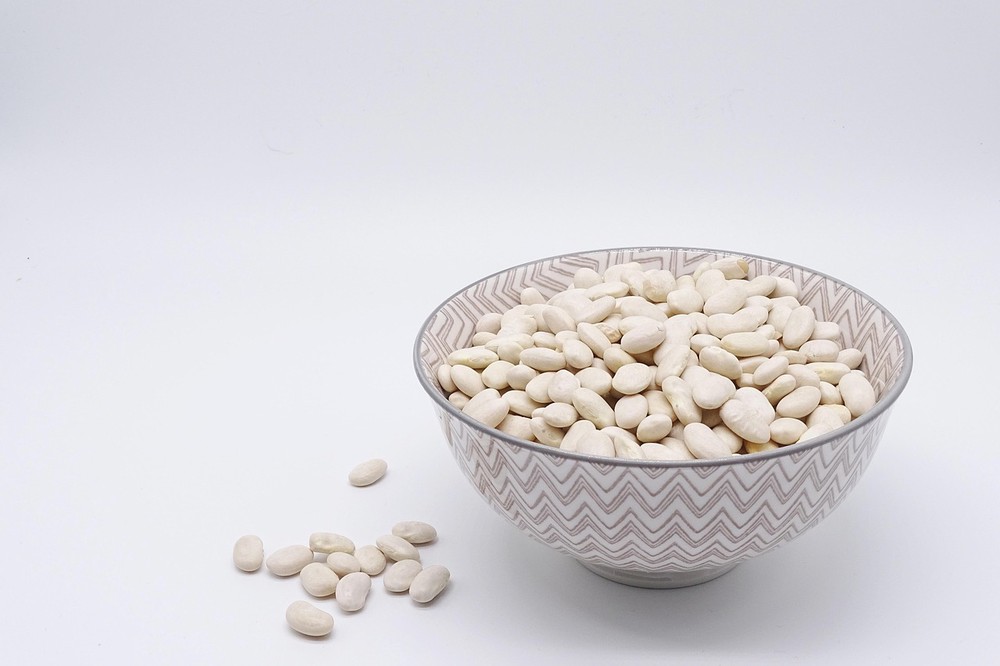
- Legumes: Lentils, chickpeas, kidney beans, and black beans are iron powerhouses. A single cup of cooked lentils provides over 6 mg of iron — that's about a third of the daily recommendation for most adult women.
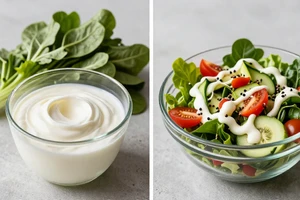
- Dark leafy greens: Spinach, kale, Swiss chard, and collard greens are excellent sources. While spinach contains oxalates that can slightly hinder absorption, it's still a great option when paired with the right companions.
- Tofu and tempeh: Made from soybeans, these are not only great sources of protein but also provide a solid dose of iron. Firm tofu offers about 3 mg per half-cup serving.
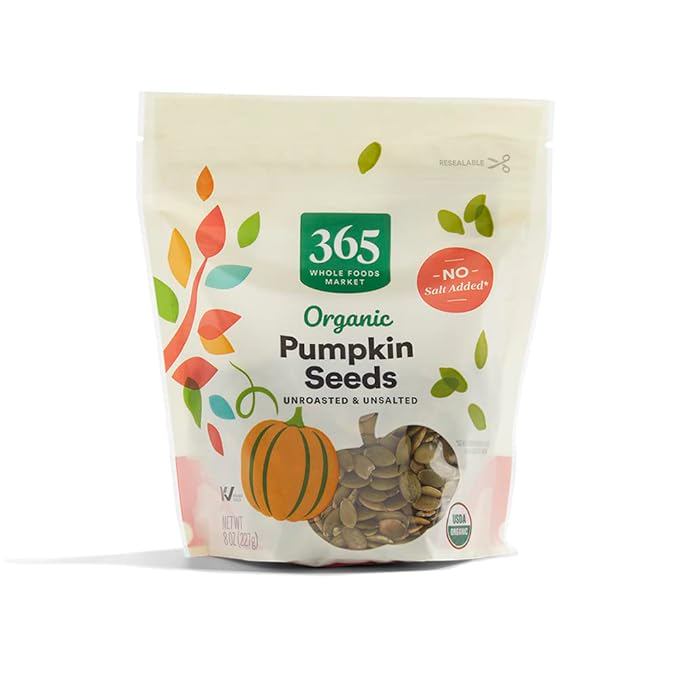
- Pumpkin seeds and sesame seeds: A handful of pumpkin seeds gives you nearly 4 mg of iron. Tahini, made from sesame seeds, is another fantastic way to add iron to dressings and sauces.
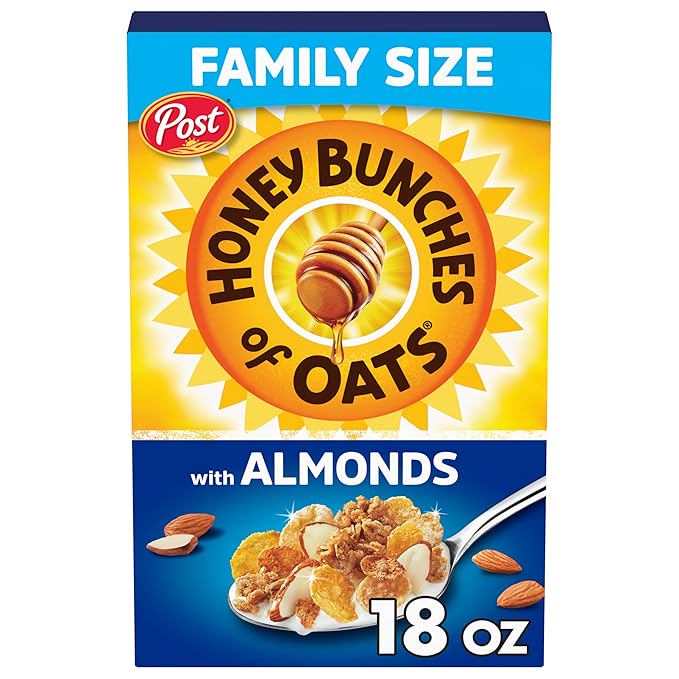
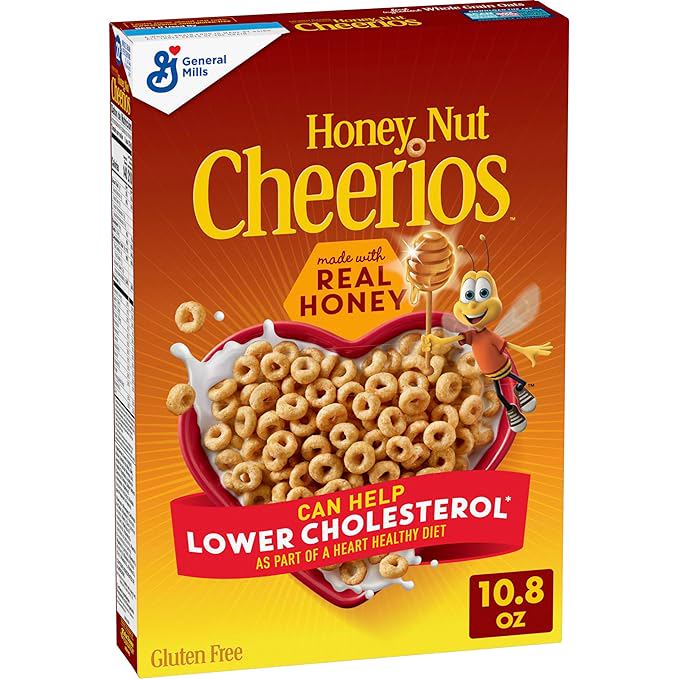
- Fortified foods: Many breakfast cereals, oatmeals, and plant-based milks are fortified with iron. Check the label — one serving can provide 50-100% of your daily needs.
- Whole grains: Quinoa, amaranth, and oats all contain iron. Quinoa is a complete protein and offers about 2.8 mg per cup.
- Dried fruits: Apricots, raisins, and prunes provide a concentrated source of iron, making them a perfect snack or addition to oatmeal.
The secret weapon: boosting absorption with vitamin C
This is the single most important strategy for anyone eating plant-based. Vitamin C dramatically increases your body's ability to absorb non-heme iron — sometimes by as much as six times. The beauty of this is that it's incredibly easy to do.
A simple rule of thumb: pair an iron-rich plant food with a vitamin C-rich food at the same meal.
Here's how to put it into practice:
- Add a squeeze of lemon juice to your lentil soup or over your sautéed spinach.
- Throw some diced bell peppers into your chickpea curry or bean chili.
- Eat a handful of strawberries or an orange alongside your iron-fortified oatmeal.
- Top your quinoa salad with cherry tomatoes and a simple vinaigrette.
- Add broccoli or cauliflower to a stir-fry with tofu.
What can get in the way?
Just as vitamin C helps iron absorption, certain compounds can hinder it. Being aware of them doesn't mean you need to avoid them entirely — it just means being smart about timing.
Phytates are found in whole grains, legumes, nuts, and seeds. While these foods are incredibly healthy, their phytate content can bind to iron and reduce absorption. Soaking beans overnight before cooking, and choosing sprouted grains when possible, can help reduce phytate levels.
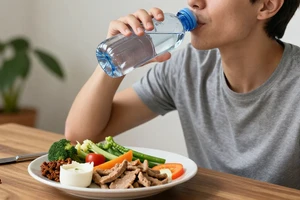
Tannins in tea and coffee can also block iron absorption. This doesn't mean you have to give up your morning cup. Simply avoid drinking tea or coffee within an hour of your main iron-rich meals.
Calcium can compete with iron for absorption. That's not a reason to skip calcium-rich foods like kale, fortified plant milks, or almonds. Again, it's about timing. If you take a calcium supplement, try to take it at a different time than your iron-heavy meal.
Simple meal ideas to get you started
Putting it all together is easier than you might think. Here are a few practical combinations that check all the boxes:
- Spinach and strawberry salad: Baby spinach (iron) topped with sliced strawberries (vitamin C), chickpeas, and a lemon-tahini dressing.
- Lentil soup with lemon: A hearty bowl of lentil soup finished with a generous squeeze of fresh lemon juice right before serving.
- Black bean and bell pepper tacos: Black beans (iron) stuffed into corn tortillas and topped with salsa, diced bell peppers (vitamin C), and avocado.
- Oatmeal with berries: A bowl of iron-fortified oatmeal topped with fresh raspberries or sliced kiwi (vitamin C) and a sprinkle of pumpkin seeds.
- Stir-fried tofu and broccoli: Firm tofu (iron) stir-fried with broccoli (vitamin C) and bell peppers in a ginger-soy sauce.
When to talk to a doctor
Most people can meet their iron needs through diet alone. However, some groups are at higher risk for deficiency, including women with heavy menstrual cycles, pregnant individuals, endurance athletes, and those with certain digestive conditions like celiac disease or Crohn's.
Symptoms of low iron can include persistent fatigue, weakness, pale skin, shortness of breath, dizziness, and brittle nails. If you experience these, it's wise to see your healthcare provider for a simple blood test. Do not start taking iron supplements on your own without testing, as too much iron can be harmful. A doctor can help you determine the right course of action for your specific situation.
Transitioning to a plant-based diet is a journey of discovery. With a little awareness and a few strategic food pairings, you can feel confident that you're nourishing your body with everything it needs to thrive.