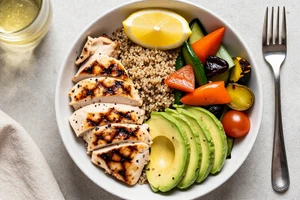
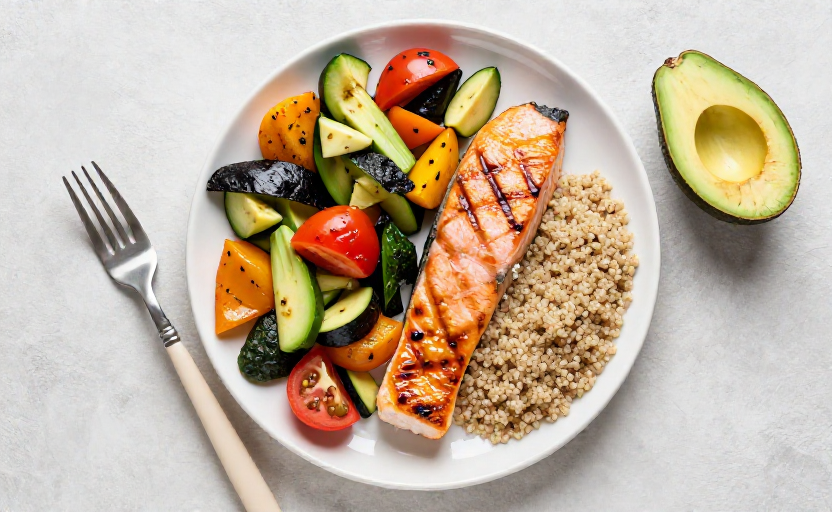
Building a balanced plate for weight loss isn't about complicated math or restrictive rules. It's a simple, visual framework that helps you assemble meals that are satisfying, nourishing, and supportive of your goals. The goal is to shift your focus from what you're removing to what you're adding—more color, more fiber, more lean protein—to create a plate that naturally keeps you full and fuels your body well.
This approach works because it addresses the core principles of sustainable weight management: managing hunger through satiety, providing steady energy, and ensuring you get the nutrients your body needs to thrive. It's a skill you can use anywhere—at home, at a restaurant, or when assembling a quick lunch.
What does a balanced plate actually look like?
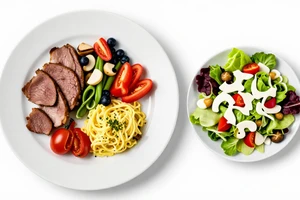
Imagine your typical dinner plate. Now, divide it mentally. The most common and effective model for weight loss allocates half the plate to non-starchy vegetables, one quarter to lean protein, and the remaining quarter to complex carbohydrates or starchy vegetables. This isn't a rigid formula to measure with a ruler at every meal, but a powerful visual guide.
The half-plate of vegetables is your secret weapon. Vegetables like broccoli, spinach, bell peppers, zucchini, and salads are low in calories but high in volume, water, and fiber. This combination physically fills your stomach and slows digestion, sending strong signals of fullness to your brain. You get to eat a large, satisfying portion for relatively few calories.
Fill half your plate with color. It’s the simplest step with the biggest impact on fullness and nutrient intake.
The protein quarter is essential for preserving muscle mass during weight loss and boosting satiety. Protein takes more energy to digest and has a powerful effect on hunger hormones. Think of a palm-sized portion of grilled chicken, fish, tofu, tempeh, lentils, or beans.
The carbohydrate quarter provides energy and essential nutrients. The key is choosing complex, fiber-rich sources like quinoa, brown rice, sweet potato, or whole-grain pasta. These break down slowly, preventing the blood sugar spikes and crashes that can lead to cravings.
The role of healthy fats
While fats don't get their own dedicated section on the plate model, they are a crucial component for nutrient absorption, hormone health, and flavor. They're added in moderation through cooking methods or dressings. A thumb-sized portion of added fat is a good visual guide—think a drizzle of olive oil for roasting vegetables, a quarter of an avocado sliced on top, or a small handful of nuts or seeds sprinkled over a salad.
Including a small amount of healthy fat with your meal helps you absorb fat-soluble vitamins (A, D, E, and K) from your vegetables and further enhances feelings of satisfaction.
Putting it into practice: a few examples
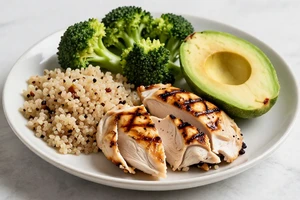
- Lunch: A large bed of mixed greens and cherry tomatoes (1/2 plate), a grilled chicken breast (1/4 plate), a 1/2 cup of cooked quinoa (1/4 plate), with a lemon-tahini dressing (fat).
- Dinner: Roasted broccoli and cauliflower (1/2 plate), a baked salmon fillet (1/4 plate), a small roasted sweet potato (1/4 plate), cooked with a teaspoon of olive oil.
- Plant-based: Sautéed kale and mushrooms (1/2 plate), a 3/4 cup of black bean and lentil stew (covers protein & some carbs), and a 1/3 cup of brown rice (remaining carbs), topped with a few slices of avocado.
Why this structure supports weight loss
This plate structure works with your body's natural signals. By prioritizing high-volume, high-fiber vegetables and adequate protein, you effectively manage hunger. You're less likely to experience the energy dips that lead to snacking on highly processed foods. Furthermore, by ensuring each meal contains a balance of macronutrients and micronutrients, you reduce the risk of nutritional deficiencies that can sometimes occur with more extreme diets.
It also promotes mindful eating. The visual act of building your plate encourages you to consider the components of your meal before you start eating, fostering a more intentional relationship with food.
Adapting the plate for different meals and preferences
The plate model is wonderfully flexible. For breakfast, your "plate" might be a bowl: fill half with spinach and tomatoes (sautéed or fresh), one quarter with scrambled eggs or tofu, and one quarter with a small serving of oatmeal or whole-grain toast.
When eating foods that combine ingredients, like soups, stews, or casseroles, visualize the components in your mind. Aim for a ratio where vegetables are the most prominent ingredient, followed by protein and complex carbs. A hearty chili with lots of veggies, beans, and a small amount of lean ground turkey served over a modest portion of rice is a perfect example.
At a restaurant, use the same principles. You might ask for an extra side of vegetables, choose a protein-centric main with a vegetable side, and share a starchy side dish, or simply box half of a large pasta entrée immediately and fill out your meal with a side salad.
Common questions about building your plate
What about fruit?
Fruit is a healthy source of vitamins, fiber, and antioxidants. For the purpose of the weight-loss plate model, it's best considered as part of the carbohydrate section or as a separate snack or dessert. Berries or apple slices can be a great addition to a breakfast plate, for instance.
Can I ever have foods that don't fit the model?
Absolutely. The balanced plate is a tool for everyday eating, not a strict doctrine. There will be meals—celebrations, social gatherings, or simply days when you crave something different—that don't conform. That's normal and part of a sustainable approach. The goal is to use this framework for the majority of your meals, building a reliable foundation of healthy habits.
The beauty of this method is its simplicity and focus on nourishment. By learning to build a balanced plate, you equip yourself with a lifelong skill for making choices that support your weight loss goals and your overall well-being.