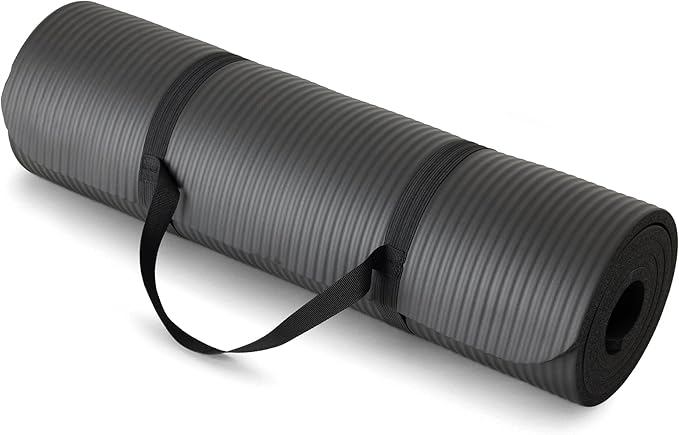

Starting a home workout routine is one of the most empowering steps you can take for your health. But once you roll out your mat and clear a bit of floor space, a question almost always bubbles up: How often should I actually do this?
The short answer—according to trainers who work with beginners every day—is three to four times per week. The longer answer involves understanding your body's need for recovery, the type of movement you're doing, and how to build a habit that sticks without burning out or risking injury.
Why three to four sessions a week works for beginners
Consistency matters more than intensity when you're new. Training three or four days per week gives you enough frequency to build neuromuscular coordination—your brain learning to talk to your muscles—without overwhelming your system. "Most new exercisers see the best results when they work out every other day," says certified personal trainer Alicia Morgan. "That rhythm naturally includes a rest day between sessions, which is crucial for muscle repair and preventing overuse injuries."
A common mistake is going too hard too fast. If you try to train six days a week right out of the gate, you're more likely to feel exhausted, sore, or unmotivated—and then quit. Spreading your workouts across the week with rest days in between helps you recover and actually get stronger.
What kind of workouts should beginners do?
Your weekly schedule can mix strength and cardio, but you don't need separate, elaborate routines. Many effective home workouts combine both. Here's a sample week that trainers often recommend:
- Monday: Full-body strength circuit (bodyweight squats, push-ups, rows using a table, planks)
- Wednesday: Low-impact cardio and mobility (walking, marching in place, dynamic stretches)
- Friday: Another full-body strength circuit, slightly varied exercises
- Saturday: Active recovery (leisurely walk, gentle yoga, foam rolling)
If you only have time for two sessions, that's fine too. Two well-designed full-body workouts per week are still effective for building strength and improving cardiovascular health, especially in the first few months.
Listen to your body—not a generic plan
Trainers emphasize that guidelines are just starting points. "Some people recover faster than others," notes strength coach David Rivera. "If you're still sore from Tuesday's workout by Thursday, don't force a session. Do light movement instead—a walk or gentle stretching—and pick up your next full workout when you feel ready."
Beginners often need to learn the difference between good discomfort (muscle fatigue, mild soreness) and bad pain (sharp, joint-related, or persistent). If something hurts in a joint, stop and modify the movement. If your muscles just feel tired, that's a sign they're adapting.
Rest and recovery are part of the plan
Rest days are not lazy—they're productive. During rest, your body repairs microscopic tears in muscle fibers, replenishes energy stores, and adapts to the stress of exercise. This is where actual fitness gains happen. Skipping rest doesn't accelerate progress; it stalls it.
Try to have at least one or two full rest days per week where you do nothing structured. On other "rest" days, you might do light activity like walking, gardening, or foam rolling. This keeps you moving without taxing your central nervous system.
How to progress without overdoing it
After four to six weeks, you can add a fourth or even fifth day if you're recovering well. The key is to increase gradually—add one more session per week for two weeks, then hold steady. Or you might keep three days but make each session slightly longer or more challenging (more reps, harder variations).
One simple rule: never increase both frequency and intensity at the same time. Pick one variable to change and let your body adjust for two weeks before making another change.
Signs you might be training too often
It's helpful to know when you're pushing past the sweet spot. Red flags include:
- Feeling exhausted or irritable on workout days
- Persistent muscle soreness that doesn't fade after 48 hours
- Trouble sleeping or changes in appetite
- Performance declining instead of improving
If you notice any of these, cut back to two sessions a week for a while and focus on sleep, hydration, and nutrition. You can always build back up slowly.
Final thoughts from the trainers
Every trainer I spoke with gave the same bottom line: be kind to yourself. "Beginners don't need a perfect routine," Morgan says. "They need a routine they'll actually do. Three solid sessions a week will take you further than six half-hearted ones you dread." Start where you are, rest when you need to, and trust that showing up consistently—even when it's imperfect—is what builds lasting health.