
Protein is more than just a buzzword on a nutrition label. It’s the fundamental building block of your body, essential for repairing tissues, building muscle, and supporting a healthy immune system. Yet, for something so crucial, the question of how much we actually need is often clouded by fitness trends and marketing hype. Let’s clear the air and find a practical, evidence-based answer.
Why protein matters for more than just muscle
While protein’s role in muscle synthesis is its most famous job, its responsibilities run much deeper. Think of protein as your body’s construction and maintenance crew. It’s vital for creating enzymes that power every chemical reaction, hormones that act as messengers, and antibodies that defend against illness. It helps build strong hair, nails, and skin, and it’s crucial for maintaining bone density as we age. In short, adequate protein supports your body’s structure and function from the inside out.
How much protein is enough?
The standard recommendation for most healthy adults is 0.8 grams of protein per kilogram of body weight per day. This is the Recommended Dietary Allowance (RDA) set to prevent deficiency. For a 150-pound (68 kg) person, that’s about 54 grams daily.
Think of the RDA as the minimum daily requirement to keep the lights on, not necessarily the optimal amount for thriving.
Many experts now suggest that a higher intake, often in the range of 1.2 to 2.0 grams per kilogram, can be beneficial for maintaining muscle mass, especially as we get older, and for supporting an active lifestyle. This range accounts for individual variation and goals.
Calculating your personal protein needs
Your ideal protein intake isn’t a one-size-fits-all number. It’s a range influenced by several key factors:
- Activity Level: Are you mostly sedentary, or do you engage in regular endurance training or strength workouts? Athletes and those who lift weights regularly need more protein to repair and build muscle tissue.
- Age: Starting around age 40, we naturally begin to lose muscle mass, a process called sarcopenia. A higher protein intake, combined with resistance exercise, is a powerful strategy to counteract this loss.
- Health Status: Your body’s needs change when recovering from illness, surgery, or injury, as protein is critical for healing.
- Body Composition Goals: Are you looking to lose fat while preserving lean muscle? Protein promotes satiety (feeling full) and helps protect muscle during calorie restriction.
A practical starting point for many active adults is to aim for 1.6 grams of protein per kilogram of body weight. Using our 150-pound (68 kg) example, that’s roughly 109 grams per day.
What does a day of adequate protein look like?
Hitting your protein target doesn’t require chugging shakes at every meal. It’s about consistent, mindful choices throughout the day. Here’s a sample framework for that 150-pound individual aiming for ~110 grams:
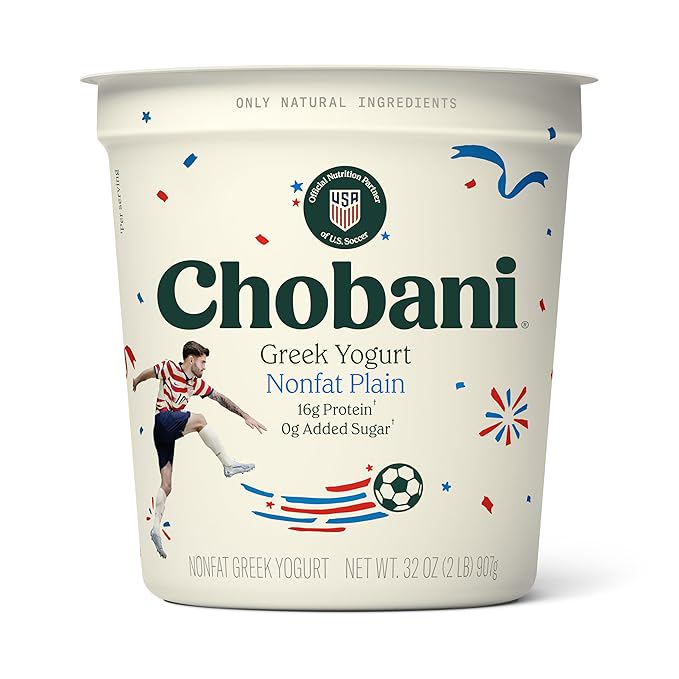
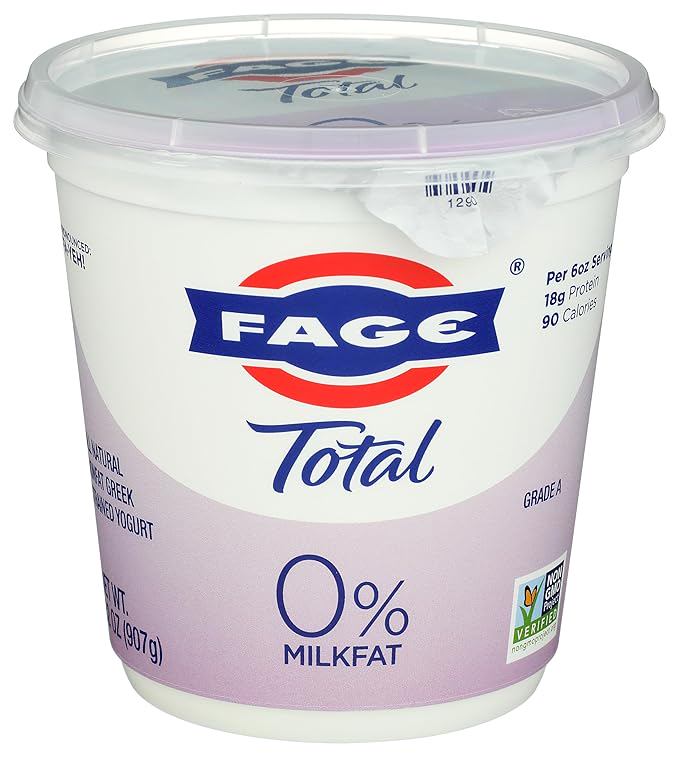
- Breakfast (25g): Two eggs (12g) with a cup of Greek yogurt (20g).
- Lunch (35g): A palm-sized chicken breast (30g) in a large salad with quinoa (5g).
- Snack (15g): A handful of almonds (6g) and a cheese stick (9g).
- Dinner (35g): A serving of salmon (25g) with a cup of lentils (10g).
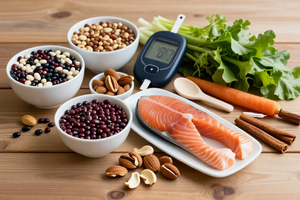
Notice the variety: animal sources like poultry, fish, eggs, and dairy are complete proteins, meaning they contain all nine essential amino acids. Plant-based sources like beans, lentils, tofu, and nuts are excellent options, and combining different plant proteins throughout the day (like rice and beans) can provide a complete amino acid profile.
Common signs you might not be getting enough
Protein deficiency is rare in developed countries, but consistently low intake can manifest in subtle ways. Be mindful of signals like frequent hunger soon after meals, slow recovery from workouts, brittle hair and nails, or a general feeling of low energy and brain fog. If you’re experiencing these, it’s worth evaluating your dietary patterns.
Ultimately, finding your protein sweet spot is a personal journey. It’s less about obsessing over every gram and more about building a sustainable pattern of eating that includes a good source of protein at each meal. Listen to your body, consider your lifestyle, and when in doubt, consulting a registered dietitian can provide personalized guidance to ensure your nutrition supports your long-term health and well-being.