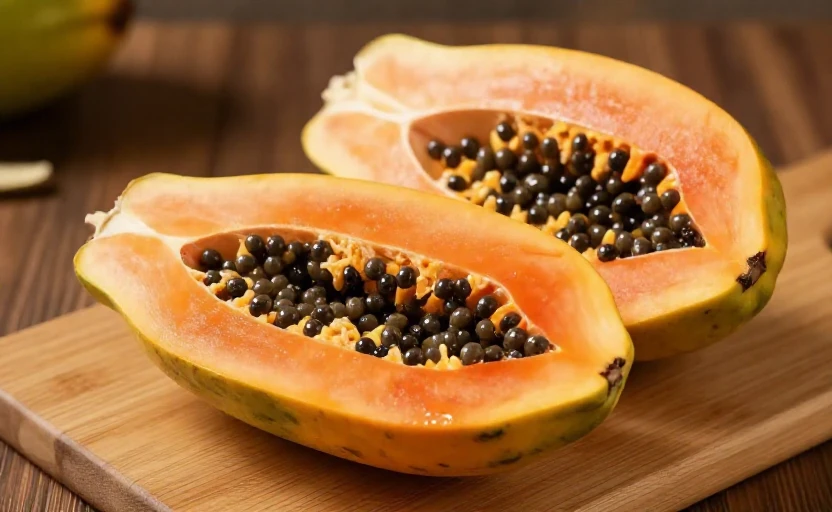
Papaya often sits quietly in the fruit aisle, overshadowed by more familiar choices. Its soft texture and distinct aroma can be polarizing, leading many to pass it by. But to do so is to miss out on one of nature's most generous gifts for your well-being. This tropical fruit isn't just a source of sweetness; it's a vibrant, fleshy package of compounds that work in concert to support your body from the inside out.
Beyond its delightful taste, regular inclusion of papaya in your diet can quietly bolster several foundational aspects of health. Its benefits are broad yet specific, touching on everything from the daily process of digestion to the long-term resilience of your immune system. Let's explore the compelling reasons to give this 'fruit of the angels' a regular place in your kitchen.
How does papaya support your immune system?
Think of your immune system as a complex, always-on defense network. Papaya acts like a versatile support crew for that network, primarily through an astonishingly high dose of vitamin C. A single serving can provide well over 200% of your daily requirement. This nutrient is crucial for the growth and function of immune cells and helps protect them from oxidative damage as they fight pathogens.
But the support doesn't stop there. Papaya is also rich in vitamin A and several B vitamins, which play complementary roles in maintaining the integrity of your skin and mucosal barriers—your body's first line of defense—and in the production of antibodies. Furthermore, the antioxidant lycopene, which gives the flesh its rosy-orange hue, has been studied for its potential role in modulating immune response and reducing chronic inflammation, a state that can wear down immune resilience over time.
Research, including work from institutions like Pennsylvania State University, points to the combination of lycopene and vitamin C in papaya as potentially beneficial for heart health, which is intimately linked to overall systemic wellness.
Can papaya really aid your digestion?
This is perhaps papaya's most famous talent, and for good reason. It contains a unique enzyme called papain. Enzymes are biological catalysts that speed up chemical reactions, and papain specifically helps break down protein fibers, making meat and other protein-rich foods easier to digest. This can lead to less bloating and discomfort after meals.
The fruit is also a good source of dietary fiber and water, both essential for promoting regular bowel movements and maintaining a healthy gut environment. A well-functioning digestive tract is about more than comfort; experts note its critical role in supporting a healthy immune system, as a large portion of immune cells resides in the gut. By aiding digestion and promoting gut health, papaya contributes to this vital ecosystem.
What role do its antioxidants play?
Oxidative stress occurs when there's an imbalance between free radicals—unstable molecules that can damage cells—and antioxidants that neutralize them. This process is a natural part of aging and metabolism, but excessive oxidative stress is linked to chronic inflammation and numerous diseases.
Papaya is loaded with antioxidants, including the carotenoids beta-carotene and lycopene, as well as vitamin C. These compounds donate electrons to free radicals, stabilizing them and preventing them from causing cellular damage. Studies have shown that the carotenoids in papaya can effectively reduce oxidative stress markers, particularly in older adults. By routinely damping down this internal stress, you help protect your cells and reduce the risk of inflammation-driven conditions.
Does it have properties that may reduce cancer risk?
It's important to approach this topic with cautious optimism. No single food is a cure or guarantee, but certain components in papaya show promising bioactive properties in research settings. The standout is again lycopene, which has been widely studied for its potential anticancer effects. Laboratory studies, including some focusing on breast cancer cells, have observed that papaya extract can exhibit anticancer activity, slowing the growth of cancer cells.
The mechanism is thought to be multifaceted, involving the antioxidant power to prevent DNA damage, as well as the ability to modulate signaling pathways that control cell growth and death. While this preliminary research is compelling, it underscores the value of a diet rich in a variety of fruits and vegetables, like papaya, that contain these protective plant compounds.
How does it help manage inflammation?
Inflammation is your body's natural, protective response to injury or infection. However, when this response becomes low-grade and chronic, it can silently contribute to the development of many modern diseases, from arthritis to heart issues.
Papaya helps combat this problematic chronic inflammation. Several studies have demonstrated that consuming papaya can lead to a measurable decrease in key inflammatory markers in the blood. This effect is largely attributed to its rich cocktail of vitamins, enzymes, and phytochemicals like carotenoids and flavonoids. These substances work together to inhibit pro-inflammatory enzymes and cytokines. By making papaya a regular part of your diet, you're essentially providing your body with natural tools to keep unnecessary inflammation in check.
The benefits extend beyond the flesh. Traditional practices have long used papaya seeds, leaves, and roots for various health purposes, highlighting the plant's widespread value. From supporting your daily digestion to fortifying your long-term defenses, the humble papaya proves itself to be a small but mighty ally for holistic health.