
You’ve heard the advice a hundred times: eat more fiber, drink more water. It’s the bedrock of digestive wellness. But when you actually try to follow it, the results can be… less than ideal. Bloating, gas, and that heavy, sluggish feeling can make you want to abandon your healthy intentions altogether.
This discomfort isn’t a sign that fiber and hydration aren’t for you. It’s often a signal that your approach needs fine-tuning. The key isn’t just adding more, but adding more thoughtfully, allowing your digestive system to adapt gracefully. This guide is about making those essential changes work for your body, not against it.
Why pairing fiber and water matters so much
Think of fiber and water as a digestive partnership. Soluble fiber, found in foods like oats, beans, and apples, absorbs water to form a gel-like substance that slows digestion and helps regulate blood sugar. Insoluble fiber, from sources like whole wheat, nuts, and vegetables, adds bulk to stool and helps it move more smoothly through your system.
When you increase your fiber intake without a corresponding increase in fluids, that insoluble fiber has nothing to “hold onto.” It can become dry and compacted, leading to constipation and discomfort. Conversely, drinking plenty of water without adequate fiber means that water isn’t being utilized effectively for digestion and can simply pass through. They work best as a team.
The goal is to help your gut microbiome adapt to the new, fibrous feast you’re providing, minimizing the gas and bloating that can come with sudden change.
A gradual approach to increasing fiber
One of the most common missteps is overhauling your diet overnight. If your current diet is low in fiber, a sudden influx can overwhelm the bacteria in your large intestine. As these bacteria ferment the new fiber, they produce gas, leading to bloating and cramping.
Instead, aim for a slow and steady increase. Try adding just one extra serving of a high-fiber food every few days. A serving might be a half-cup of beans, a small apple, or a tablespoon of ground flaxseed. Pay attention to how your body responds before adding more.
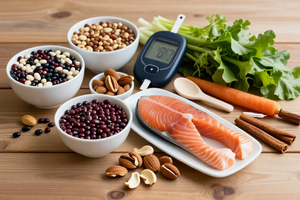
It’s also helpful to note where fiber hides. Beyond the obvious whole grains, excellent sources include:
- Legumes: lentils, chickpeas, black beans
- Fruits: berries, pears, avocados
- Vegetables: broccoli, Brussels sprouts, artichokes
- Nuts and seeds: chia seeds, almonds, pumpkin seeds
Hydration: More than just water count
While aiming for the general guideline of eight glasses a day is a good start, your ideal intake is personal. It can depend on your activity level, climate, and the fiber content of your meals. A more practical approach is to let your body guide you and to think about how you drink.
Sipping water consistently throughout the day is far more effective for digestion than downing large amounts at once. Large volumes can pass through quickly without being fully absorbed. Keep a water bottle nearby as a visual reminder. Other fluids like herbal teas and broths count toward your total, but water should be your primary source.
A simple check: The color of your urine is a reliable, everyday indicator. Aim for a pale straw color. Dark yellow often means you need to drink more, especially when increasing fiber.
Practical strategies for everyday comfort
Making this duo work is about integrating small, smart habits into your routine.
Start your day with both
Kick off your morning with a glass of water before coffee or tea. Follow it with a breakfast that includes both fiber and fluid, like oatmeal made with water or milk and topped with berries, or whole-grain toast with avocado.
Pre-soak beans and grains
If beans tend to cause you gas, soaking dried beans overnight (and discarding the soaking water) can help reduce the compounds responsible. The same goes for grains like barley or farro—a pre-soak can make them easier to digest.
Chew thoroughly
Digestion begins in the mouth. Taking time to chew high-fiber foods well breaks them down mechanically, giving your stomach and intestines less work to do and reducing the chance of gas.
Move your body gently
Light physical activity, like a walk after a meal, can stimulate digestion and help move gas through your system, alleviating feelings of bloating.
When to pay extra attention
While some initial adjustment is normal, persistent severe cramping, pain, or significant changes in bowel habits warrant a conversation with a healthcare provider. This is crucial to rule out underlying conditions like irritable bowel syndrome (IBS), food intolerances, or other digestive issues that may require a tailored approach to fiber.
Listen to your body. If a particular high-fiber food consistently causes discomfort, you don’t have to force it. There are many sources of fiber; experiment to find the ones that make you feel your best.
Ultimately, integrating more fiber and water into your life is a journey of tuning in, not a rigid set of rules. By progressing gradually and pairing these elements intentionally, you build a sustainable foundation for digestive comfort and long-term wellness.