You know the feeling. It starts as a low-energy hum, a creeping irritability that makes the world seem just a little more grating. Then it sharpens into a gnawing emptiness in your stomach, accompanied by a mental fog and a sudden, intense craving for anything edible. You’re not just hungry—you’re hangry. And if this is happening while you’re trying to eat better or manage your weight, it’s often a sign your body is sending a distress signal, not about calories in general, but about a specific nutrient it’s missing: protein.
Many people approach dieting with a focus on restriction—cutting calories, avoiding certain foods. But sustainable, comfortable weight management is less about subtraction and more about strategic addition. The timing of when you eat protein, not just the total amount you consume in a day, can be the difference between steady energy and that frustrating, hanger-fueled crash. It’s a subtle error that can derail the best intentions.
Why Protein Is Your Anti-Hanger Anchor
To understand protein timing, it helps to know why protein is so uniquely satisfying. Unlike simple carbohydrates, which are digested quickly and can cause rapid spikes and drops in blood sugar, protein has a more complex structure. Your body works harder to break it down, a process called the thermic effect of food. This slower digestion means a steadier release of energy into your bloodstream.
More importantly, protein directly influences hormones that control hunger and fullness. It increases the release of peptide YY and GLP-1, hormones that signal satiety to your brain. Simultaneously, it helps moderate ghrelin, the “hunger hormone.” When you skimp on protein, especially at key meals, you’re essentially turning down the volume on your body’s “I’m full” signals and cranking up the “I need food now” alarms.
The goal isn’t to eat massive amounts of protein at one sitting, but to distribute it thoughtfully to keep those satiety signals humming throughout the day.
The Most Common Protein-Timing Mistakes
Hanger often stems from one of these everyday patterns. See if any feel familiar.
The Skimpy Breakfast (or Skipping It Altogether)
Starting your day with just toast, a piece of fruit, or a low-protein smoothie sets you up for a mid-morning energy crash. After a night of fasting, your body needs steady fuel. A carbohydrate-heavy breakfast causes a quick rise in blood sugar, often followed by a sharp drop a few hours later, leaving you searching for a snack before lunch.
The Salad-Only Lunch
A giant bowl of greens with a light vinaigrette is volume eating, but it may lack staying power. Without a substantial protein source like chicken, fish, tofu, beans, or eggs, that large lunch can leave you feeling surprisingly empty—and irritable—by mid-afternoon.
The Long Gap Between Meals
Going five, six, or more hours between meals without a protein-aware snack is a classic hanger trigger. As blood sugar dips and ghrelin rises, your willpower and mood are the first casualties.
The Back-Loaded Dinner
Saving the majority of your day’s protein for one big dinner is a common pattern. While it’s better than not getting enough overall, it does little to support stable energy and appetite control during your active daytime hours when you need it most.
A Simple Framework for Better Protein Timing
You don’t need to count grams obsessively or eat chicken breast every two hours. Think in terms of inclusion and distribution.
Anchor Every Meal
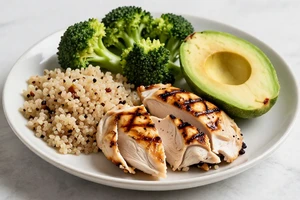
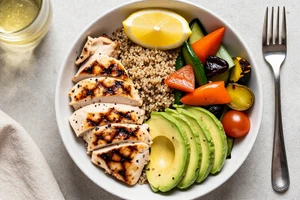
Make a conscious effort to include a source of protein in every main meal. Visualize your plate: aim for it to occupy roughly a quarter of the space. This could be:
- Eggs or Greek yogurt at breakfast.
- Lentils, chickpeas, or edamame in a lunch grain bowl.
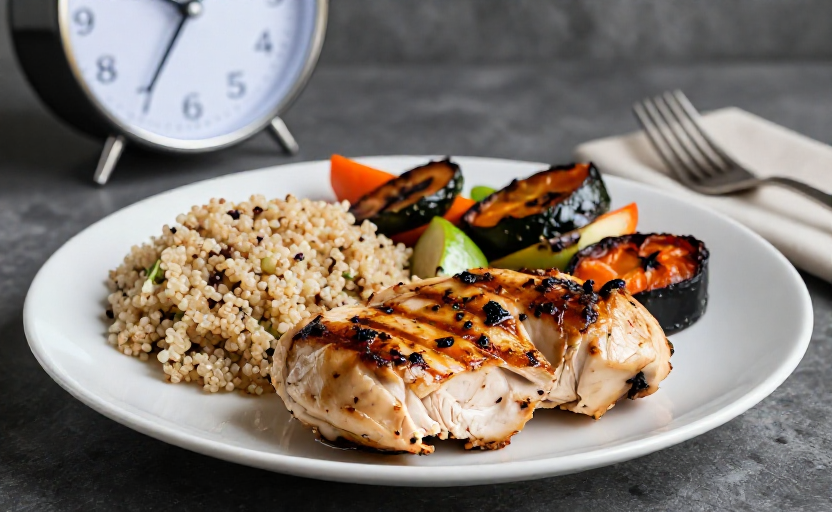
- Fish, lean meat, or tempeh with your dinner vegetables.
Mind the Gap
If you know you’ll have more than 4–5 hours between meals, plan a small, protein-inclusive snack. This is a preventative measure, not a reaction to hanger. Good options include a handful of almonds, a piece of cheese, a hard-boiled egg, or a small cup of cottage cheese.
Listen to Your Body’s Early Signals
True hunger builds gradually. Hanger feels urgent and emotional. Try to eat when you notice the first gentle signs of hunger—a slight stomach rumble, a dip in concentration—rather than waiting until you feel ravenous and irritable. Having protein readily available makes this much easier.
Putting It Into Practice Without Overcomplicating
This isn’t about perfection; it’s about making small, sustainable shifts. Tomorrow morning, try adding a scoop of nut butter to your oatmeal or having an egg with your toast. For lunch, toss a can of tuna or a cup of chickpeas into your salad. Notice how you feel in the hours that follow.
The difference can be profound. With more stable energy, the mental effort required to make healthy choices diminishes. You’re no longer white-knuckling your way through the afternoon, battling cravings. You’re simply… comfortable. And that sense of ease is the foundation upon which lasting healthy habits are built.
Remember, feeling consistently hangry is your body’s way of communicating a need. By adjusting not just what you eat, but when you eat your protein, you provide your body with the steady support it needs to let go of excess weight without the constant struggle. It turns dieting from a battle of wills into a more harmonious process of nourishment.