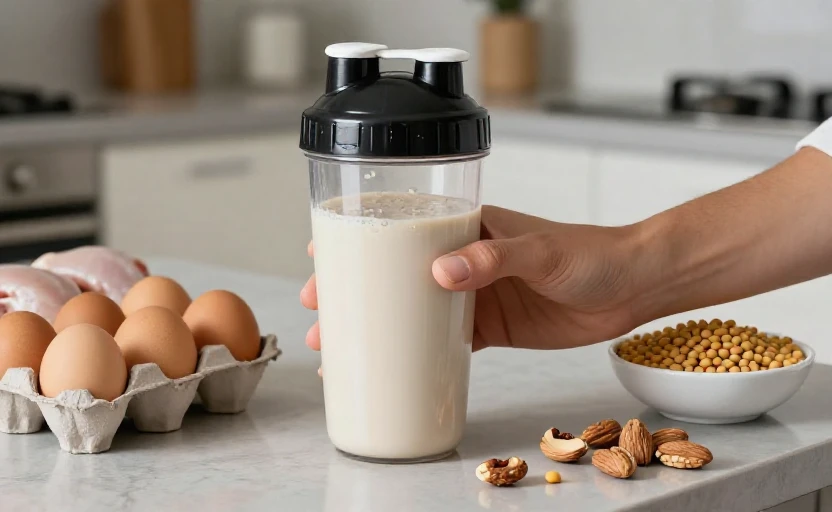
Protein sits at the center of nearly every conversation about muscle building, yet it’s often surrounded by a fog of confusion and misinformation. From gym locker rooms to online forums, certain beliefs about protein have become so entrenched they’re accepted as gospel. But clinging to these myths can lead to wasted effort, unnecessary expense, and even frustration when results don’t match expectations.
Let’s clear the air. Building muscle is a complex process that relies on consistent training, adequate recovery, and proper nutrition. Protein is a crucial player, but it’s not the only one. By examining the most common misconceptions, we can build a smarter, more effective approach to supporting your strength and fitness goals.
Myth 1: More Protein Always Means More Muscle
This is perhaps the most pervasive belief. The logic seems sound: muscles are made of protein, so consuming more of it must directly translate to more muscle growth. In reality, your body has a limit to how much protein it can use for muscle protein synthesis—the process of building new muscle tissue.
Consuming protein far beyond your body’s needs doesn’t create an extra anabolic environment; it simply provides excess calories. Your body will either store this excess as fat or use it for energy. The key is hitting an optimal range, not a maximum amount.
Think of protein like the bricks for building a house. You need enough bricks to do the job, but dumping a mountain of extra bricks on the lawn won’t make the house bigger or build itself faster.
For most active individuals, research suggests a daily intake between 1.6 and 2.2 grams of protein per kilogram of body weight is sufficient to maximize muscle growth. Going significantly above this range offers diminishing returns and takes valuable calorie “budget” away from other essential nutrients like carbohydrates, which fuel your intense workouts.
Myth 2: You Must Eat Protein Immediately After Your Workout
The “anabolic window”—a short, critical period post-workout where you must slam a protein shake or miss your gains—has been overstated. While it’s true that muscles are primed to absorb nutrients after exercise, this window is much wider than once thought.
Your body’s heightened sensitivity to protein can last for at least 24 hours after a resistance training session. The most important factor is your total protein intake distributed throughout the entire day. Missing a shake by 30 minutes won’t sabotage your progress.
- Focus on the bigger picture: Aim for a source of protein within a few hours of your workout, but don’t stress if it’s not the minute you finish.
- Consistency is king: Regularly consuming adequate protein at your meals and snacks matters far more than precise timing.
- Listen to your body: If you’re hungry after a workout, eat. If you’re not, it’s okay to wait until your next scheduled meal.
Myth 3: Animal Protein Is Vastly Superior to Plant Protein
It’s often claimed that plant-based proteins are “incomplete” and inferior for muscle building. While animal proteins (like whey, eggs, and meat) are complete—meaning they contain all nine essential amino acids in good proportions—this doesn’t mean plant proteins can’t do the job.
The perceived shortfall is usually in one or two specific amino acids, like lysine in many grains or methionine in many legumes. However, this is easily addressed through dietary variety.
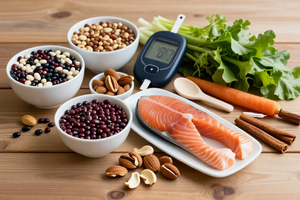
By consuming a range of plant-based protein sources throughout the day—such as beans, lentils, tofu, tempeh, nuts, seeds, and whole grains—you naturally create a complete amino acid profile. The body pools these amino acids from your meals, so they don’t need to be consumed simultaneously in one food.
Comparing Protein Sources
Consider lentils and brown rice. Lentils are lower in methionine but high in lysine, while brown rice is lower in lysine but contains methionine. Eating them together, or even separately over the course of a day, provides the full spectrum of building blocks your muscles need.
Myth 4: Protein Supplements Are a Necessity
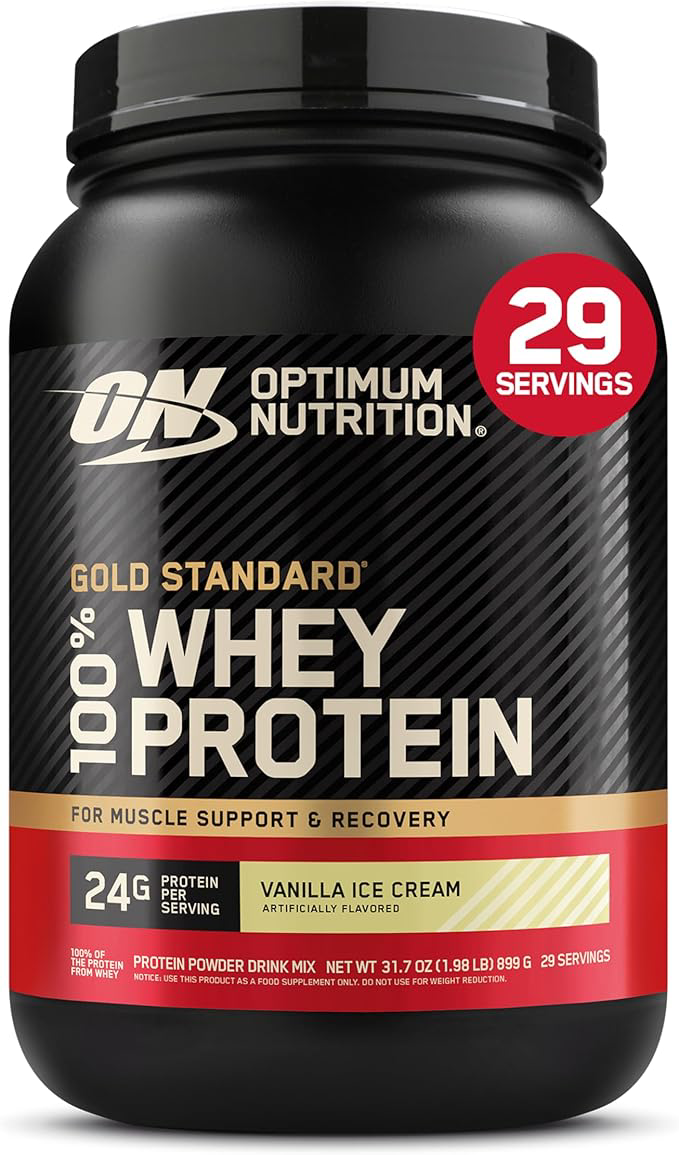
The supplement industry thrives on the idea that you need their products to succeed. In truth, protein powders, bars, and shakes are exactly what their category name implies: supplements. They are convenient tools, not magical necessities.
Whole food sources of protein—chicken, fish, eggs, dairy, beans, lentils—should form the foundation of your intake. They come packaged with other vital nutrients: vitamins, minerals, healthy fats, and fiber that supplements lack.
Use a protein supplement when it genuinely adds convenience, such as when you’re in a rush, traveling, or struggling to meet your needs through food alone on a particularly busy day. It should not be your primary or default source.
Myth 5: High-Protein Diets Are Harmful to Kidneys
This long-standing concern is typically taken out of context. For individuals with pre-existing kidney disease, a doctor may recommend moderating protein intake to reduce strain on the kidneys. However, for healthy individuals with normal kidney function, a high-protein diet is not shown to cause kidney damage.
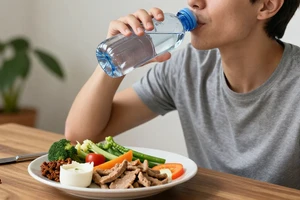
The body is adept at processing the nitrogen byproducts of protein metabolism. Staying well-hydrated is important on any diet, but especially so when protein intake is elevated, as it helps your kidneys flush waste products efficiently.
If you have no history of kidney issues, you can confidently consume protein within the recommended ranges for athletes without worry.
As with any significant dietary change, if you have underlying health conditions, it’s wise to consult with a healthcare professional.
Building a Smarter Protein Strategy
Ditching these myths allows you to focus on what truly works. Prioritize whole food sources, aim for a consistent daily intake spread across 3-4 meals, and pair your nutrition with a progressive resistance training program. Remember, protein supports the muscle-building process that exercise initiates; it doesn’t replace the work. By understanding its true role, you can use this powerful nutrient effectively, efficiently, and without unnecessary confusion.