You’re eating whole foods, choosing lean proteins, and filling your plate with vegetables. The scale, however, hasn’t budged in weeks, or maybe it’s even crept up. It’s a frustrating experience that can make you question everything you’re doing. Often, the culprit isn’t what you’re eating, but how much. Portion sizes have quietly ballooned over the decades, distorting our perception of a normal meal. Learning to recognize the subtle signs that your portions are too large is a more meaningful step toward your goals than any number on a scale.
This isn’t about meticulous calorie counting or restrictive measuring for life. It’s about cultivating awareness—a gentle check-in with your body and your habits. When you tune into these signals, you regain control not through deprivation, but through understanding.
You Rarely Feel True Hunger
Hunger is a natural, healthy signal, not an emergency to be avoided. If you find you’re eating simply because it’s “time to eat,” or you move from one meal or snack to the next without ever feeling a genuine stomach rumble, it’s a strong indicator your portions are providing more than your body needs at that moment.
Consistently oversized portions can stretch your stomach over time and dull your sensitivity to hunger and fullness hormones like ghrelin and leptin. You might start to interpret other cues—boredom, stress, or the sight of food—as hunger. Reconnecting with physical hunger means allowing a comfortable space between meals. It’s the difference between eating because your body asks for fuel and eating because your plate tells you to.
True hunger feels like a gentle, empty sensation in your stomach, not a headache or irritability.
You Feel Uncomfortably Full After Most Meals
That overly stuffed, sluggish feeling after a meal shouldn’t be the norm. It’s a direct message from your body that you’ve given it more work than it was prepared for. The goal of a meal is to reach a point of comfortable satisfaction, not fullness.
This signal often gets ignored because we’re conditioned to “clean our plates” or we eat so quickly that the fullness signal doesn’t have time to reach our brain until it’s too late. Pay attention to the midpoint of your meal. Put your fork down. Take a breath. Ask yourself how you feel. Stopping at “comfortably satisfied” or 80% full leaves you energized, not weighed down.
The 20-Minute Check-In
It takes about 20 minutes for your brain to register the fullness signals from your gut. If you finish a meal and immediately feel you could eat more, wait. Set a timer if you need to. Engage in a different activity. After that short window, reassess. You’ll often find the desire for more has passed, confirming your portion was actually sufficient.
Your Plate Composition Is Out of Balance
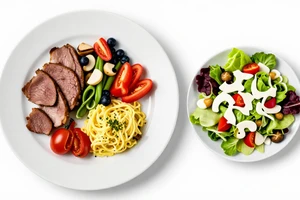
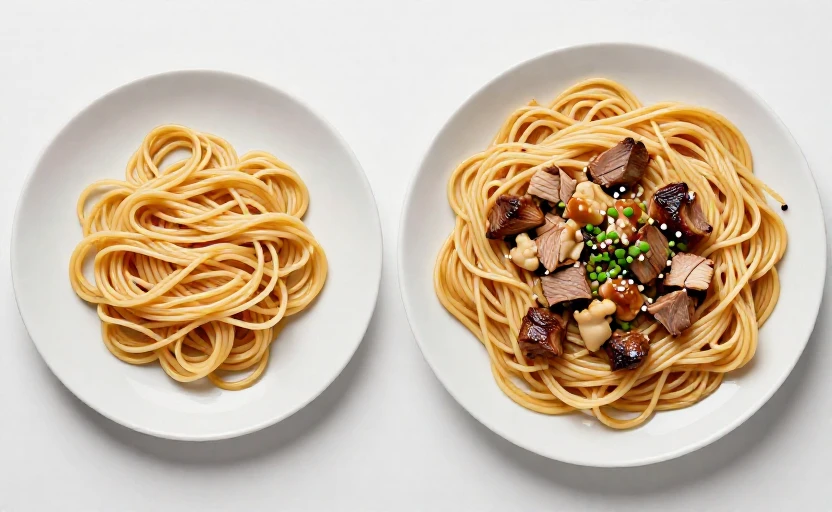
This is a visual cue you can spot before you even take a bite. While a large portion of broccoli is one thing, a plate dominated by dense, calorie-rich foods—even healthy ones—is a classic sign. Look at your typical dinner plate. What takes up the most real estate?
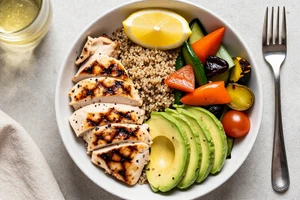
A balanced plate that supports healthy energy and weight is a simple model: half non-starchy vegetables, a quarter lean protein, and a quarter whole grains or starchy vegetables. If your grains or proteins are spilling over their quarters and your vegetables are a token garnish, your portion sizes for those calorie-denser foods are likely too large. It’s not that you shouldn’t eat them; it’s about right-sizing their role on your plate.
Shifting your portion awareness doesn’t require drastic measures. Start with one meal. Use your hand as a simple, always-available guide: a palm-sized portion for protein, a cupped hand for carbohydrates like grains or potatoes, and two fist-sized portions for vegetables. For fats like nuts or cheese, a thumb-sized portion is a good start.
Remember, these are starting points, not rigid rules. Your individual needs will vary. The real progress lies in moving away from autopilot eating and toward a more mindful, attuned relationship with food. When you get the portions right for you, the scale often follows—but more importantly, you’ll find a comfortable, sustainable rhythm that leaves you feeling well.