Building a balanced diet with diverse protein sources is a cornerstone of good nutrition, especially when exploring plant-based options. While meat alternatives like Beyond Meat have their place, the true magic of plant-powered eating lies in the incredible variety of whole foods available. These foods offer not just protein, but a symphony of fiber, vitamins, minerals, and antioxidants that work together to support your health.
Moving beyond any single product opens up a world of culinary possibilities and nutritional benefits. Let’s explore seven foundational plant-based foods that can help you achieve a well-rounded and satisfying protein intake.
What makes a plant-based protein source “complete”?
You’ve likely heard the term “complete protein,” which refers to a food containing all nine essential amino acids our bodies cannot produce. While animal products are typically complete, most individual plant foods are not. This is not a drawback, but a simple fact of plant biology. The key is variety. By eating a diverse range of plant foods throughout the day—like grains with legumes, or nuts with seeds—you naturally combine amino acids to form complete proteins. Your body is quite adept at this puzzle, so there’s no need for meticulous pairing at every single meal.
Think of your protein intake across the whole day, not just in one sitting. A varied plant-based diet reliably provides all the essential amino acids you need.
1. Lentils and Legumes
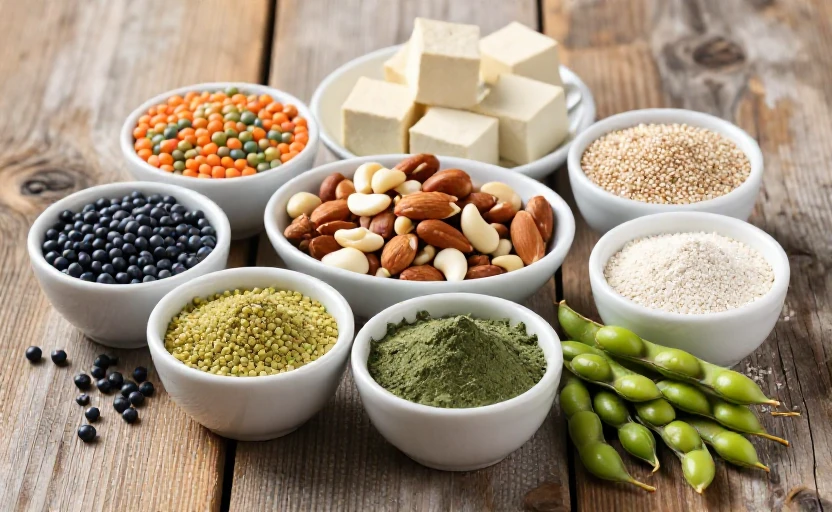
Lentils are a nutritional powerhouse and a staple in plant-based kitchens for good reason. A single cooked cup packs about 18 grams of protein alongside a substantial 15 grams of fiber. This combination promotes lasting fullness and supports stable blood sugar. They’re also rich in iron and folate. From red lentils that melt into soups to firm green or brown lentils perfect for salads and stews, their versatility is unmatched. Chickpeas, black beans, and kidney beans are other stellar members of the legume family, each bringing their own texture and nutrient profile to the table.
2. Tofu, Tempeh, and Edamame (Soy Foods)
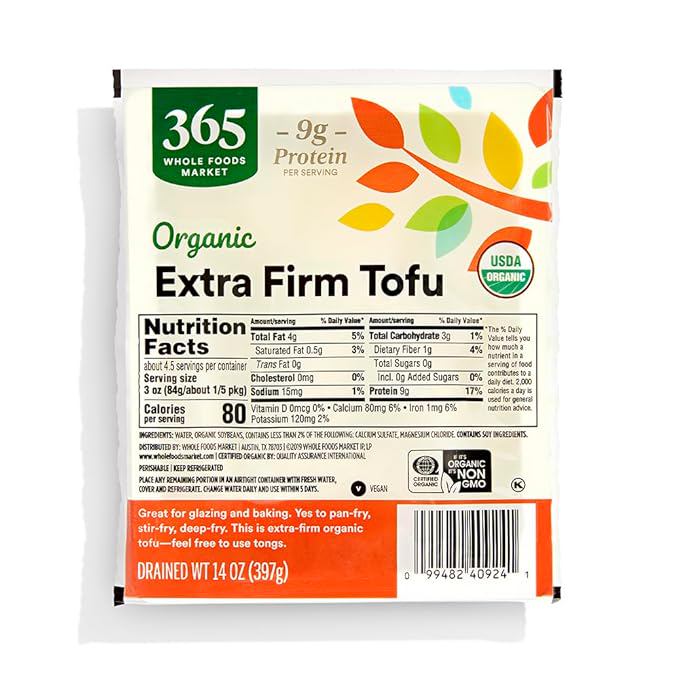
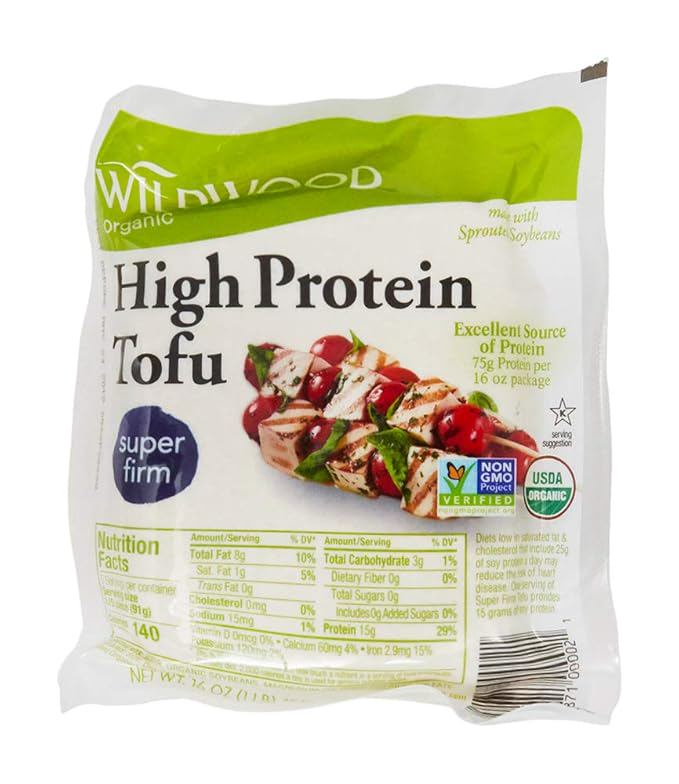
Soybeans are unique in the plant kingdom as a complete protein source. They come to us in several versatile forms. Tofu, made from coagulated soy milk, is a mild canvas that absorbs flavors from marinades and spices. Tempeh is made from fermented whole soybeans, resulting in a firmer, nuttier texture and beneficial probiotics. Edamame are young, green soybeans, often enjoyed steamed and sprinkled with salt as a snack. These foods are also excellent sources of calcium and iron.
3. Quinoa
Often mistaken for a grain, quinoa is actually a seed and one of the few plant foods that is a complete protein on its own. One cooked cup provides about 8 grams of protein and all nine essential amino acids. It’s also naturally gluten-free and a good source of magnesium, iron, and fiber. Its light, fluffy texture and mild flavor make it an easy substitute for rice or a hearty base for grain bowls.
4. Nuts and Seeds
While often considered fats—which they healthfully are—nuts and seeds contribute meaningful protein to your diet. Almonds, peanuts, walnuts, pumpkin seeds, hemp seeds, and chia seeds are all excellent choices. Hemp seeds, in particular, are noteworthy; just three tablespoons offer about 10 grams of complete protein. They also contain a beneficial ratio of omega-3 and omega-6 fatty acids. Sprinkling a mix of nuts and seeds on oatmeal, yogurt, or salads is an effortless way to boost protein and healthy fats.
5. Nutritional Yeast
A favorite in vegan cooking, nutritional yeast is a deactivated yeast with a savory, cheese-like flavor. Just two tablespoons can provide around 8 grams of complete protein. It’s also frequently fortified with B vitamins, including B12, which can be a concern in strictly plant-based diets. Use it to make “cheesy” sauces, sprinkle it over popcorn, or stir it into soups for an umami boost.
6. Whole Grains
Don’t overlook the protein in your pantry staples. Whole grains like oats, farro, barley, and whole-wheat pasta provide more protein than their refined counterparts. For example, a cup of cooked oats has about 6 grams of protein. When combined with legumes or seeds throughout the day, whole grains become a crucial part of the amino acid puzzle, while also delivering sustained energy from complex carbohydrates.
7. Spirulina
This blue-green algae is a potent, though less conventional, source of plant protein. It’s about 60-70% protein by weight and is a complete protein. Because it’s typically consumed in small amounts as a powder—a tablespoon has about 4 grams of protein—it’s best thought of as a supplement to your overall diet. Its distinct taste blends well into smoothies and can provide a concentrated dose of nutrients, including iron and antioxidants.
Embracing these foods isn’t about completely replacing one product with another; it’s about expanding your nutritional toolkit. Each brings its own set of benefits beyond protein, from the gut-friendly fiber in legumes to the heart-healthy fats in nuts and seeds. By incorporating a rotation of these seven foods, you build a diet that is not only rich in protein but also deeply nourishing and diverse in flavor and texture. The path to balanced plant-based protein is wonderfully broad, paved with whole, delicious foods waiting to be explored.