
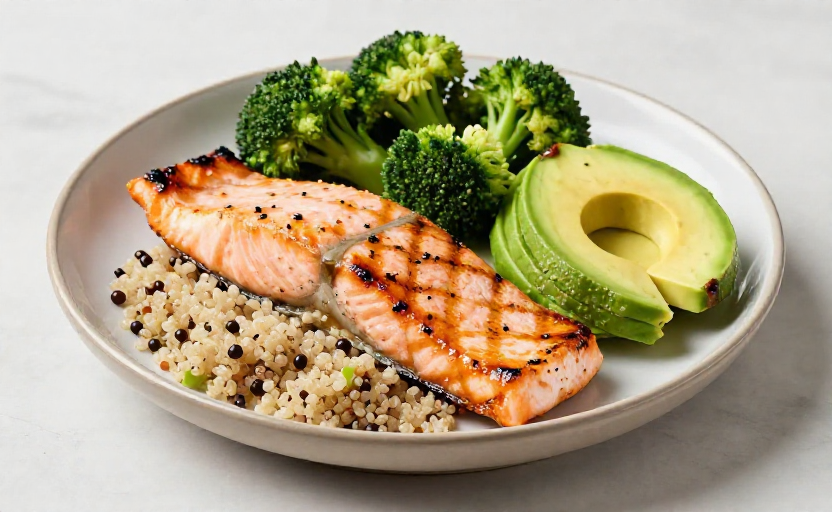
For decades, the conversation around food and weight has been dominated by a single, simple metric: calories. While energy balance is a foundational principle, it’s only part of the story. The quality of those calories—specifically, the balance of proteins, fats, and carbohydrates you consume—profoundly influences how you feel, how your body functions, and even how effectively you manage your weight.
Shifting focus from sheer quantity to the composition of your meals can be transformative. It’s not about restrictive dieting or complicated math, but about cultivating intuitive habits that help your body get the diverse nutrients it needs to thrive. Here are three expert-backed, sustainable habits to help you achieve a better macronutrient balance.
1. Build Your Meals Around a Protein Anchor
Protein is more than just a building block for muscle. It promotes satiety, helps stabilize blood sugar, and requires more energy for your body to digest than carbs or fats. Starting your meal planning with a quality protein source creates a stable foundation that naturally influences the rest of your plate.
Think of your protein as the anchor of the meal. This could be a palm-sized portion of chicken, fish, tofu, tempeh, lentils, or eggs. By placing this element first, you’re less likely to fill up on refined carbohydrates alone, which can lead to energy crashes and hunger soon after eating.
A simple rule of thumb: include a source of protein in every meal and snack.
This habit doesn’t require weighing food. Visually, aim for protein to occupy about a quarter of your plate. This single practice automatically creates a more balanced macronutrient profile, curbing the tendency for carb-heavy meals that lack staying power.
2. Prioritize Whole-Food Carbohydrates and Pair Them Wisely
Carbohydrates are your body’s primary fuel source, but not all carbs are created equal. The goal isn’t elimination, but intelligent selection and combination. Whole-food carbohydrates—like vegetables, fruits, legumes, and whole grains—come packaged with fiber, vitamins, and minerals that their refined counterparts lack.
Fiber is the key player here. It slows the digestion of carbs, leading to a more gradual release of glucose into your bloodstream. This steady energy supply prevents the spikes and crashes associated with sugary snacks and white bread.
To leverage this, make non-starchy vegetables (like leafy greens, broccoli, peppers, and zucchini) the largest portion of your plate. When you do enjoy grains or starchy veggies, pair them with that protein anchor and some healthy fats. For example, have brown rice with salmon and avocado, or sweet potato with black beans and a drizzle of olive oil. This combination of protein, fat, and fiber from complex carbs creates a synergistic effect for sustained energy and fullness.
Listen to Your Body's Response
Pay attention to how different carb sources make you feel. Do you feel energized and satisfied after a bowl of oatmeal, or sluggish? Your personal response is a valuable guide. The fiber in whole-food carbs also supports gut health, feeding the beneficial bacteria in your microbiome, which is increasingly linked to overall well-being.
3. Embrace Healthy Fats as a Necessary Nutrient
Fat was once unfairly vilified, but we now understand its crucial role in hormone production, nutrient absorption, brain health, and cellular function. Including healthy fats is essential for a true macronutrient balance.
The focus should be on incorporating unsaturated fats and being mindful of saturated fat intake. Avocados, nuts, seeds, olives, and their oils (like olive and avocado oil) are excellent staples. Fatty fish like salmon and sardines provide the bonus of omega-3 fatty acids, which are important for reducing inflammation.
Fat also adds flavor and satisfaction to meals, which contributes to feeling content and less likely to seek out extra snacks. Add a tablespoon of nuts or seeds to your yogurt, include half an avocado in your salad, or cook your vegetables in a bit of olive oil.
Remember, these habits are designed for integration, not perfection. You’re not counting grams or hitting a rigid percentage target. You’re simply adjusting the framework of your plate to include all three macronutrients in a thoughtful way. Start by implementing one habit at a time. Notice how you feel—your energy levels, your hunger cues, your digestion. This mindful approach turns macronutrient balance from a clinical concept into a practical, feel-good way of eating that supports your health far beyond the calorie count.