You’ve likely heard the advice to use a smaller plate if you’re trying to manage your portions. It sounds almost too simple to be effective. Yet, the connection between the dishware you use and the amount of food you serve yourself isn’t just folk wisdom—it’s a well-documented phenomenon in behavioral psychology. The plates, bowls, and even utensils you reach for every day create a visual context that quietly guides your hand, often without you realizing it.
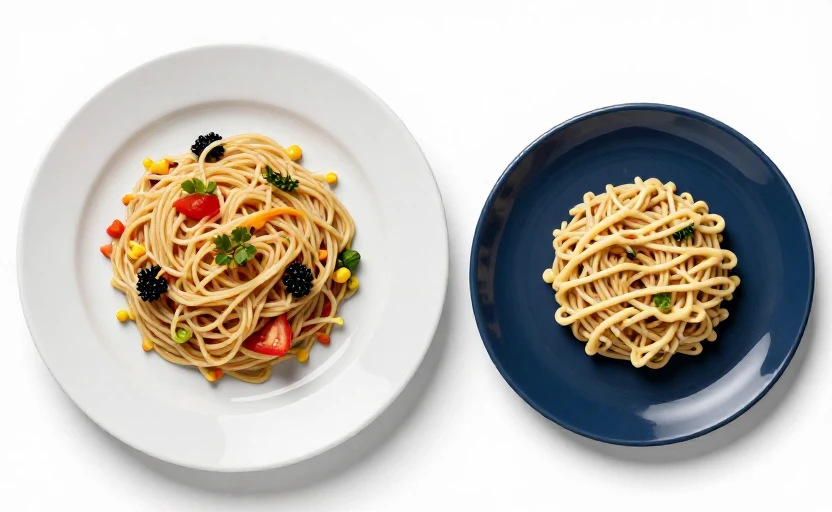
This isn’t about willpower. It’s about visual cues and a concept known as the Delboeuf illusion, where a circle appears smaller when surrounded by a much larger circle. On your dinner table, that translates to a serving of pasta looking meager on a large plate but ample on a smaller one. Your brain gets a signal about what ‘enough’ looks like based on the frame of reference you provide it. By understanding how this works, you can set up your kitchen environment to support your goals, making mindful eating feel more intuitive and less like a constant battle.
Why a Smaller Plate Can Lead to a Smaller Waistline
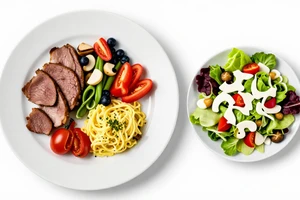
The core idea is deceptively straightforward: we tend to fill the space available. A standard dinner plate has grown in diameter by over 20% since the 1960s, and as plates expanded, so did our portion norms. When you place a modest serving on a vast expanse of china, your perception is that you’re not eating much. This can trigger a subconscious urge to add more food or leave you feeling unsatisfied after a meal, even if the calorie count is sufficient.
Switching to a salad plate or a slightly smaller dinner plate creates a helpful visual trick. The same amount of food now occupies more of the plate’s surface area, creating a perception of abundance. Your brain registers a ‘full plate,’ which is a powerful satiety cue. Research, including studies where participants served themselves at buffets, consistently shows that people serve and consume less when using smaller plates, especially when serving themselves.
The goal isn’t to feel deprived, but to feel satisfied by an appropriate portion.
Color Contrast: The Hidden Power of Your Place Setting
Size is only part of the story. The color relationship between your food and your plate plays a surprisingly significant role. Low contrast between food and plate—think pasta with alfredo sauce on a white plate—makes it harder for your brain to accurately judge portion size. The boundaries blur, and it’s easy to overserve.
High contrast, however, creates a clear definition. A vibrant green salad on a white plate, or a piece of salmon on a dark blue dish, makes the portion visually ‘pop.’ This increased clarity helps you see exactly how much you’re taking, promoting more deliberate serving. Some studies suggest that when contrast is high, people serve up to 30% less. It’s a simple switch: using plates that contrast with your staple foods can act as a built-in portion control guide.
What About Bowl and Glass Size?
The same principles apply to everything you eat and drink from. Deep bowls can be particularly tricky, as they hide volume. You can pour a large amount of cereal or soup into a wide bowl before it looks full. Tall, slender glasses tend to make us pour less liquid than short, wide tumblers of the same volume, which is a useful tip for mindful hydration or managing sugary drink intake.
Putting It Into Practice: Resetting Your Table
You don’t need to buy an entirely new set of dishware. Start by auditing what you have. Pull out your smaller plates and bowls and move them to the front of the cabinet. Designate your large platters for serving vegetables at the table, not for your individual meal.
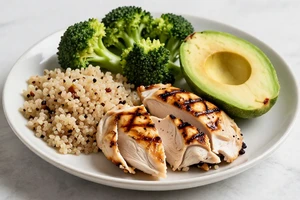
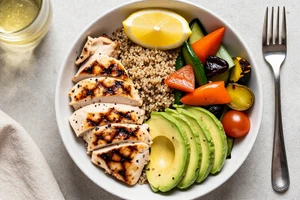
When plating a meal, try this sequence: fill half of your smaller plate with non-starchy vegetables first, then add your protein, and finally any grains or starches. The plate framework naturally encourages a balanced distribution. For foods that are easy to overeat straight from the package—like chips, nuts, or ice cream—always serve them in a bowl or on a plate. The act of transferring from container to dish creates a conscious portion point.
- Downsize your dinner plates: If your plates are 12 inches or larger, try using your 9- or 10-inch salad plates for main meals.
- Embrace contrast: Use white or brightly colored plates for dark, colorful foods (like salads, roasted vegetables, dark pasta sauces), and use darker plates for lighter foods (like rice, fish, or light-colored sauces).
- Choose smaller bowls: Opt for cereal or soup bowls that hold 1-2 cups max, rather than oversized mixing-style bowls.
- Use tall glasses for water: Keep a tall, thin glass by the sink to encourage drinking more water throughout the day.
Ultimately, adjusting your dishware is a form of ‘choice architecture’—designing your environment to make the healthier choice the easier choice. It removes the need for constant measuring or calorie counting at every meal. By letting your plates, bowls, and glasses do some of the work, you free up mental energy to enjoy the food itself, listening to your body’s signals of hunger and fullness with greater clarity. It’s a gentle, sustainable shift that turns your table into a supportive space for well-being.