
You’ve been tracking your food, maybe even weighing portions, and you’re sure the math adds up. Yet the scale isn’t budging, or perhaps it’s even creeping upward. It’s a frustrating and all-too-common experience that can make you question everything. Before you slash your calories further or give up in despair, it’s worth asking a simple, critical question: are you really in a calorie deficit?
The principle of a calorie deficit—consuming fewer calories than your body burns—is the foundation of weight loss. But the gap between theory and practice can be surprisingly wide. Our bodies and our tracking are imperfect. The good news is that your body often sends clear signals when the deficit you’re aiming for isn’t materializing. Learning to recognize these signs can save you months of stalled effort and help you adjust your approach effectively.
1. Your Weight Hasn't Changed in 3-4 Weeks
This is the most obvious red flag, but it requires careful interpretation. Weight loss isn’t perfectly linear; water retention, hormonal cycles, and digestive contents can cause daily fluctuations that mask fat loss. A single week’s plateau is not a definitive sign.
However, if you’ve seen zero downward trend on the scale for three to four consecutive weeks—despite consistent effort—it’s a strong indicator that you are not in a sustained calorie deficit. At this point, it’s less about patience and more about recalibration. Your maintenance calories—the number you need to stay at your current weight—may be lower than you or your calculator estimated, or your intake might be higher than you’re accounting for.
Look at the trend, not the daily number. A true deficit will show a downward slope over time.
2. You're Experiencing No Changes in Body Composition or Measurements
Sometimes the scale is a liar. In rare cases, particularly for those new to resistance training, you might be gaining muscle while losing fat, a process called body recomposition. This can stall scale weight while your physique changes.
But if, after a month, you also see no change in how your clothes fit, no difference in the way you look in the mirror, and no progress in tape measurements (like your waist, hips, or thighs), then recomposition is unlikely. You are likely at energy balance. The tape measure and your favorite pair of jeans are honest brokers; if they’re telling the same story as the stagnant scale, your deficit isn’t there.
3. You Feel Energized and Never Hungry
This sign is counterintuitive. We often believe successful dieting should feel easy. But a genuine calorie deficit, by its very nature, creates an energy gap. Your body notices.
While you shouldn’t be ravenous or lethargic all the time, a complete absence of hunger cues, paired with steady, high energy levels throughout the day, can signal that you’re eating at or very near maintenance. Your body has no reason to send strong hunger signals or dip into stored energy if you’re fueling it adequately. A mild, manageable hunger, especially between meals, is a normal biological response to a modest deficit.
Listen to your body’s whispers before they become shouts. Consistent, easy energy might mean you’ve found a great maintenance plan, not a weight loss one.
4. Your Tracking Has Gaps or Relies on Estimates
This is where the rubber meets the road. Our perception of portion sizes is notoriously flawed. What you log as a tablespoon of oil might be two. The restaurant’s “healthy” salad could harbor 800 calories in dressing and toppings. That handful of nuts while cooking, the splash of cream in coffee, the “just one bite” of a partner’s dessert—these untracked bites consistently add up to hundreds of unaccounted calories.
Common tracking pitfalls include:
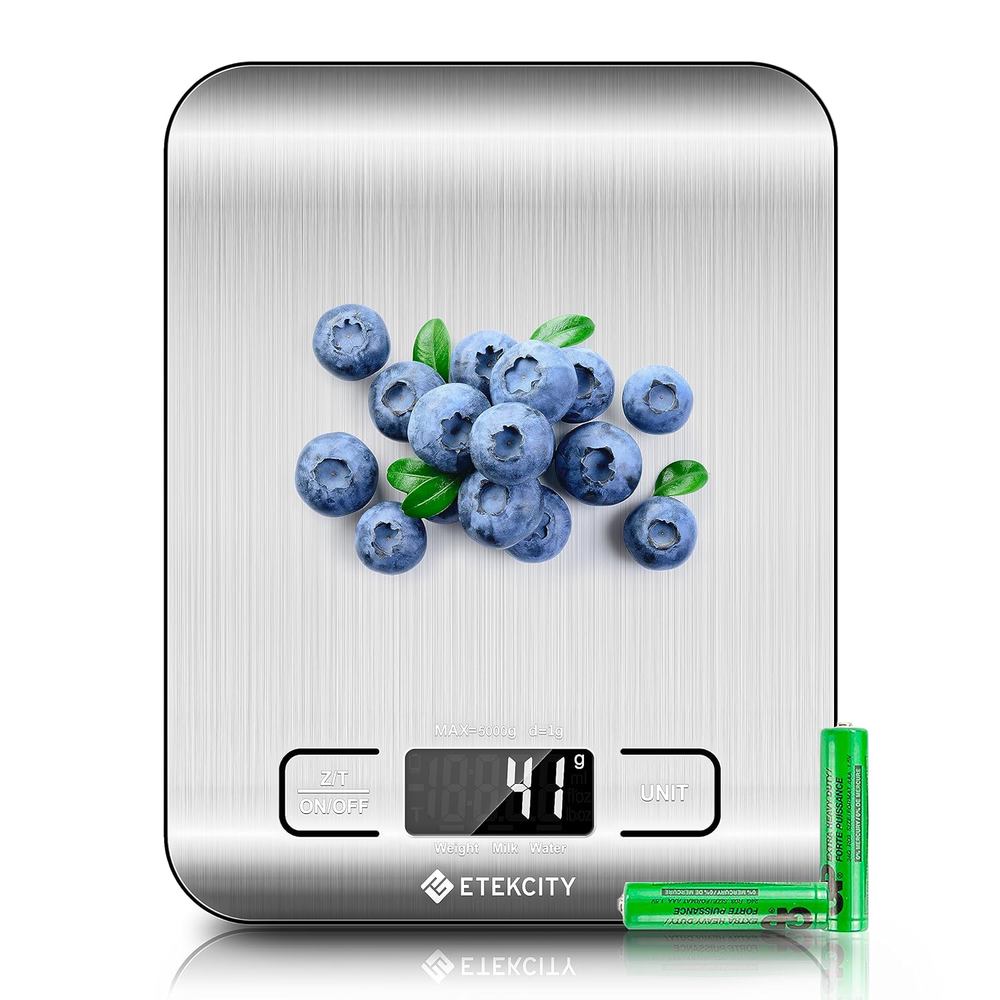
- Using volume measures (cups, spoons) for calorie-dense foods like nuts, oils, and nut butters instead of a kitchen scale.
- Not logging cooking fats, condiments, sauces, and beverages.
- Relying on generic database entries that may not match your specific food.
- Overestimating calories burned through exercise and “eating them back.”
If your tracking isn’t meticulous, especially for high-fat and high-sugar items, you’re likely consuming more than you think. The deficit you see in your app may not exist in reality.
What to Do If You See These Signs
Recognizing the problem is the first step. The next is a calm, systematic adjustment—not a drastic overhaul.
Start by auditing your tracking for one week. Weigh and measure everything, even the small stuff. You might discover your “eye-balled” portions are the culprit. Second, recalculate your needs. If you’ve lost some weight already, your maintenance calories are now lower. A small reduction of 100-200 calories from your current intake, or a slight increase in daily movement (like adding a walk), can re-open the deficit.
Finally, consider non-scale factors like sleep and stress. Poor sleep and high cortisol levels can influence hunger hormones and water retention, making a true deficit harder to achieve and see. Prioritizing rest is not separate from your diet; it’s a core part of making it work.
The goal isn’t to live in a drastic deficit forever, but to find the modest, sustainable gap that allows for gradual, healthy change. When your body shows you these signs, it’s not failing you—it’s giving you the data you need to succeed.