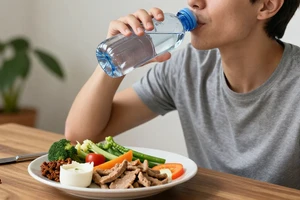
Protein is a cornerstone of a healthy diet, essential for building muscle, repairing tissue, and supporting countless bodily functions. Yet, even with the best intentions, it’s surprisingly easy to fall into patterns that prevent you from getting the full benefit from this vital nutrient. The mistakes often aren’t about eating too little protein, but about how and when we consume it. Let’s explore two of the most common missteps that can undermine your efforts and how to adjust your approach for better results.
Mistake 1: Loading All Your Protein Into One Meal
For many, dinner is the protein powerhouse—a large chicken breast, a hefty steak, or a generous piece of fish. While this meal might hit your daily protein target on paper, your body may not be able to use it all effectively at once. There’s a limit to how much protein your muscles can synthesize for repair and growth in a single sitting, often referred to as the “muscle full” effect. Consuming far beyond this threshold in one meal means the excess amino acids are often oxidized for energy or stored, rather than being used for their primary building purposes.
Think of protein intake like fueling a fire. You need to add logs consistently throughout the day to keep it burning steadily, not dump an entire pile on at once.
This pattern also leaves other meals protein-poor. A low-protein breakfast or lunch can lead to energy slumps, increased cravings, and less satiety, making it harder to manage overall calorie intake. The goal is to create a consistent supply of amino acids in your bloodstream, supporting muscle protein synthesis throughout your waking hours and keeping you feeling full and focused.
A Simpler Approach: Protein Pacing
You don’t need to meticulously count grams at every snack. Instead, aim for a moderate amount of protein in each of your main meals and, if needed, in one or two snacks. A practical guideline is to include a palm-sized portion of a protein source—like eggs, Greek yogurt, tofu, lean meat, or legumes—with each meal. This visual cue helps distribute your intake more evenly without complex calculations.
Mistake 2: Overlooking Protein Quality and Diversity
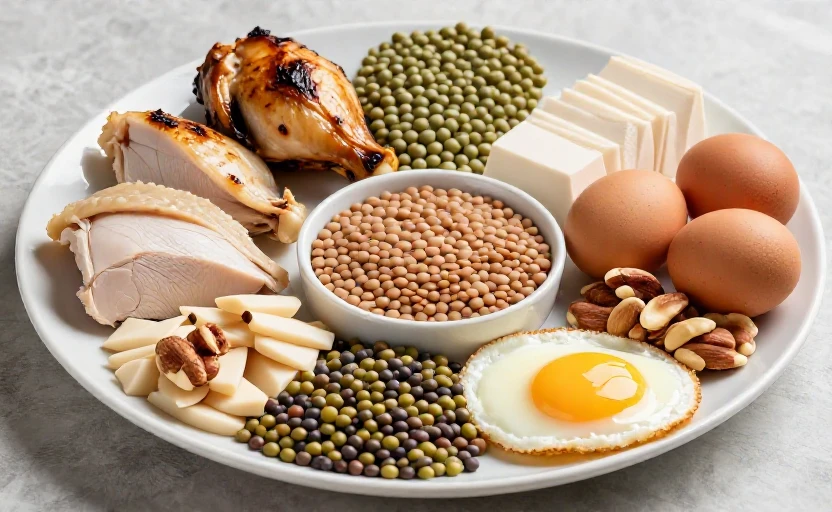
The second common error is relying on just one or two protein sources. Perhaps you eat chicken breast for lunch and a protein shake after the gym, day after day. While convenient, this narrow focus can mean missing out on the full spectrum of amino acids and the unique nutritional benefits different proteins offer. Complete proteins, which contain all nine essential amino acids our bodies cannot make, are primarily found in animal products (meat, fish, eggs, dairy) and a few plant sources like soy and quinoa.
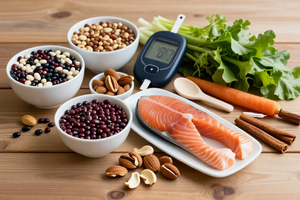
Many plant-based proteins—beans, lentils, nuts, and whole grains—are “incomplete,” meaning they lack one or more essential amino acids. This isn’t a drawback if you combine complementary plant proteins throughout the day, like beans with rice or hummus with whole-grain pita. Variety ensures you get a broader range of nutrients, including different vitamins, minerals, and fibers that come packaged with protein foods.
Putting It Into Practice
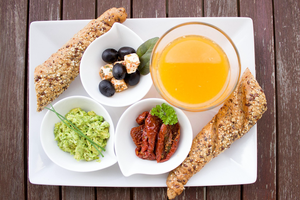
Correcting these mistakes is less about a drastic overhaul and more about mindful shifts. Start your day with a protein-rich breakfast, such as scrambled eggs or Greek yogurt with nuts. For lunch, include a lean protein like grilled chicken, chickpeas in a salad, or lentils in a soup. At dinner, you can still enjoy your protein centerpiece, but its portion can be slightly smaller since you’ve been nourishing your body all day.
Embrace diversity by rotating your protein sources through the week. Try fish on Monday, tofu on Tuesday, beans on Wednesday, and so on. This not only improves your nutritional intake but also makes meals more interesting.
Ultimately, optimizing your protein intake is about consistency and quality, not just quantity. By spreading your intake across meals and embracing a variety of sources, you support your body’s needs more effectively, promoting better muscle health, sustained energy, and overall well-being.