
You might be eating plenty, but are you truly nourishing your gut? Fiber often gets overshadowed by trends like protein or net carbs, yet it’s fundamental to how we feel every day. A deficiency doesn’t always announce itself with dramatic flare; more often, it whispers through a series of subtle, nagging signals that we might blame on stress, aging, or a busy schedule.
Recognizing these quiet signs is the first step toward rebalancing your intake and supporting your long-term health from the inside out.
What does fiber actually do for you?
Think of fiber as the gentle custodian of your digestive system. Unlike other nutrients, it isn’t broken down and absorbed. Instead, it moves through your gut, performing essential housekeeping. Soluble fiber dissolves in water, forming a gel that helps slow digestion, regulate blood sugar, and lower cholesterol. Insoluble fiber adds bulk to stool, helping it pass more smoothly and regularly.
Beyond digestion, fiber feeds the trillions of beneficial bacteria in your gut microbiome. These bacteria ferment fiber, producing short-chain fatty acids that reduce inflammation, strengthen the gut lining, and even influence mood and immunity. When fiber is in short supply, this entire system can begin to falter.
Five subtle signs you might need more fiber
If you’re experiencing any of the following, it could be your body’s way of asking for more roughage.
1. Persistent constipation and irregularity
This is the most classic signal. If you’re straining, experiencing hard stools, or having fewer than three bowel movements a week, insufficient fiber is a likely culprit. Without adequate bulk, waste moves sluggishly through the colon.
Consistency matters more than frequency. Ideally, stools should be soft and passed comfortably.
2. Feeling hungry soon after eating
Do you finish a meal only to feel peckish an hour later? Meals low in fiber, especially those heavy in refined carbs, are digested quickly, causing a rapid spike and subsequent drop in blood sugar. Fiber slows this process, promoting a lasting feeling of fullness and satiety.
3. Energy crashes and brain fog
That mid-afternoon slump or difficulty concentrating might be linked to unstable blood sugar levels. By moderating how quickly sugar enters your bloodstream, fiber provides a steadier, more reliable source of energy for both your body and brain.
4. Unmanaged cholesterol levels
While genetics and other factors play a role, a diet consistently low in soluble fiber can miss an opportunity for heart health. Soluble fiber binds to cholesterol particles in the digestive system and helps remove them from the body.
5. Skin flare-ups or dullness
The gut-skin connection is powerful. When digestion is sluggish or the microbiome is unbalanced due to low fiber intake, inflammation can increase. This may manifest as unexplained acne, eczema, or a general lack of skin radiance.
These signs can have multiple causes. It’s wise to discuss persistent symptoms with a healthcare provider.
How to thoughtfully increase your fiber intake
If these signs resonate, the solution isn’t to suddenly overload your system. A drastic increase can cause bloating and gas. Instead, aim for a gradual shift.
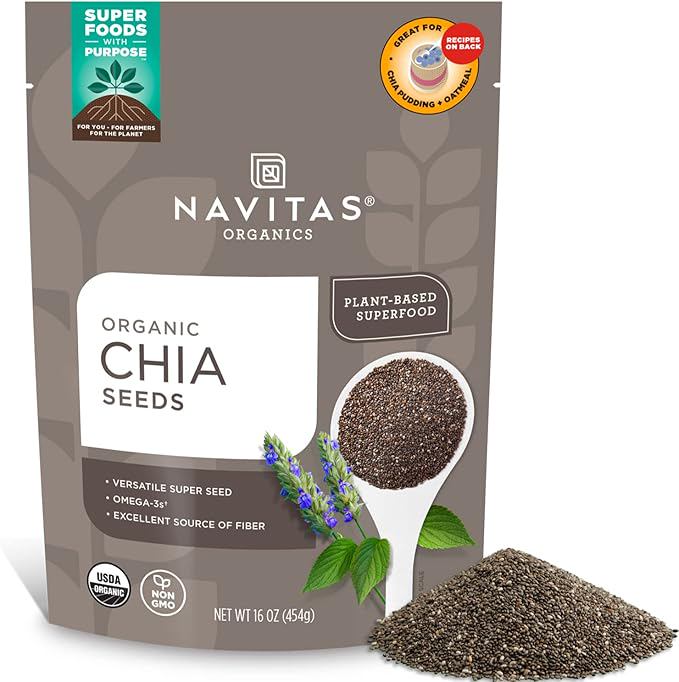
- Start with breakfast: Swap refined cereal for oatmeal or a high-fiber bran cereal. Add a handful of berries or chia seeds.
- Upgrade your snacks: Choose an apple with its skin, a handful of almonds, or carrot sticks with hummus instead of processed crackers.
- Embrace the half-plate rule: Aim for half of your lunch and dinner plate to be non-starchy vegetables like broccoli, leafy greens, or peppers.
- Choose whole grains: Select whole-wheat bread, brown rice, quinoa, or barley over their refined, white counterparts.
- Incorporate legumes: Add lentils, black beans, or chickpeas to soups, salads, and stews a few times a week.
As you increase fiber, drinking plenty of water is non-negotiable. Fiber needs fluid to do its job effectively. Without it, you might worsen constipation.
A note on fiber and popular diets
Some eating patterns, like very low-carb or ketogenic diets, inherently restrict major fiber sources such as whole grains, legumes, and certain fruits. While these diets have their proponents, it’s crucial to be mindful of the potential for fiber deficiency. If following such a plan, one must be exceptionally deliberate about seeking fiber from allowed vegetables, nuts, and seeds to avoid the subtle signs we’ve discussed.
Listening to your body’s quiet cues is a form of self-care. Ensuring adequate fiber isn’t about a restrictive diet; it’s about incorporating a diversity of whole, plant-based foods that support your digestive health, energy, and overall well-being for the long run.