We’ve all heard the good news: healthy fats are essential. Avocado toast, olive oil drizzles, and a handful of nuts are celebrated staples of a nutritious diet. But here’s the nuance that often gets lost in the celebration: even the healthiest nutrients have a tipping point. Your body needs fat for hormone production, vitamin absorption, and energy, but it also thrives on balance. When your intake of even these beneficial fats consistently overshadows the rest of your plate, your body will send signals. Learning to recognize them is key to moving from a mindset of restriction to one of harmonious nourishment.
This isn’t about fear or labeling foods as ‘bad.’ It’s about tuning into your body’s feedback. When your fat balance is off, the signs are often subtle and easily attributed to other factors—a busy schedule, not enough sleep, general stress. By bringing a gentle awareness to these cues, you can make intuitive adjustments that support your overall well-being without resorting to drastic measures.
What Does “Too Much” Healthy Fat Actually Mean?
First, let’s clarify scope. We’re talking about the unsaturated fats found in foods like olive oil, nuts, seeds, avocados, and fatty fish. These are unequivocally good for heart and brain health. The concept of “too much” is relative and personal, hinging on your total calorie needs, activity level, and the composition of your entire diet.
The issue arises when these fats displace other crucial elements. A diet skewed heavily toward fat, even high-quality fat, can inadvertently become low in fiber, complex carbohydrates, or adequate protein. It’s the proportion and the overall dietary pattern that matter most. Think of your plate as an ecosystem; diversity is its strength.
Three Subtle Signs Your Fat Intake May Be Out of Balance
These signals are your body’s way of asking for a nutritional recalibration. They suggest it might be time to assess not just what you’re eating, but how the pieces fit together.
1. You Feel Sluggish After Meals, Not Satisfied
Healthy fats are meant to provide sustained energy and satiety. But when a meal is exceptionally high in fat, the digestive process becomes more demanding. Fats take longer to break down, which can lead to a feeling of heaviness or prolonged fatigue post-meal.
Listen to your energy: A balanced meal should leave you feeling comfortably full and energized, not weighed down.
If you regularly experience an energy crash or a bloated, sluggish feeling after eating—especially if the meal was rich in oils, nuts, or avocado—consider the balance. Was the meal mostly fat with minimal complex carbs (like whole grains or starchy vegetables) or lean protein? Adding these elements can help modulate digestion and provide more readily available energy.
2. Your Weight Has Crept Up, Despite “Clean” Eating
This is a common and frustrating scenario. You’re choosing wholesome foods, yet the scale is inching upward. Healthy fats are calorie-dense—about 9 calories per gram, compared to 4 for protein and carbs. It’s remarkably easy to consume a large number of calories from fats in small volumes.
- A generous pour of olive oil on your salad can add hundreds of calories.
- A large handful of nuts instead of a small one can double your intake.
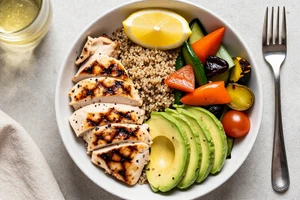
- Adding both avocado and a nut-based dressing to a bowl creates a fat-on-fat scenario.
This isn’t a call to measure every drop. It’s an invitation to practice mindful portioning. Visual cues can help: a serving of oil is about a tablespoon (the size of your thumb tip), a serving of nuts fits in a small palm, and half an avocado is a standard portion. Awareness, not obsession, is the goal.
3. Your Skin Is Acting Up
Diet and skin health are deeply connected. While healthy fats are vital for supple skin, an imbalance can sometimes manifest as new breakouts or oiliness for some individuals. The mechanism isn’t fully straightforward and is highly individual, but it may relate to overall dietary inflammation or hormonal shifts influenced by significant fat intake.
If you notice skin changes alongside a diet very high in fats, it’s worth exploring the pattern. The solution is rarely to eliminate healthy fats altogether, but to ensure you’re also consuming plenty of skin-supportive nutrients like antioxidants from colorful vegetables, vitamin C from fruits, and zinc from legumes and seeds.
Restoring Balance Without Deprivation
Correcting course is simple and positive. It’s about addition and adjustment, not subtraction.
Prioritize Whole Food Sources. Get most of your fats from whole foods like avocados, nuts, seeds, and fish, rather than from oils alone. Whole foods provide fiber, protein, and micronutrients alongside the fat, promoting natural balance and satiety.
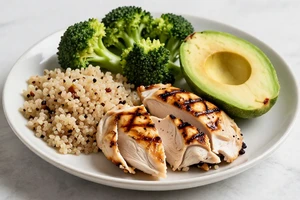
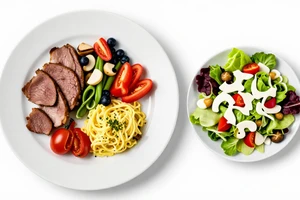
Follow the Plate Method as a Guide. Aim for a visual balance: fill half your plate with non-starchy vegetables, a quarter with lean protein, and a quarter with complex carbohydrates. Then, add a moderate serving of healthy fat—a drizzle of dressing, a few slices of avocado, or a sprinkle of seeds—as a complement, not the main event.
Check Your Protein and Fiber. Often, a fat-heavy diet is light in these areas. Ensure you’re including adequate protein (beans, lentils, tofu, poultry, fish) and fiber (berries, vegetables, whole grains, legumes) at every meal. They enhance fullness, stabilize blood sugar, and support a diverse gut microbiome.
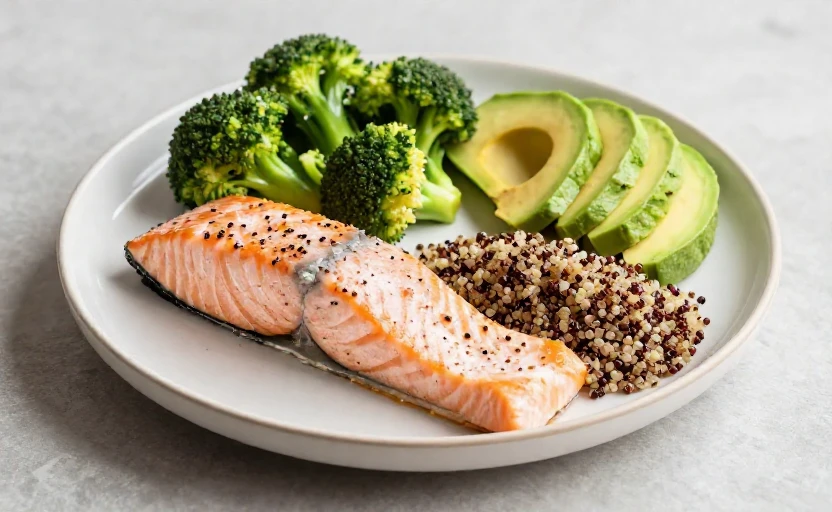
Embrace Variety. Rotate your fat sources. Have fatty fish like salmon one day, walnuts and flaxseed the next, and avocado another. This ensures a broad spectrum of fatty acids and nutrients.
When to Consider a Deeper Look
For most people, adjusting portions and plate composition resolves these signs. However, if you experience persistent digestive distress, significant unexplained weight changes, or have concerns about metabolic health, a conversation with a registered dietitian or doctor is invaluable. They can help you personalize your nutrient ratios based on your unique health profile, activity, and goals.
Remember, nutrition is a lifelong conversation with your body. The goal isn’t perfection, but awareness. By recognizing these gentle signals, you empower yourself to make shifts that foster genuine vitality, ensuring that the healthy fats you love continue to serve your well-being for the long term.