
You nailed your squats, crushed your final set of rows, and walked out of the gym feeling like a champion. But an hour later, you're crashing hard—brain foggy, stomach gurgling, or maybe so hungry you could eat the couch. The culprit might not be your workout intensity. It might be the snack you grabbed right after.
Post-workout nutrition is deeply personal. What fuels your training partner might leave you feeling sluggish or bloated. Learning to read your body's signals can save you from wasted effort and uncomfortable afternoons. Here are three clear signs that your current post-workout snack is working against you—and what to do about it.
1. You feel heavy, bloated, or nauseous within 30 minutes
Digestion slows during intense exercise as blood flow shifts to your muscles. Your gut needs a gentle reintroduction to food. If you feel like you've swallowed a brick shortly after eating, you're likely choosing something too high in fiber or fat too soon.
Think of your first post-workout snack as a re-entry meal, not a feast. Keep it simple.
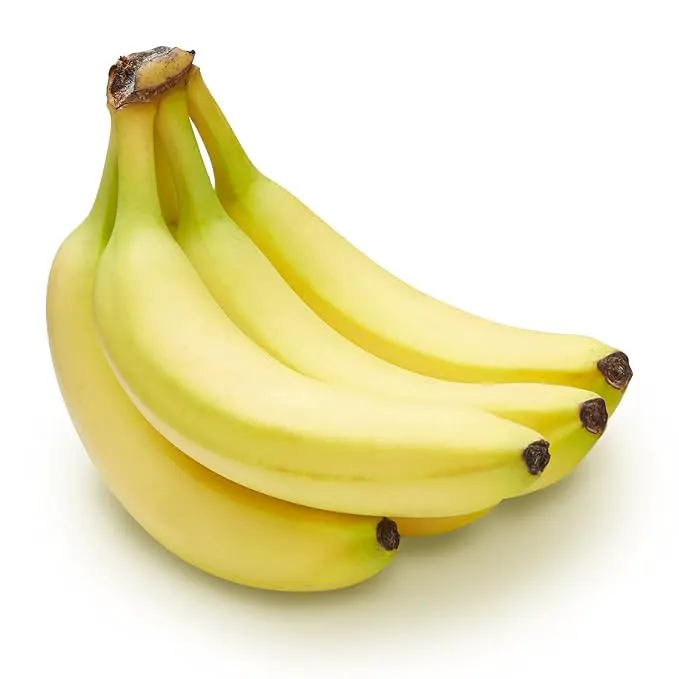
A fat-heavy snack like a handful of nuts, a rich protein bar, or a whole avocado smoothie can sit in your stomach while your body is still trying to cool down and repair. The same goes for a huge raw vegetable salad. Instead, aim for a simple combination of fast-digesting carbohydrates and a moderate amount of lean protein—think a banana with a scoop of whey or plant protein, or a few rice cakes with a thin spread of peanut butter.
2. Your energy crashes hard an hour later
Post-workout fatigue is normal, but a blood sugar roller coaster isn't. If you feel alert and energized right after your snack, only to slump into an afternoon fog 45 to 60 minutes later, you're likely overloading on refined sugars without enough protein or fiber to buffer the spike.
This is classic with high-sugar recovery drinks, fruit juices, or sports candies. They send glucose into your bloodstream rapidly. Your pancreas responds by releasing a surge of insulin, which causes blood sugar to drop just as fast, leaving you tired, irritable, and hungry again.
A better choice includes a carb source that's not pure sugar—like a sweet potato, oats, or fruit—paired with enough protein (about 15–25 grams for most people) to promote steady glucose levels and muscle repair.
3. You aren't hungry for hours—or you're ravenous all afternoon
Your appetite is a powerful feedback tool. If you eat your post-workout snack and feel no hunger signals for five or six hours, you may have overshot your energy needs. On the flip side, if you feel insatiable and ready for a second meal within 30 minutes, your snack likely lacked enough substance or protein.
This second scenario is more common. Many people grab a piece of fruit or a small rice cake after lifting and wonder why they're starving by noon. Muscle tissue repair requires amino acids, and carbs help transport them. A snack that's all carbs and very little protein won't keep your appetite settled or your muscles recovering optimally.
Listen to your stomach, not the clock. If you're genuinely hungry sooner than expected, your snack needs a protein boost.
Aim for a ratio closer to 3:1 or 4:1 carbs to protein for most strength workouts (for example, 40 grams of carbs and 10 to 15 grams of protein). This supports glycogen replenishment without overdoing calories.
What should you change first?
If one of these signs sounds familiar, don't overhaul everything at once. Pick one variable to adjust: the timing, the composition, or the portion size. Try eating within 30 minutes of finishing your workout, not an hour later. Swap a liquid snack for a solid one (or vice versa). Reduce fat and fiber in your immediate post-workout window and save the heavy meals for later in the day.
Your body gives honest feedback. The goal isn't to follow a rigid rulebook—it's to find the snack that leaves you feeling recovered, energized, and ready for your next session.