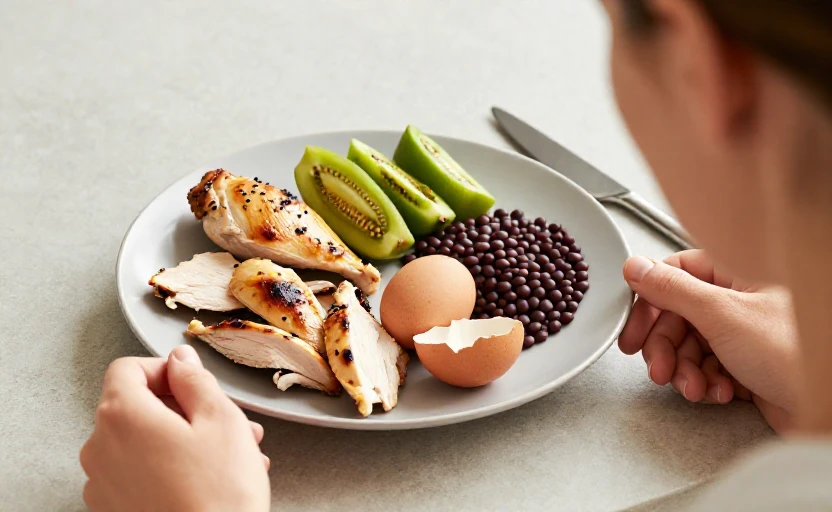
Protein is more than just a buzzword on a nutrition label. It’s the fundamental building block for our muscles, bones, skin, and hormones, essential for repairing tissues and keeping our bodies functioning smoothly. Yet, amid the noise of diet trends, many of us quietly wonder if we’re getting enough. It’s not always about dramatic deficiencies; sometimes it’s a subtle, persistent feeling of not quite being at your best.
Rather than getting lost in complex calculations, you can start with a few simple, reflective questions. Tuning into your body’s signals can offer the first clues about whether your protein intake is supporting you the way it should.
Do you feel hungry again soon after eating?
If you find yourself rummaging through the pantry an hour or two after a meal, your plate might be missing a key satiety player. Protein has a powerful effect on fullness. It slows digestion and triggers the release of hormones that signal satisfaction to your brain.
Meals or snacks that are heavy on refined carbohydrates and light on protein can cause a rapid spike and subsequent crash in blood sugar, leaving you searching for another quick energy fix. Including a solid protein source—like Greek yogurt, a couple of eggs, or some lentils—helps create a steadier release of energy and can keep hunger pangs at bay for longer.
If you're constantly snacking, consider whether your main meals have enough protein to anchor them.
Are you struggling to maintain or build muscle?
Protein provides the amino acids your body needs to repair and rebuild muscle tissue. This is crucial not just for athletes, but for everyone. As we age, we naturally lose muscle mass, a process that can accelerate if protein intake is insufficient.
Pay attention to your strength and recovery. Do you feel weaker during everyday activities, like carrying groceries or climbing stairs? After a workout, does it take an unusually long time for muscle soreness to fade? While other factors like sleep and overall calories matter, protein is the primary raw material for muscle maintenance. Without adequate supply, your body can't effectively perform these repairs.
Is your hair, skin, or nails lackluster?
Your body prioritizes protein for vital functions like organ health and enzyme production. Structures like hair, skin, and nails, while important, can be lower on the list. When protein is in short supply, it may show up here first.
You might notice:
- Hair that seems to shed more than usual or grows slowly.
- Nails that are brittle, peel easily, or develop ridges.
- Skin that loses elasticity or heals slowly from minor cuts.
Of course, these can be signs of other nutritional gaps or health conditions, but consistently low protein is a common contributor worth considering.
Do you feel a general sense of fatigue or brain fog?
Chronic low energy and difficulty concentrating aren't always just about sleep or stress. Protein is involved in creating neurotransmitters, the chemical messengers in your brain. An imbalance can contribute to feelings of fogginess, low mood, or mental fatigue.
Furthermore, if your diet lacks protein, you might not be consuming enough overall calories, leading to an energy deficit. Or, you might be filling up on foods that don't provide sustained fuel. Protein helps stabilize blood sugar levels, which is key for consistent energy and clear thinking throughout the day.
Asking these questions isn't about self-diagnosis, but about cultivating awareness. If several of these points resonate, it might be worth taking a closer, gentle look at your eating patterns. Think about adding a palm-sized portion of protein to each meal—options like chicken, fish, tofu, beans, or cottage cheese are excellent starts. For personalized guidance, especially if you have specific health conditions, a conversation with a registered dietitian or doctor can provide tailored support to ensure your nutritional needs are fully met.