Your knees are the shock absorbers of nearly every home workout, from lunges and squats to jump rope and burpees. When you launch straight into exercise without preparing them, you are asking stiff cartilage and cold ligaments to handle high-impact forces. Over time, that repeated lack of preparation adds up to irritation, strain, and pain. The good news is that a short, targeted warm-up is the single most effective way to protect your knees without sacrificing workout intensity.
Below is a simple routine that takes no more than eight minutes. It is designed to wake up the muscles that stabilize the knee joint and improve the flow of synovial fluid — the body’s natural joint lubricant. The goal is not to exhaust you, but to prime your joints so that every squat, lunge, and landing feels smoother and safer.
Why knees take the hardest hit at home
Training at home often means less padding, smaller spaces, and colder floors. Concrete, tile, or hardwood does not absorb shock the way gym mats or turf do. On top of that, many home exercisers skip the five-minute dynamic warm-up because they are eager to get through the workout. That combination is hard on the patellar tendon and the meniscus. A short, intentional warm-up shifts the odds in your favor by activating the quadriceps, hamstrings, glutes, and calves — the muscle group that controls how your knee tracks during movement.
The structural logic behind each movement
This routine is arranged in a specific order: general blood flow first, then mobility, then activation. Doing leg swings before ankle rotations, for example, would be less effective because the hips and ankles need to be loosened for the knees to move freely. Follow the sequence as written, and give each movement your full attention.
1. Hip circles and ankle circles (2 minutes)
Stand on one leg and gently rotate the opposite leg in a wide circle at the hip. Do ten circles in each direction, then switch sides. Hip mobility directly influences knee alignment — stiff hips force your knees to track inward during squats and lunges. Follow with ankle circles on the same standing leg, five each direction. Ankle stiffness often pulls the shin bone and knee joint out of alignment.
2. Leg swings (1.5 minutes)
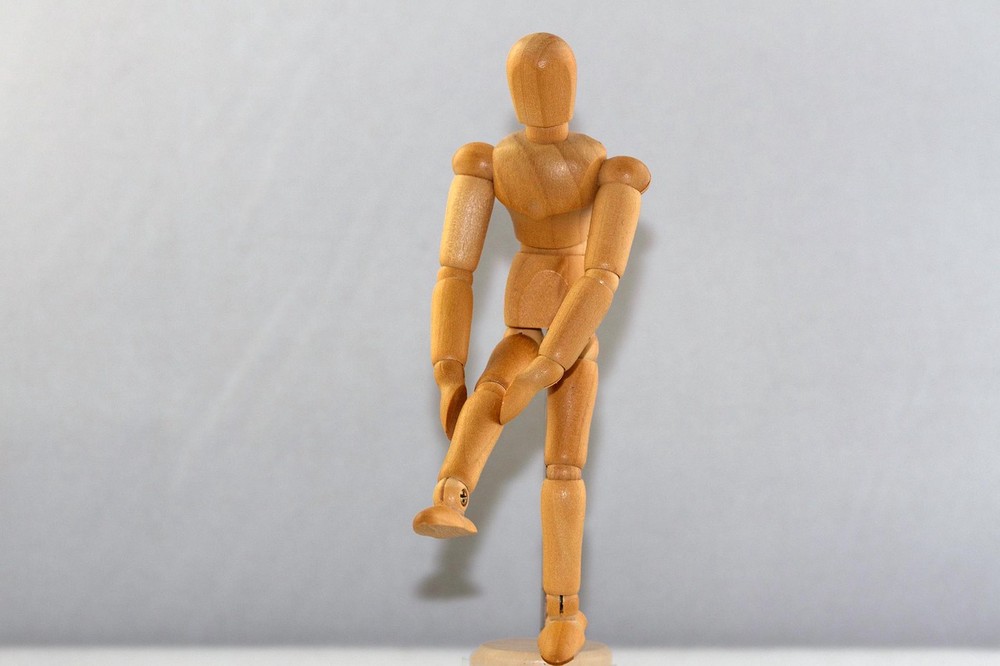
Hold onto a wall or chair. Swing one leg forward and backward in a controlled pendulum motion, keeping the torso upright. Start with a small range of motion and gradually increase the height as the hamstring warms up. Do this for 45 seconds per leg. This movement increases blood flow to the ligaments around the knee and teaches the joint to handle momentum safely.
3. Bodyweight squat with a hold (2 minutes)
Stand with feet shoulder-width apart. Lower into a quarter squat and pause for two seconds. Stand up, then repeat. After eight reps, lower into a full squat (as deep as comfortable) and hold for ten seconds. Do two rounds. This wakes up the vastus medialis oblique (VMO), the teardrop-shaped muscle on the inner thigh that is critical for patellar tracking. A weak VMO is one of the most common reasons for knee pain during home workouts.
4. Glute bridges (1.5 minutes)
Lie on your back with knees bent and feet flat on the floor. Drive your hips upward, squeezing the glutes at the top. Lower with control and repeat for fifteen reps. The glutes are the powerhouse of hip extension — if they are asleep, your quadriceps and knees take over, which creates overload at the patellar tendon. A few bridges before leg day remind the glutes to do their share of the work.
5. Lateral band walk or cossack squat (1 minute optional)
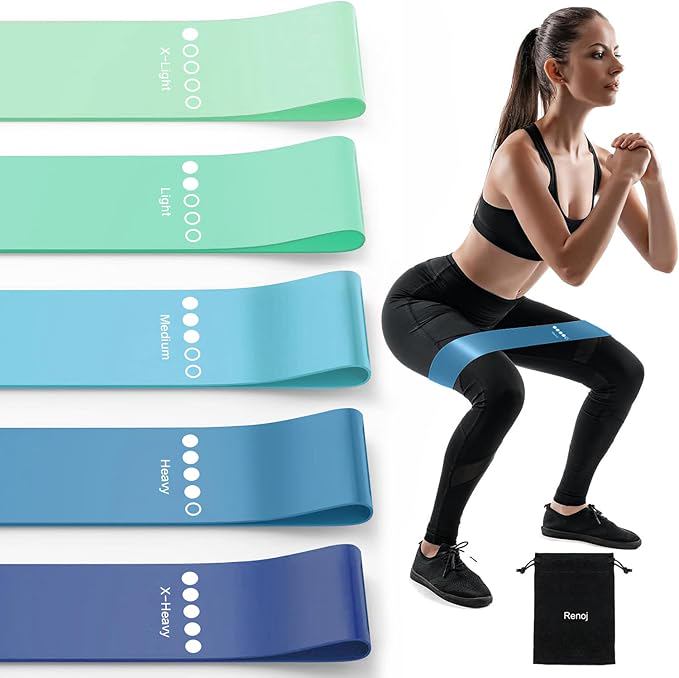
If you have a light resistance band, place it just above your ankles and take small side steps. If you do not have a band, practice a slow cossack squat: step wide to the side, shift your weight onto that leg, and bend the knee while keeping the other leg straight. These lateral movements strengthen the hip abductors, which keep your knees from caving inward during single-leg exercises like lunges and step-ups.
What not to do before a home workout
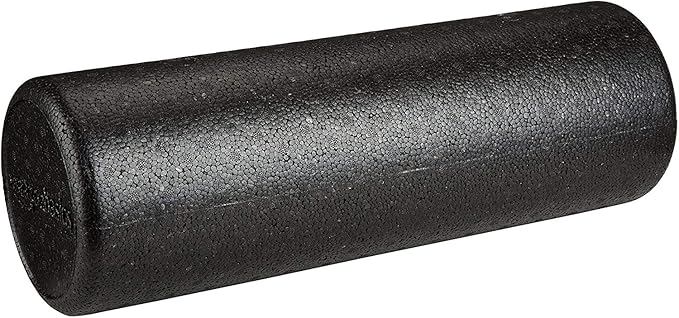
A few common habits do more harm than good. Holding a long static stretch (pulling your heel to your glutes and holding it for thirty seconds) actually reduces muscle power for up to an hour. Also avoid heavy foam rolling directly on the knee joint itself — that compresses the soft tissues and can aggravate the bursa. If you want to use a roller, stay on the quads, hamstrings, and calves only.
Signs your warm-up is working
After this routine, your legs should feel slightly warmer, the knee joints should feel less stiff, and you should notice a small improvement in your range of motion. If you squat down for your first working set and hear a click or feel a pinch, your warm-up may need more hip mobility work or glute activation. The routine above resolves the vast majority of those issues for home exercisers.
A quiet knee is a happy knee. The goal of a warm-up is not to make the joint feel “loose” — it is to make it feel supported by the muscles around it.
Adapt this routine to your workout type
If your home session is strength-focused (squats, deadlifts, lunges), give extra attention to the squat holds and glute bridges. If it is cardio-heavy (jumping jacks, mountain climbers, burpees), extend the leg swings and add the lateral band walk. If it is yoga or Pilates, prioritize the ankle and hip circles, as those positions demand a lot of rotational freedom at the knee.
Protecting your knees at home is not about wrapping them in a brace or avoiding movement altogether. It is about building a simple five-to-eight-minute habit that you do every single time, without exception. Consistency in preparation matters far more than the complexity of the routine itself. Over weeks and months, those few minutes pay the biggest dividend: pain-free workouts that you can actually sustain.