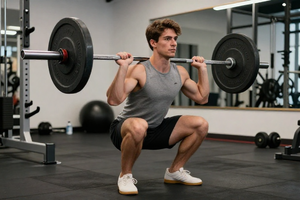

You finished your deadlift session feeling strong. A day later, your lower back is stiff, tight, and letting you know it worked hard. That deep ache in the lumbar muscles is common after heavy pulling—and reaching for a foam roller is often the first instinct. But rolling the wrong spot, or rolling the wrong way, can turn a helpful tool into a source of more pain.
This guide covers how to use foam rolling specifically for post-deadlift lower back soreness. It distills what the research says about tissue recovery, which muscles to target, and how to roll safely when your lower back feels like a knotted rope. The goal is not to diagnose or prescribe, but to help you understand when and how self-myofascial release can fit into your strength-training recovery.
Why foam rolling makes sense after deadlifts
Deadlifts demand a huge output from your posterior chain—erector spinae, glutes, hamstrings, and lats all contribute to a heavy pull. The next-day soreness, often called delayed onset muscle soreness (DOMS), reflects microscopic muscle damage and inflammation. Foam rolling is thought to help by applying pressure that may reduce muscle stiffness, improve blood flow, and temporarily decrease the perception of pain.
A 2015 review in the International Journal of Sports Physical Therapy found that foam rolling can improve range of motion without impairing performance, and may reduce soreness severity after intense exercise. The effects are modest but real—think of foam rolling as one tool in a recovery kit, not a magic bullet.
The crucial rule: avoid rolling directly on the spine
This is the most important safety point for lower back foam rolling. Your spinal vertebrae are bony, vulnerable, and not designed for direct pressure from a roller. Rolling your lower back right over the spine can compress the spinous processes, irritate ligaments, or aggravate discs. Never let the roller press directly against your vertebrae.
Instead, roll on the muscles alongside the spine—the erector spinae and multifidus. These are the muscles that stabilize and extend your back during deadlifts, and they usually carry the brunt of the soreness. Keep the roller off the midline and concentrate on the muscle bellies to either side.
How to foam roll your lower back safely
Here is a step-by-step method for targeting lower back muscles without risking injury:
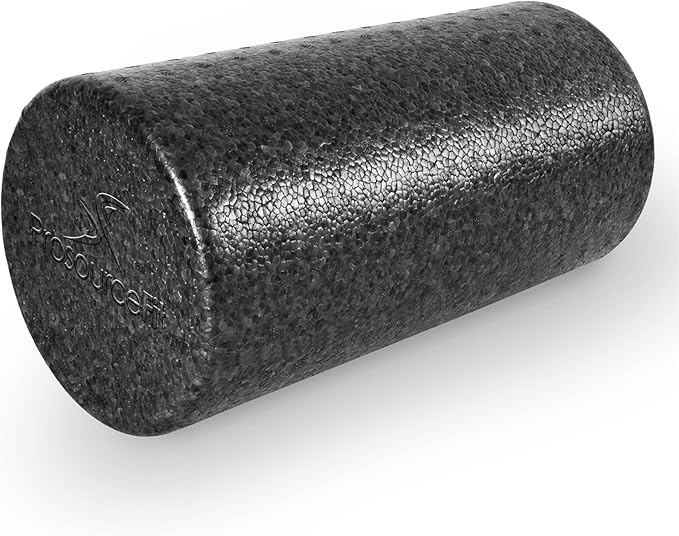
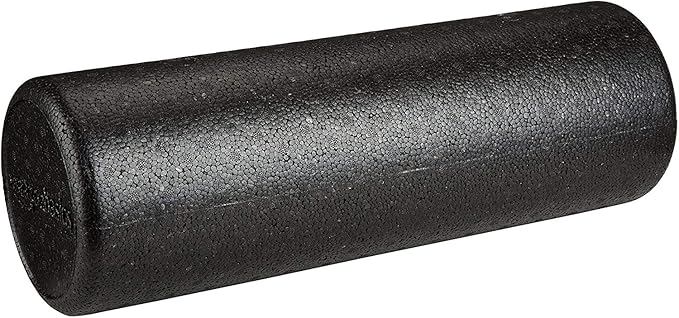
- Position yourself: Lie on your back with the foam roller placed horizontally under your mid-back, not your lower back. Your knees should be bent, feet flat on the floor.
- Lift your hips slightly: Engage your glutes and core to raise your hips a few inches off the floor. This transfers weight onto the roller while keeping your lower spine in a neutral position.
- Shift to one side: Roll slightly to your left so the roller presses into the muscles on the left side of your spine. Keep your shoulders relaxed and your head supported by your hands or a small cushion.
- Roll slowly: Roll from the lower ribcage down toward the top of the pelvis, focusing on any tender spots. Spend about 30–60 seconds on each side. Use short, controlled movements—do not roll aggressively or fast.
- Breathe and relax: When you find a knot, pause and take three slow breaths. The pressure should feel like a deep massage, not sharp pain. If it hurts too much, shift your weight off the roller.
This side-rolling approach keeps pressure off the spine and lets you access the erector spinae on each side independently. If you have a lacrosse ball or a smaller massage ball, you can use it the same way, but with more precision.
A good rule of thumb: if the pain makes you hold your breath, you’re pressing too hard. Back off and try gentler pressure.
What to roll instead of your lower back
Sometimes, lower back soreness after deadlifts is actually referred tension from muscles nearby. Aggressively rolling your already-tender low back can backfire. A better approach is to mobilize the muscles that pull on your pelvis and spine. The main suspects:
- Glutes: Your gluteus maximus and deep hip rotators help extend your hips during deadlifts. Tight glutes can tug on your pelvis and increase low-back strain. Roll each glute by sitting on the roller, crossing one ankle over the opposite knee, and leaning into the side with the crossed leg.
- Thoracic spine (mid-back): Limited mobility in your upper back forces your lower back to compensate. Place the roller horizontally under your shoulder blades, clasp your hands behind your head, and gently extend your spine over the roller. This opens the chest and mobilizes the T-spine.
- Hamstrings: Tight hamstrings pull on the ischial tuberosities (sits bones) and tilt the pelvis posteriorly, which can increase lower back tension. Roll each hamstring by sitting with the roller under one thigh, supporting your weight on your hands, and rolling from the knee toward the glute.
If your lower back feels especially sore, try working these areas first. Often, releasing the glutes and hamstrings will decrease the sensation of tightness in your lumbar region.
When not to foam roll your lower back
Foam rolling is not safe for everyone. You should avoid direct pressure on the lower back—or skip foam rolling entirely—if you have:
- Acute lower back injury (recent strain, spasm, or disc issue)
- Known herniated or bulging discs
- Spinal fractures, osteoporosis, or arthritis of the spine
- Numbness, tingling, or radiating pain down one leg (sciatica)
- Inflammation from an infection or autoimmune condition
If any of these apply, consult a physical therapist or doctor before using a foam roller. A session that feels helpful to one person can worsen an underlying issue for another.
Practical tips for integrating foam rolling into your deadlift recovery
Here are a few final pointers to make foam rolling work for you, not against you:
- Use it after training, not before: Foam rolling before deadlifts can temporarily reduce muscle stiffness, which may help warm up, but for soreness relief, the post-workout window is when your muscles are most receptive to relaxation.
- Keep sessions short: Two to three minutes total on your lower back muscles (spread across both sides) is enough. More is not better—excessive rolling can cause bruising or increase inflammation.
- Hydrate and move gently: Foam rolling releases pressure on fascia and muscle tissue. Drink water afterward and take a short walk to encourage circulation and flush metabolic waste.
- Combine with light stretching: After rolling, try a gentle knee-to-chest stretch or a child’s pose. This extends the benefits of the roller session.
Foam rolling for lower back soreness after deadlifts is about precision and patience, not brute force. Focus on the muscles next to the spine, don’t neglect the glutes and hamstrings, and listen to your body’s feedback. Used sensibly, a foam roller can be a reliable piece of your recovery routine—but it’s only one part of the larger picture of rest, nutrition, and smart programming.