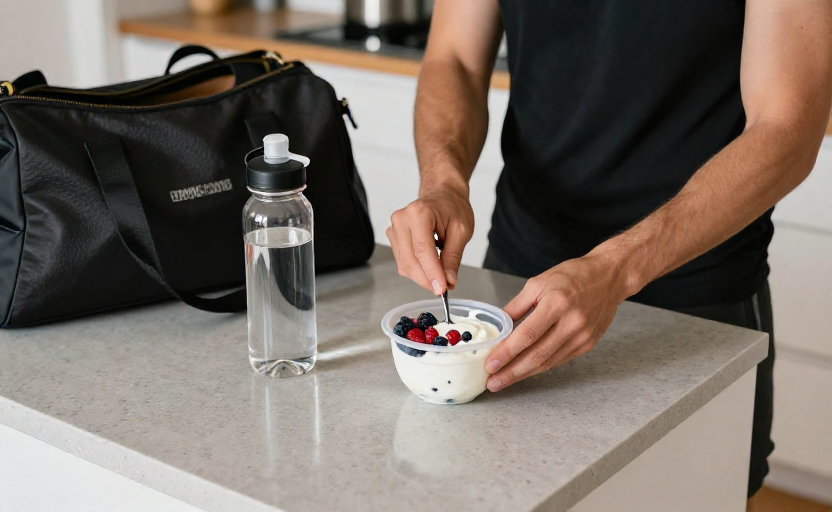
You just finished a tough session. Your muscles feel fatigued, and the hard work of breaking down tissue is done. Now, what you eat—and when—can either maximize or squander the repair process. Recovery isn't passive; it's an active window where your body is primed to use nutrients for rebuilding. Getting the timing right doesn't have to be complicated, but it does require some planning.
Why the clock matters after strength training
During resistance training, you create micro-tears in muscle fibers. Your body responds by initiating repair and growth, a process that demands energy and raw materials—namely protein and carbohydrates. Research suggests there's a heightened sensitivity to nutrients in the first few hours after exercise. this is often called the anabolic window, though it's less a rigid hour and more a flexible period of opportunity. Delaying intake by several hours can blunt the muscle protein synthesis (MPS) response, meaning you might not get the full benefit from your workout.
Think of it this way: if you don't provide building blocks soon after the workout, your body will start breaking down existing muscle tissue for fuel, which is the opposite of what you want. The goal is to shift the balance from catabolism (breakdown) to anabolism (building up). Consuming a balanced snack within one to two hours of finishing your last rep is a solid benchmark for most people.
What your post-lift snack should include
Two macronutrients take center stage here:
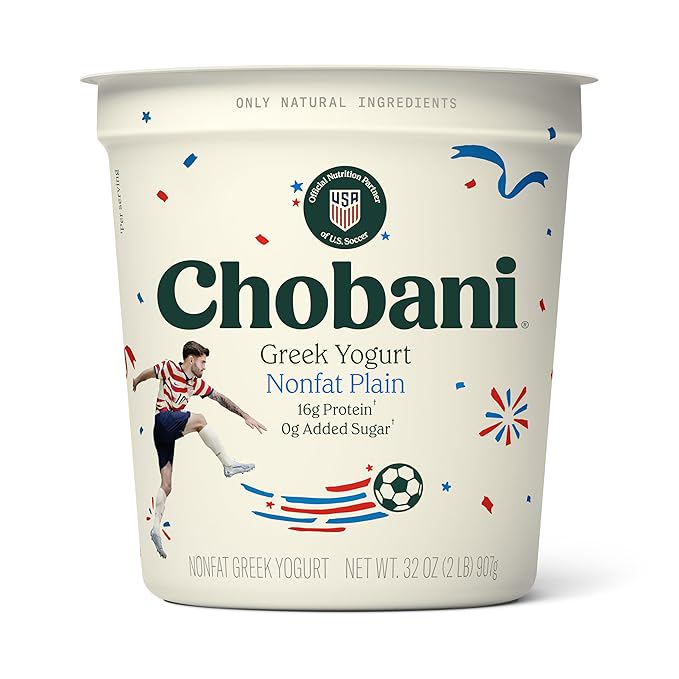
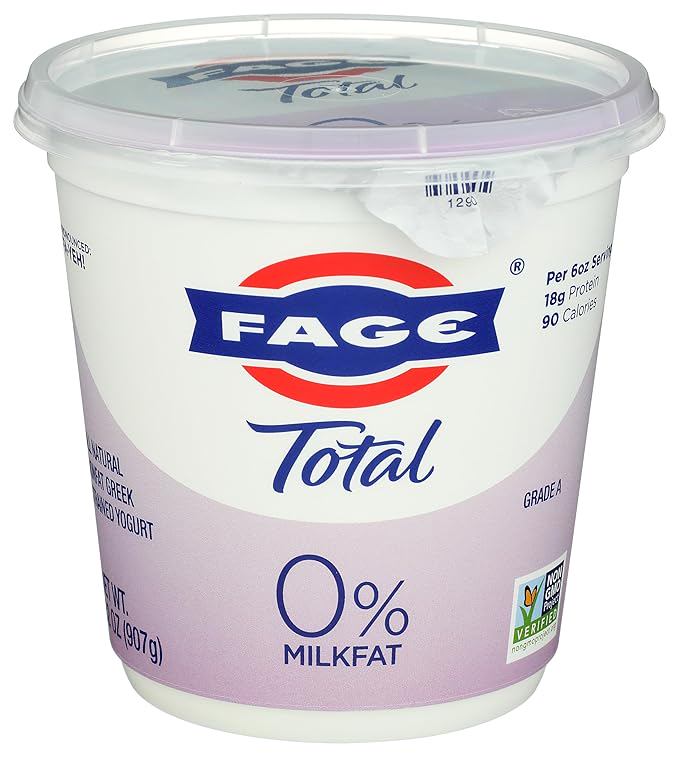
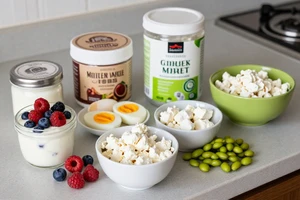
- Protein: The key driver of muscle repair. Aim for a source rich in leucine, an amino acid that directly triggers MPS. Whey, eggs, chicken, fish, soy, and Greek yogurt are all excellent choices. About 20 to 40 grams of protein per serving is a common recommendation for most individuals, but exact needs depend on your body weight and workout intensity.
- Carbohydrates: They replenish glycogen—the stored glucose your muscles burned during lifting. Carbs also stimulate insulin release, which helps shuttle amino acids into muscle cells. Good options include fruit, white rice, potatoes, oats, or a simple sports drink if you trained intensely.
Fats are less critical immediately post-workout because they slow digestion. That doesn't mean avoid them entirely, but if you're trying to time quickly, keeping the total fat moderate in the immediate window can help with absorption speed.
Practical snack combos for real life
Not everyone has time for a sit-down meal right after lifting. Here are flexible, portable ideas that hit the marks:
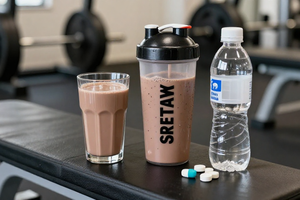
- A scoop of whey or plant protein powder mixed with water or milk, plus a banana
- Greek yogurt (plain) with a handful of berries and a drizzle of honey
- Two hard-boiled eggs and an apple
- A turkey or chicken sandwich on whole-grain bread
- Chocolate milk (yes, it works—good carb-to-protein ratio)
- Hummus with whole-grain crackers or raw veggies
If your next meal is within three hours of your workout, a liquid option like a shake can be quicker and easier to digest.
Does the exact hour really matter?
For most recreational lifters, the precise timing is less critical than ensuring adequate total daily intake of protein and calories. A 2020 review in the Journal of the International Society of Sports Nutrition concluded that total daily protein consumption is the primary driver of muscle growth. However, the same review notes that distributing protein evenly throughout the day—including a dose close to your workout—supports better overall muscle protein synthesis.
So if you can only eat a big lunch three hours after your morning gym session, you're not sabotaging your gains. The real risk is skipping the post-workout window entirely or going for hours without any substantial nutrition. The practical takeaway: prioritize getting a protein-and-carb-rich meal within roughly two hours after you finish.
Water and electrolytes: the unsung partners
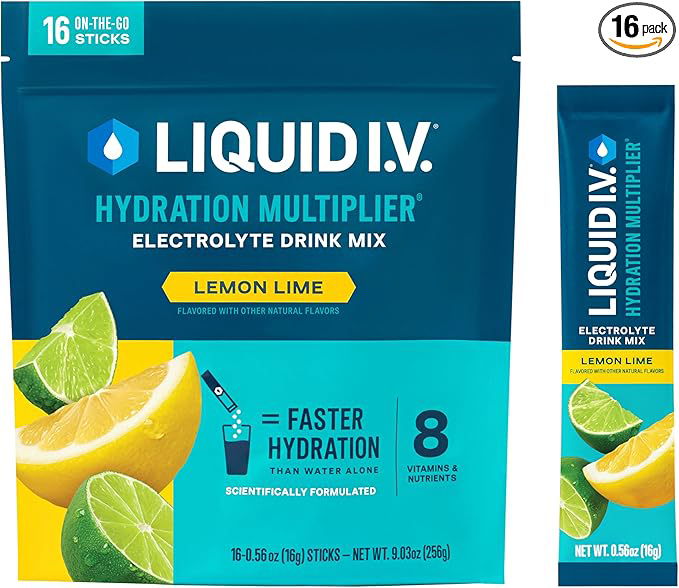
Rehydration is part of recovery, too. You lose fluid through sweat, and even mild dehydration can impair muscle repair. Drink water throughout your workout and continue sipping afterward. If you sweat heavily—especially in hot conditions—consider adding an electrolyte source, such as a pinch of salt in your water or a zero-sugar electrolyte tablet. Proper hydration helps nutrient transport and reduces muscle soreness.
Common timing pitfalls to avoid
- Waiting too long: More than three hours post-exercise without significant nourishment may reduce MPS rates.
- Relying solely on fasted training logic: If you trained fasted, your body is even more primed to need immediate fuel—don't delay beyond an hour.
- Overcomplicating the perfect ratio: A 3:1 or 4:1 carb-to-protein ratio is often cited, but whole-food combos that include both will serve you well without needing to count precise grams.
- Ignoring sleep: Even the best post-workout snack won't save recovery if you consistently skimp on sleep. Protein synthesis happens largely during rest.
Putting it together: a simple recovery plan
- Finish your workout and cool down for 5 minutes.
- Drink 16–24 ounces of water (more if you sweat heavily).
- Within 60 minutes, eat a snack containing 20–40g protein and 30–60g carbohydrates (adjust based on appetite and meal timing).
- Eat your next full meal within 2–4 hours of the snack if possible.
- Continue to hydrate throughout the day.
This isn't a rigid prescription—some days your schedule will be different. The core idea is to not let the post-lift hours pass without fueling your body's repair work. A little intentionality in that window goes a long way toward consistent progress and less muscle soreness.