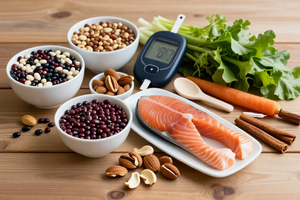
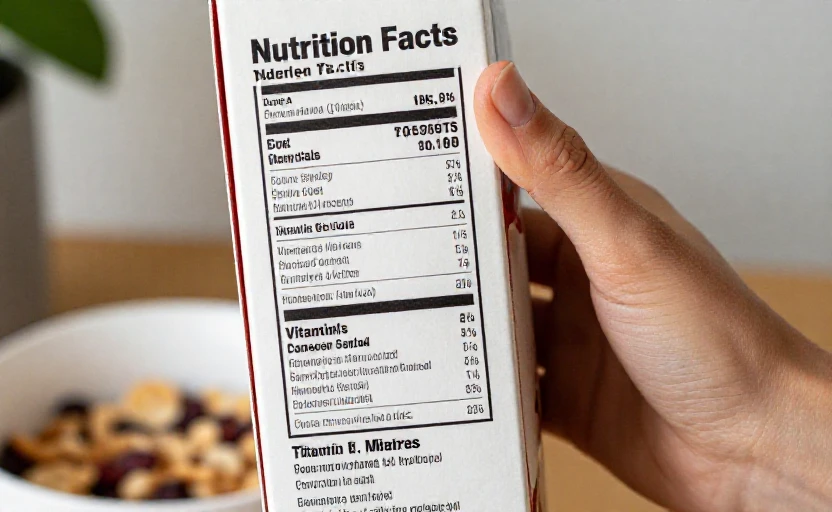
You stand in the grocery aisle, holding two boxes of cereal. One promises "excellent source of vitamins," the other is "fortified with essential nutrients." Which one actually delivers the vitamins you're looking for? The answer isn't in the marketing claims on the front, but in the small print on the side—the Nutrition Facts label and the Supplement Facts panel. Learning to navigate this information is a simple but powerful skill for making informed choices about the vitamins in your food and supplements.
This guide will walk you through the process, step by step, turning label confusion into clarity.
Start with the Serving Size
Every number on a Nutrition Facts label is based on one serving. This is the most critical—and often overlooked—first step. If the serving size is one cup of cereal and you typically eat two cups, you must double all the vitamin and nutrient values listed. A cereal showing 10% of the Daily Value for Vitamin D per serving actually gives you 20% if you consume two servings. Always check this first to understand what you're really getting.
Find the % Daily Value for Vitamins
On a standard food label, vitamins and minerals are listed at the bottom section. You'll see vitamins like Vitamin D, calcium, iron, and potassium listed by default. Others, like Vitamin C or Vitamin A, may appear if the product contains a significant amount.
Next to each vitamin, you'll see a percentage marked as "% Daily Value" (%DV). This number tells you how much one serving contributes to the total recommended daily intake for that nutrient.
A quick rule of thumb: 5% DV or less is considered low, while 20% DV or more is considered high.
This scale helps you gauge a food's contribution at a glance. Aiming for higher %DV in vitamins you want to prioritize (like Vitamin D or fiber) and lower %DV in nutrients you may want to limit (like sodium) is a practical strategy.
Deciphering Vitamin Terminology
Labels use specific, regulated terms. Understanding them prevents you from being misled.
- "Excellent source of," "Rich in," or "High in": The food must contain at least 20% of the Daily Value per serving.
- "Good source of" or "Contains": The food provides 10-19% of the Daily Value per serving.
- "Fortified" or "Enriched": Vitamins or minerals have been added to the product that weren't there originally (like Vitamin D in milk or B vitamins in white flour).
- "More" or "Added": The product contains at least 10% more of the Daily Value than a comparable food.
Remember, "organic" or "natural" tells you nothing about the vitamin content. A "natural" cereal may have far fewer vitamins than a fortified one.
Reading Supplement Facts Labels
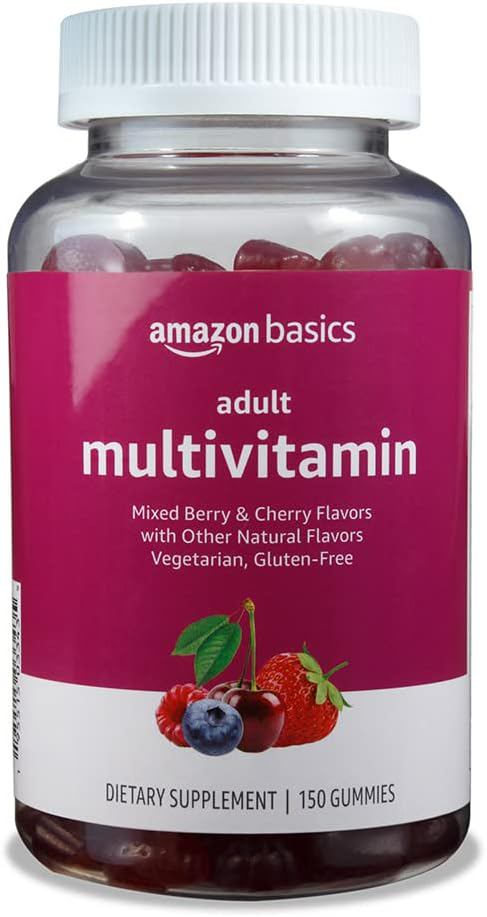
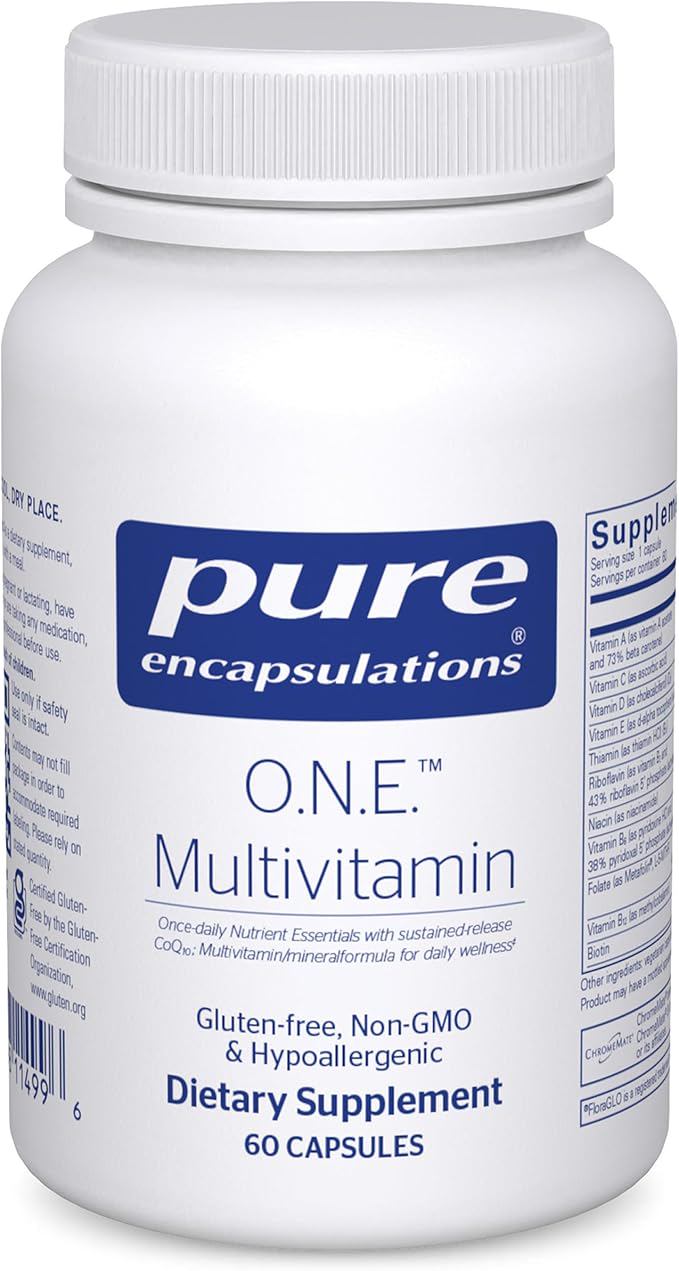
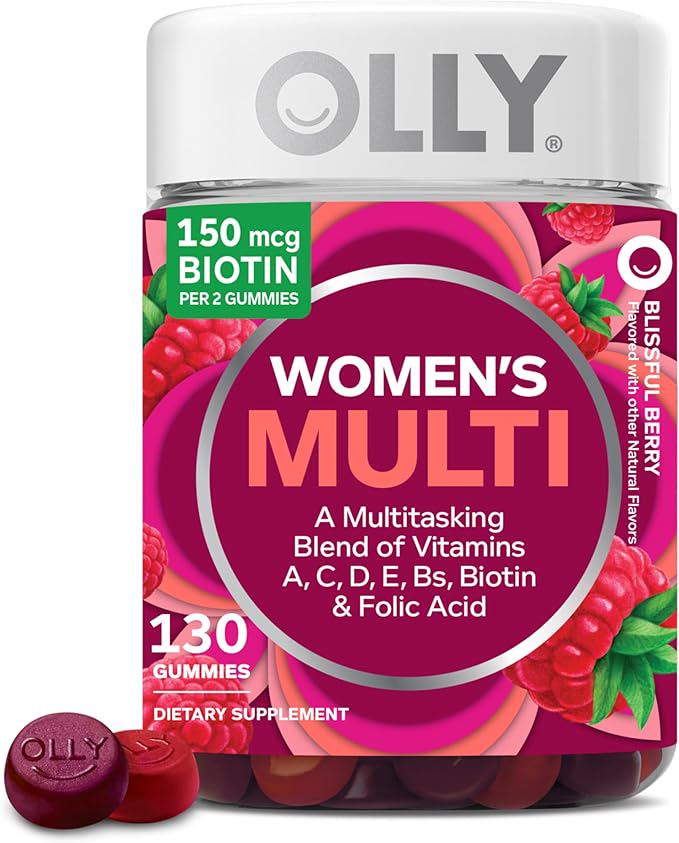
For vitamin pills, powders, or gummies, you'll look at a Supplement Facts panel. It's similar but has key differences.
The serving size is often one capsule or gummy. The %DV can be much higher—sometimes 500% or 1000%—because supplements are concentrated sources. This isn't inherently alarming, as daily values are based on minimum needs to prevent deficiency, not optimal levels. However, it's a reminder that more isn't always better. Pay close attention to the Upper Tolerable Intake Level (UL) for vitamins, which is the maximum daily amount unlikely to cause harm. Fat-soluble vitamins (A, D, E, K) are stored in the body, so consistently exceeding the UL can pose risks.
The ingredient list on supplements is also crucial. Look for the form of the vitamin (e.g., "Vitamin D as cholecalciferol (D3)"), and check for unnecessary fillers, artificial colors, or allergens if you have sensitivities.
Key Vitamins to Look For
While needs vary, some vitamins are commonly under-consumed. When scanning labels, these are often worthwhile to note:
- Vitamin D: Essential for bone health and immune function. Found in fortified dairy, plant milks, cereals, and fatty fish.
- Calcium: Crucial for bones. Check fortified plant milks, juices, tofu (if made with calcium sulfate), and leafy greens (though the amount absorbed varies).
- Iron: Especially important for menstruating individuals. "Heme iron" from meat is more readily absorbed than "non-heme iron" from plants like spinach or fortified grains.
- Potassium: Supports heart and muscle function. Often low in processed foods but present in bananas, potatoes, beans, and dairy.
- Fiber: Not a vitamin, but vital. Aim for foods with a high %DV for fiber to support digestion and heart health.
A Practical Walk-Through
Let's apply this. You pick up a container of almond milk. The front says "High in Calcium and Vitamin D." You turn it over.
- Serving Size: 1 cup (240ml). You typically use one cup in your smoothie.
- % Daily Value: You scan to the bottom. Calcium: 45%. Vitamin D: 25%. Vitamin A: 10%. This confirms the "high in" claims (both are over 20% DV).
- Ingredient List: You see "calcium carbonate" and "vitamin D2" (ergocalciferol) listed, confirming it's fortified. This is useful information if you prefer D3 over D2.
In less than 30 seconds, you've verified the marketing, understood the exact contribution to your daily needs, and seen the form of the added vitamins.
Becoming fluent in label reading takes the mystery out of nutrition. It shifts your focus from persuasive packaging to hard data, empowering you to choose foods that genuinely support your well-being. Start with one product on your next shopping trip. Check the serving size, find the %DV for a vitamin you care about, and see what you discover. That small act of attention is the first step toward more mindful, informed nourishment.